
Babesiosis is a serious, tick-borne illness that affects the red blood cells of mammals, including both humans and dogs. In North America, the most common culprits found in canines are Babesia canis and Babesia gibsoni. While often associated with certain breeds like greyhounds and pit bull terriers in the US, any dog can be at risk. This guide aims to provide a thorough understanding of babesiosis, from transmission and symptoms to diagnosis, treatment, and prevention.
How Dogs Contract Babesiosis
The primary mode of transmission for Babesia organisms is through the bite of an infected tick. However, the ways a dog can contract babesiosis extend beyond just tick bites. Some research suggests that infected dogs with open sores in their mouths can transmit the infection to other dogs through bites. Additionally, infected pregnant females have the potential to pass babesiosis to their unborn puppies. In pit bull terriers, Babesia gibsoni infections are more frequently linked to maternal transmission or dog-to-dog bites. Accidental transmission can also occur through tainted blood transfusions.
Recognizing the Symptoms of Babesiosis
Dogs suffering from chronic Babesia infections may not always exhibit visible symptoms. This is a critical point, as even asymptomatic dogs can act as carriers, spreading the disease to other pets or humans. The specific symptoms a dog displays often depend on the particular type of Babesia that has infected them. Nevertheless, the most common signs of acute Babesiosis include:
- Weakness: A general lack of energy and lethargy.
- Jaundice: A yellowish discoloration of the skin, gums, and whites of the eyes, indicating liver issues.
- Fever: An elevated body temperature.
- Dark Red or Orange Urine: This is a significant sign that red blood cells are being destroyed and hemoglobin is being excreted.
Diagnosing Babesiosis in Dogs
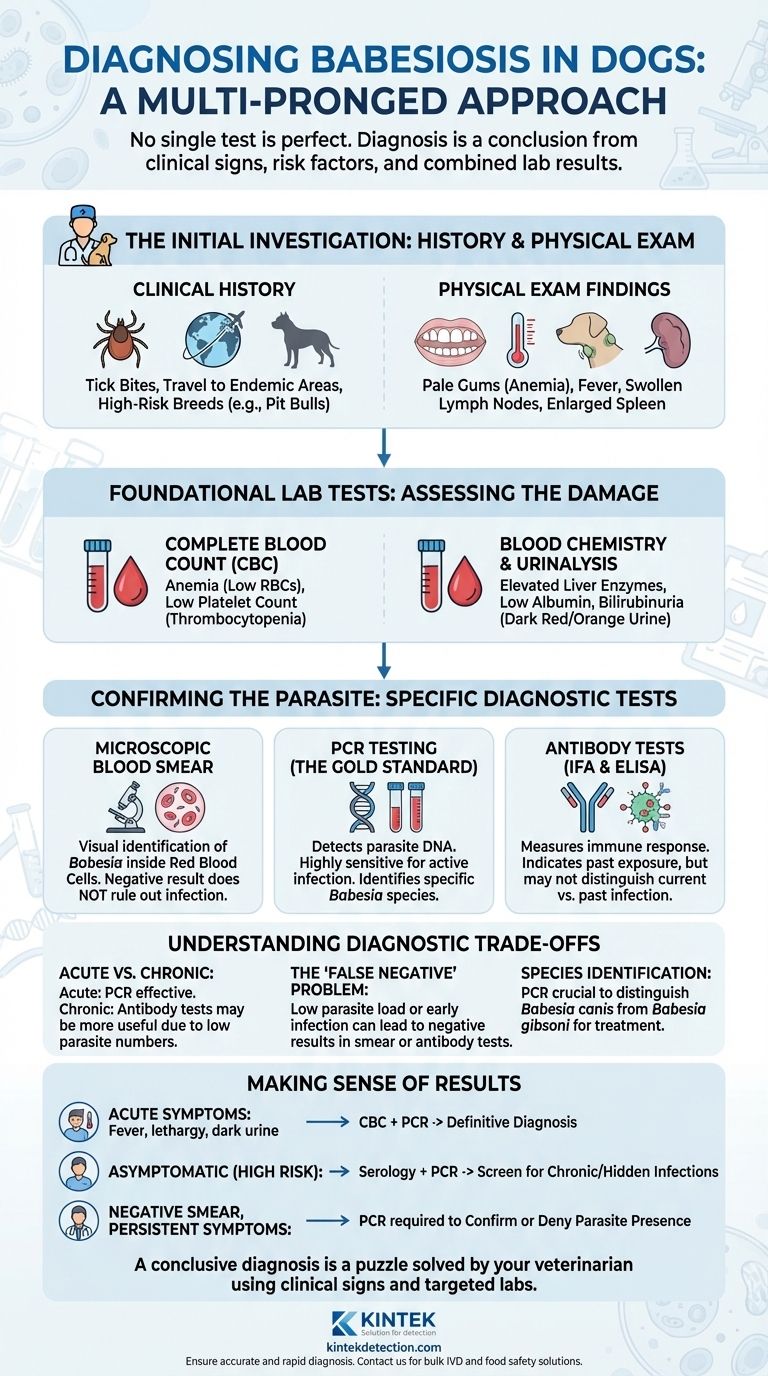
When you suspect your dog might have babesiosis, a veterinarian will begin with a thorough physical examination. They will look for tell-tale signs such as swollen lymph nodes, pale mucous membranes (indicating anemia), and an enlarged spleen. If babesiosis is suspected, your vet may recommend a series of diagnostic tests. These can include blood and urine tests to detect signs of anemia, a low platelet count, low albumin levels, or the presence of bilirubinuria (bilirubin in the urine).
Often, the Babesia organisms themselves can be identified by examining a simple blood smear under a microscope. However, other diagnostic methods may be employed, including fluorescent antibody staining, indirect immunofluorescence assays (IFAT), ELISA tests, and Polymerase Chain Reaction (PCR) testing. PCR testing, specifically for Babesia DNA, is highly recommended as it helps the veterinarian distinguish between different types of Babesia organisms infecting your dog. This information is invaluable because infections caused by different species require distinct medications for effective treatment.
Treatment Strategies for Canine Babesiosis
The treatment for babesiosis in dogs typically involves a comprehensive, three-pronged approach:
- Antiprotozoal Medications: Your veterinarian may prescribe medications designed to help eliminate the parasite from your dog’s system.
- Blood Transfusions: If your dog is suffering from severe anemia due to the destruction of red blood cells, blood transfusions may be necessary to replenish their blood supply.
- Supportive Care: This focuses on managing and treating the complications or side effects of the disease. This could include oxygen therapy for respiratory issues or anti-nausea medication to prevent vomiting.
Specific medications like Imidocarb dipropionate injections are sometimes used, depending on the identified Babesia species. For Babesia gibsoni infections, a combination of atovaquone (an antimicrobial medication) and azithromycin (an antibiotic) might be prescribed.
Prognosis for Dogs with Babesiosis
Unfortunately, by the time most cases of babesiosis are diagnosed, the disease has often progressed significantly. The recovery outcome for your dog will largely depend on which of their body systems have been affected by the infection and the severity of the side effects. Consequently, the overall prognosis is generally considered guarded. Dogs that survive an initial Babesia infection may continue to carry the parasite asymptomatically for extended periods, leaving them susceptible to relapses. Even in a chronic (symptom-free or low-symptom) state, these dogs can still transmit the disease to other animals.
Preventing Babesiosis in Your Dog
Given the potential expense and seriousness of treating babesiosis, prevention is paramount. The most effective way to prevent babesiosis and a range of other tick-borne diseases is to keep your dog on year-round tick prevention medication. Regular and thorough daily checks of your dog for ticks are also crucial. Prompt and correct removal of any found parasites can be an effective preventive measure, as it generally takes a minimum of 48 hours for the Babesia transmission to occur after a tick begins feeding.
At Germantown Parkway Animal Hospital in Cordova, our comprehensive Wellness Plans include essential parasite protection against ticks and fleas, alongside numerous other annual wellness services. You can find out more about our Wellness Plans here.
If you suspect your dog may be suffering from a Babesia infection, please do not hesitate to contact us at Germantown Parkway Animal Hospital in Cordova to book an urgent appointment for your dog. Early diagnosis and prompt treatment of Babesiosis can significantly help in preventing the development of severe complications.
Disclaimer: The advice provided in this post is intended for informational purposes only and does not constitute medical advice regarding pets. For an accurate diagnosis of your pet’s condition, please make an appointment with your veterinarian.