
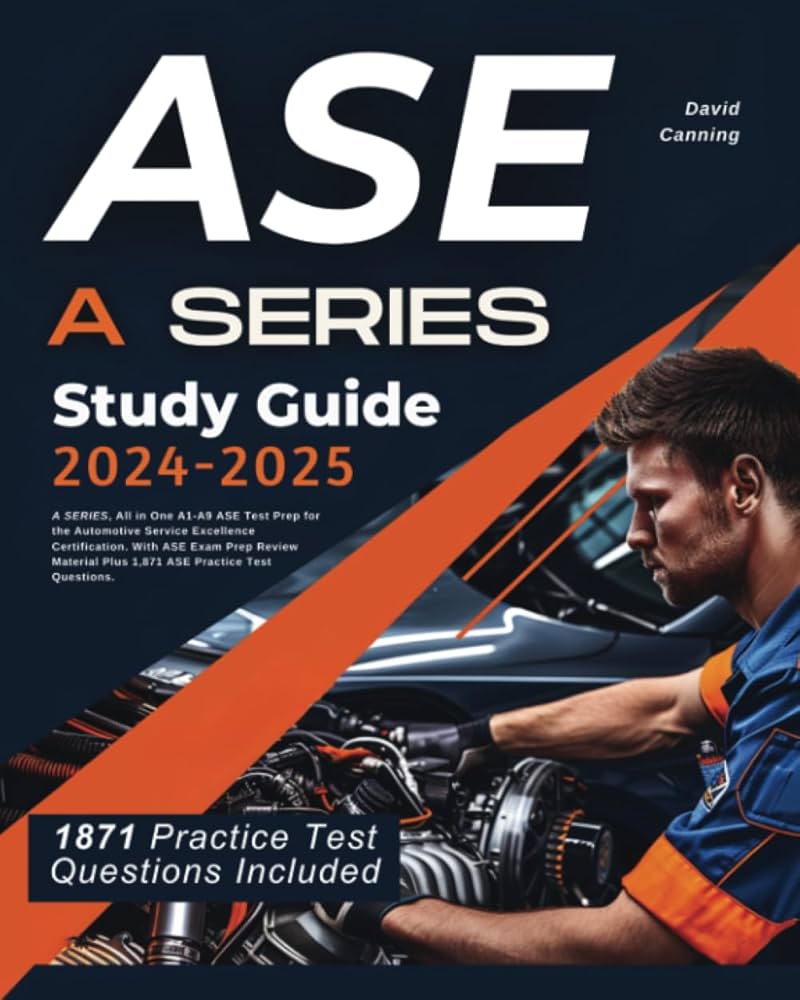
For individuals with a passion for mechanics and a desire for a hands-on career, the field of automotive technology offers a rewarding path. This program, aligned with the Automotive Service Excellence (ASE) curriculum, provides comprehensive training for aspiring technicians, equipping them with the skills necessary to excel in maintenance and light repair. Through a blend of theoretical knowledge and practical, real-world application, students are prepared for entry-level positions in a dynamic and essential industry.
The curriculum delves into a wide array of critical automotive systems. Expert instructors guide students through the intricacies of electrical and electronic systems, engine performance and repair, steering and suspension, and braking systems. Furthermore, the program covers drivetrain and axle components, transmissions, and the heating, ventilation, and air conditioning (HVAC) systems that are vital for driver comfort and vehicle functionality. This all-encompassing approach ensures graduates possess a broad and deep understanding of modern vehicle mechanics.
Program Objectives and Skill Development
Graduates of this program are not only technically proficient but also prepared for the professional world. A key objective is the development of a job-seeking portfolio, coupled with active engagement in job-seeking activities, ensuring a smooth transition into the workforce. Students will gain the ability to efficiently navigate and access crucial information within the automotive industry, including online vehicle repair resources.
Safety is paramount in automotive repair. Therefore, a core objective is to ensure graduates can work safely in a shop environment and proficiently use all necessary automotive tools. This extends to the diagnosis and safe repair of lighting, electrical, and various safety systems. The program emphasizes a meticulous approach to diagnosing and maintaining engine performance systems, encompassing ignition, fuel, exhaust, and emission controls.
Maintenance of automatic and manual transmissions, clutches, drive axles, and universal joints are thoroughly covered. Graduates will be competent in diagnosing and safely performing light repairs on suspension, steering, and tire/wheel systems. Similarly, the program provides thorough training in diagnosing and safely repairing brake systems, including disc and drum brakes, power boosters, and anti-lock electronics, as well as understanding hydraulic operations.
Further objectives include the successful diagnosis and safe maintenance of the drivetrain, clutch, manual transmission/transaxle, and four-wheel-drive systems. Graduates will also be adept at diagnosing and safely maintaining automatic transmissions/transaxles and their associated drivetrains. Finally, the program ensures proficiency in diagnosing and safely maintaining HVAC systems, a crucial component for vehicle comfort and performance.
Essential Attributes for Success
To thrive in this demanding yet fulfilling field, students must possess certain inherent qualities. A high level of motivation is essential, driving the dedication required to master complex systems. A natural aptitude for both mechanical and electrical concepts is highly beneficial, allowing for a quicker grasp of the material. Manual dexterity is also a key requirement, as much of the work involves intricate tasks and the manipulation of tools and components. The program itself incorporates a blend of learning methods, including reading, writing, and computer-based assignments, to cater to diverse learning styles. Practical lab activities will challenge students physically, requiring them to work in various physical positions and, at times, engage in heavy lifting, mirroring the realities of the profession.
The Road Ahead: Career Opportunities
Upon successful completion of this program, graduates will be well-positioned to embark on a career as entry-level automotive technicians. The demand for skilled professionals in the automotive repair industry remains consistently high, driven by the increasing complexity of modern vehicles and the ongoing need for maintenance and repair services. This ASE-aligned curriculum provides a strong foundation, making graduates valuable assets to repair shops and service centers. The skills and knowledge acquired are transferable across a wide range of automotive environments, offering a stable and promising career trajectory.