
Every dog owner wants the best for their furry companion — but when it comes to food, the price tag can be a sticking point. It’s tempting to reach for the most affordable bag on the shelf, especially when costs add up quickly. However, understanding the real cost of dog food means looking beyond the checkout price and considering what those dollars actually buy for your dog’s long-term health and wellbeing. The quality of ingredients in your dog’s bowl today has a direct impact on their vitality, energy, and lifespan tomorrow.
You Get What You Pay For
When comparing budget and premium dog foods side by side, the ingredient lists tell very different stories. Higher-priced dog foods are typically packed with essential proteins, healthy fats, vitamins, and minerals — nutrients that are more expensive to source but far more beneficial to your dog’s body.
Cheaper alternatives, on the other hand, tend to rely heavily on grains, corn meal, and other fillers that serve primarily as low-cost bulk. While these ingredients aren’t always harmful in moderation, some evidence suggests that diets high in grain-based fillers can contribute to earlier health deterioration and a shortened lifespan in dogs. When you invest in quality food, you’re investing in fewer vet visits, better coat condition, healthier digestion, and more energy throughout your dog’s life.

Formulating High-Quality Dog Food Requires Real Expertise
Unlike human meals, dog food formulation is a complex science. A well-balanced recipe must meet specific nutritional thresholds across protein, fat, carbohydrates, vitamins, and minerals — and those requirements vary significantly depending on your dog’s life stage.
Puppies need protein- and fat-rich diets to support rapid growth and development. Adult dogs thrive on balanced formulations that maintain optimal body condition and support organ function. Senior dogs may require specialized recipes that address joint health, cognitive support, and age-related metabolic changes.
Beyond life stage, quality dog food should include high-quality, easily digestible protein sources such as named meats like chicken, beef, or salmon — not vague “meat by-products.” It should also contain appropriate levels of omega-3 and omega-6 fatty acids for skin and coat health, as well as limited artificial additives and preservatives. Developing recipes that meet all these standards requires the expertise of veterinary nutritionists and food scientists, and that expertise comes at a cost that is reflected in the price of premium products.
Ingredients in Dog Food You Should Avoid
Reading the label on your dog’s food bag is one of the most powerful things you can do as a pet owner. There are several common ingredients that should raise red flags.
Artificial preservatives like BHA (butylated hydroxyanisole) and BHT (butylated hydroxytoluene) have been linked to potential health concerns and are best avoided. Corn syrup and high-sugar additives can contribute to obesity and dental disease. Artificial colors and flavors add nothing nutritionally and may trigger sensitivities or allergic reactions in some dogs.
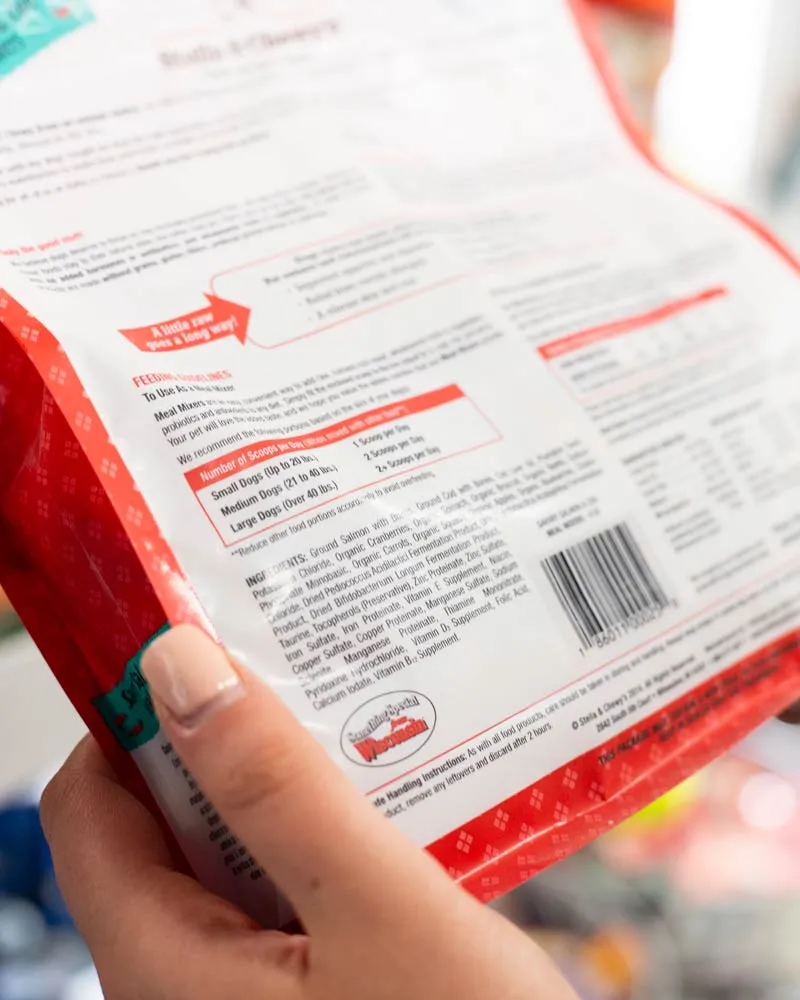
Generic rendered fat and unnamed meat by-products are also worth watching out for. These terms can mask low-quality animal parts with poor nutritional value. Similarly, grains like wheat and soy — while not universally harmful — can be difficult for certain dogs to digest and may cause ongoing gastrointestinal issues or skin sensitivities. Excessive sodium is another concern, as it can contribute to heart disease and elevated blood pressure over time.
When in doubt, a shorter, more recognizable ingredient list is usually a good sign. The first few ingredients listed make up the bulk of the formula, so named meat proteins should appear at the top.
Understanding the Annual Cost of Dog Food
The financial commitment to feeding your dog well is real, and it helps to plan ahead. Costs vary based on your dog’s size, breed, age, and whether you feed kibble, wet food, or raw. That said, here’s a general breakdown to set expectations.
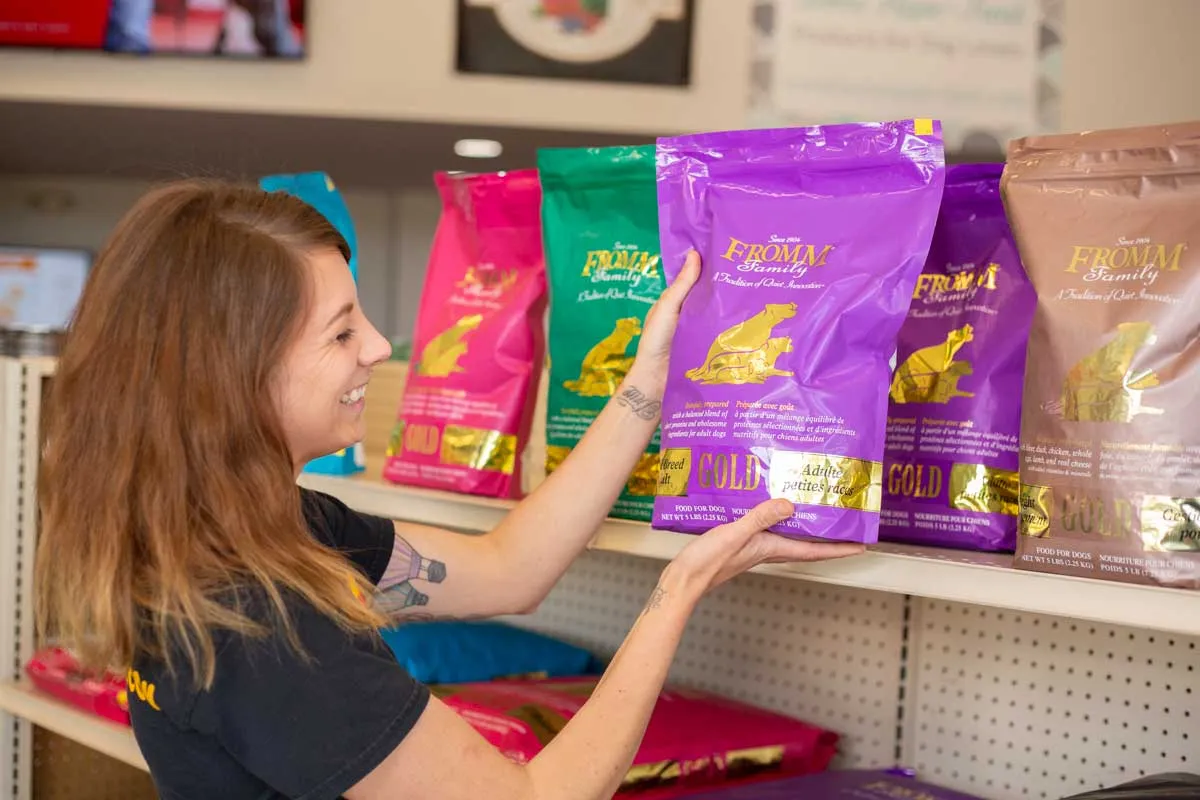
A typical budget-friendly dog food costs between $30 and $75 per bag. At an average monthly spend of around $50, you’re looking at roughly $600 per year. Premium quality dog food, however, generally ranges from $150 to $300 per bag, with average monthly costs of around $225 — adding up to approximately $2,700 annually.
That gap of roughly $2,100 per year sounds significant, but consider the alternative: frequent vet visits for diet-related conditions, medications for preventable health issues, and the emotional toll of watching a pet struggle with poor health earlier in life. Many dog owners who make the switch to higher-quality food report improvements in their dog’s coat, digestion, energy levels, and even behavior within just a few weeks.
Making the Right Investment for Your Dog
A dog’s diet is the foundation of their overall health. Just as humans who eat nutrient-dense, whole foods tend to be healthier than those who rely on processed alternatives, dogs fed high-quality food are more likely to live longer, more vibrant lives.
Choosing the right food doesn’t have to be overwhelming. Start by reading ingredient labels carefully, looking for named protein sources at the top of the list, and avoiding products that rely on fillers, by-products, or artificial additives. If you’re unsure where to begin, speaking with your veterinarian or a certified pet nutritionist can help you find a formula suited to your dog’s specific age, breed, and health needs.
Feeding your dog well is one of the most meaningful ways to show you care — and in the long run, the investment pays off both in your pet’s quality of life and in avoiding costly health complications down the road. Visit your local pet food retailer or consult with a canine care specialist to explore premium food options that align with your dog’s needs and your budget.
References
- Boulder Holistic Vet — Can Your Pet Eat Grains?
- The Dog Stop® — Choosing the Right Dog Food for Your Pet
- The Dog Stop® — Retail Dog Food Services
- American Kennel Club (AKC) — Nutritional Guidelines for Dogs
- Association of American Feed Control Officials (AAFCO) — Dog Food Nutrient Profiles