
The Vietnam pickup truck market has been on a rollercoaster ride as of mid-2026. Dominated by a handful of powerhouse names — most notably the Ford Ranger — the segment’s surface-level strength has long masked deeper, systemic challenges. For the pickup truck segment to truly reclaim its golden era, product upgrades alone will not suffice. What the market is really waiting for are meaningful policy reforms that can unlock latent demand and reshape the competitive landscape.
A Segment of Contrasts: May 2026 Sales Snapshot
The Vietnamese automotive market in May 2026 recorded mixed signals within the pickup truck segment. Total pickup sales reached 1,907 units, representing a 3.6% month-on-month increase and accounting for 6.4% of total industry market share. On the surface, modest growth — but beneath the numbers lies a story of sharp polarization.
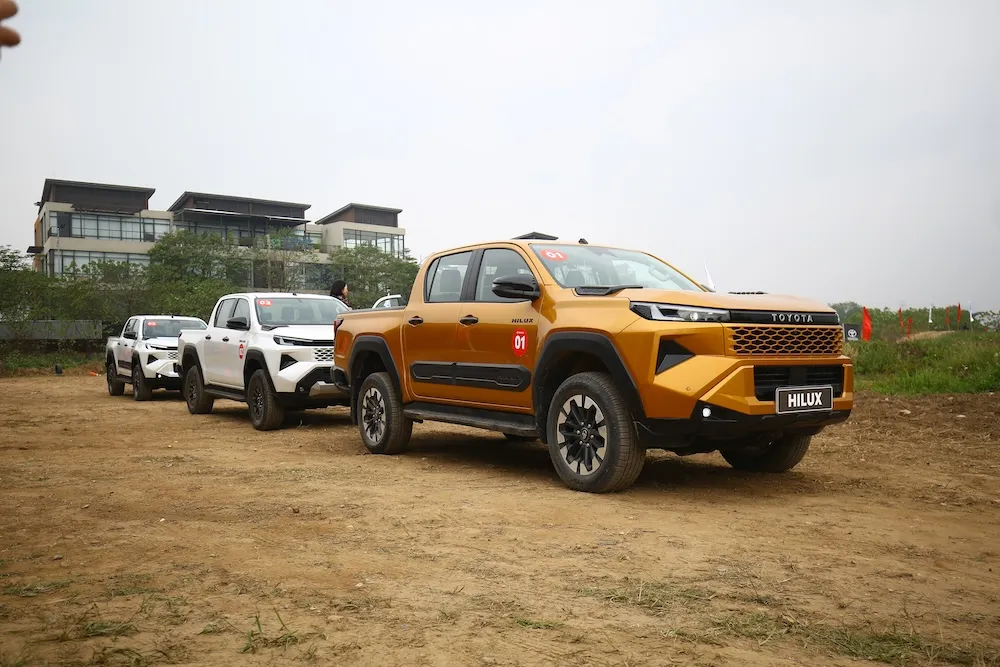
The divergence in sales figures between established players tells a compelling story. Some brands are holding firm or edging upward, while others are losing ground at an accelerating pace. This uneven distribution of market share indicates that the battle for dominance in Vietnam’s pickup segment is far from settled — and that consumer preferences, pricing strategies, and policy environments are all playing decisive roles.
The Ford Ranger Effect: Dominance That Hides Deeper Problems
It would be easy to look at the Vietnamese pickup truck landscape and conclude that everything is fine — after all, the Ford Ranger continues to reign supreme. Yet this very dominance creates a blind spot. When a single model commands such an outsized share of segment sales, it can obscure the struggles facing the broader category.
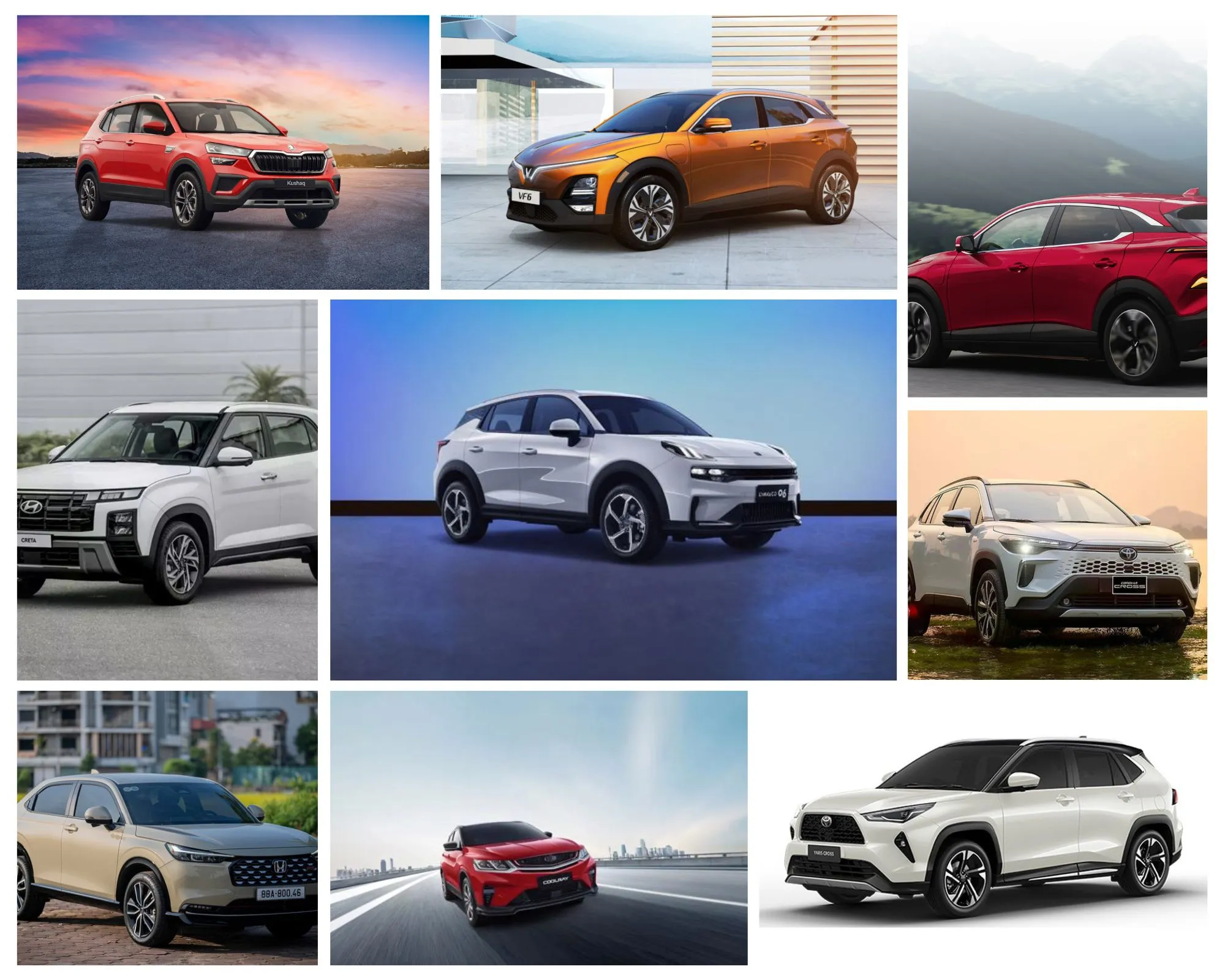
Other pickup contenders — whether from Toyota, Mitsubishi, Isuzu, or newer entrants — are grappling with a combination of factors: relatively high purchase prices driven by import taxes and registration fees, the perception of pickups as purely commercial vehicles rather than lifestyle choices, and a regulatory environment that has not kept pace with shifting consumer demand.
Policy as the Key Unlocking Factor
Perhaps the most significant theme emerging from the pickup truck conversation in Vietnam in 2026 is the role of policy reform. Unlike passenger cars, pickup trucks in Vietnam are classified and taxed differently — a legacy framework that has increasingly become a barrier to broader market growth.
Industry observers and automakers alike are calling for a reevaluation of how pickups are categorized under Vietnam’s tax and registration fee structure. If regulations were adjusted to treat modern double-cab pickups — which function as family vehicles for millions of buyers — more in line with passenger SUVs, the impact on sales volumes could be substantial.
The expectation is not just for tax reduction, but for a more nuanced regulatory framework that recognizes the evolving role of the pickup truck in Vietnamese society: no longer just a workhorse for construction sites and rural farms, but increasingly a lifestyle and adventure vehicle for urban and suburban buyers.
The Broader Market Context: Vietnam’s Auto Industry in Transition
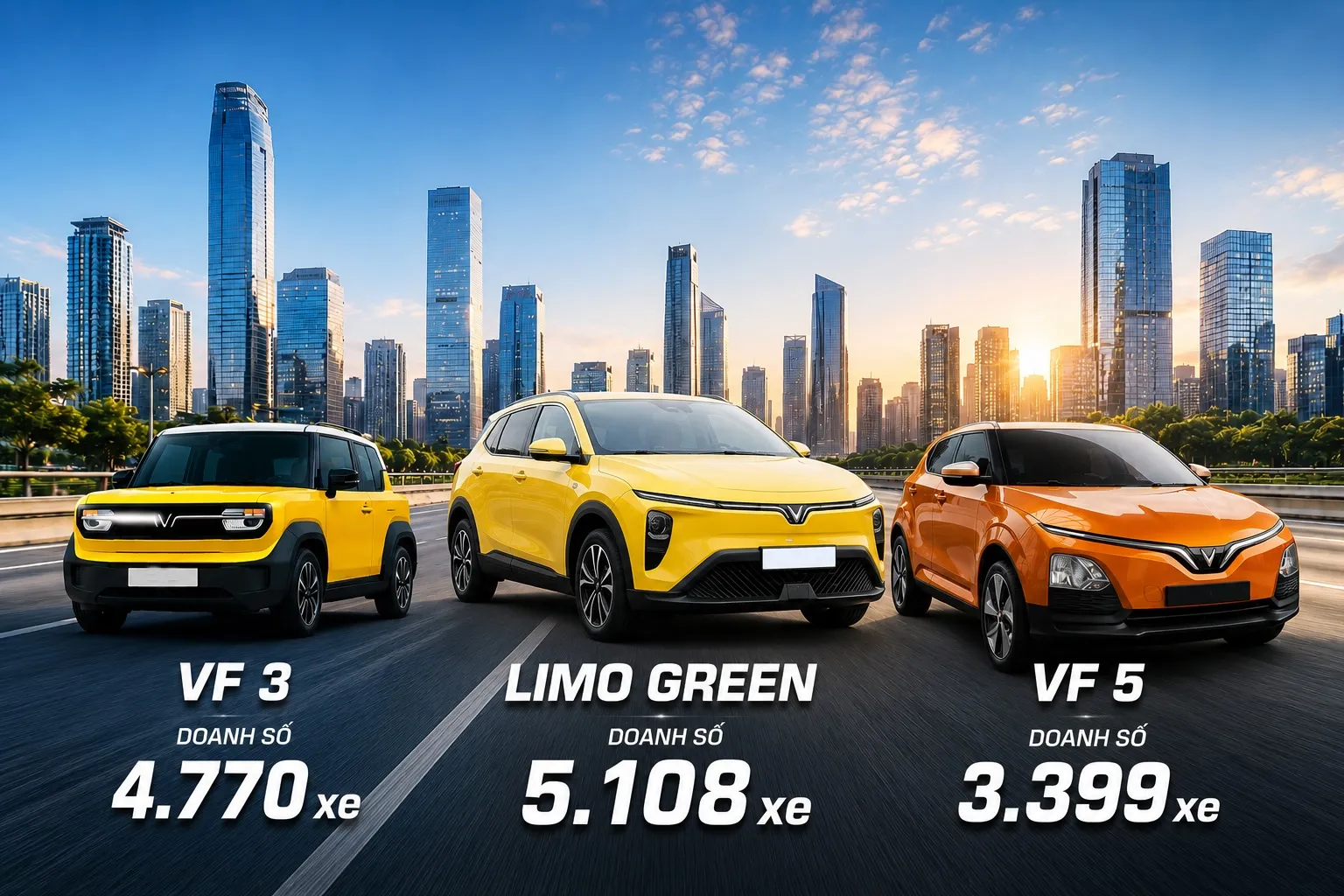
The pickup segment’s challenges do not exist in isolation. The wider Vietnamese automotive market is undergoing rapid structural transformation. Statistical data from recent years points not only to impressive overall growth but also to seismic shifts in segment preferences and buying behavior.
Electric vehicles are consolidating their presence among top-sellers. Hybrid models are gaining traction. The B-segment sedan — once the undisputed king of Vietnamese automotive sales, with names like the Toyota Vios, Hyundai Accent, and Honda City serving as the de facto “family car” for millions of households — is experiencing a notable slowdown. Consumer priorities are shifting toward higher-riding, more versatile vehicles, creating both opportunity and urgency for the pickup segment to reposition itself.
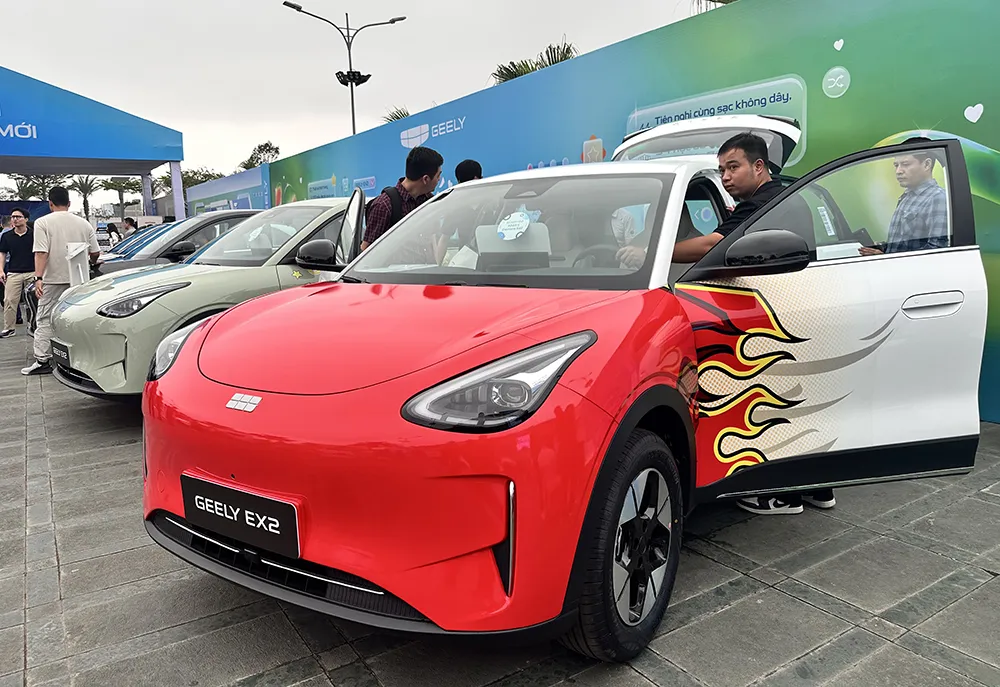 Green engine technology driving the shift toward cleaner powertrains in the Vietnamese automotive sector
In this context, the pickup truck — with its inherent versatility, towing capability, and growing lifestyle appeal — is well positioned to capture a new wave of buyers, provided the right enabling environment is in place.
What Revival Would Look Like
A genuine revival of the Vietnam pickup truck market would require alignment across several fronts. On the product side, manufacturers need to continue investing in cabin quality, advanced safety systems, fuel efficiency, and connectivity features that appeal to a new generation of buyers who expect their trucks to double as family haulers and adventure companions.
On the policy side, a recalibration of special consumption taxes and registration fees specifically applicable to pickup trucks would meaningfully lower the cost of ownership. This is not an unprecedented move — neighboring markets in Southeast Asia have demonstrated that policy adjustments can unlock significant latent demand within the segment.
On the market positioning side, brands need to do a better job communicating the versatility of modern pickups to Vietnamese consumers — highlighting their utility not just for commercial applications but for weekend escapes, active lifestyles, and family road trips.
Conclusion: A Segment at a Crossroads
Vietnam’s pickup truck market stands at an inflection point as of mid-2026. The 1,907 units sold in May represent a segment that is alive but constrained — capable of much more if the conditions are right. The Ford Ranger’s continued dominance is a testament to what a well-executed pickup product can achieve in this market, even under challenging conditions.
The road to revival runs through two parallel tracks: smarter, more consumer-oriented products on one side, and a policy environment that stops penalizing pickup ownership on the other. If both tracks converge, Vietnam’s pickup segment could be on the cusp of its most significant growth phase in years.
For automotive enthusiasts, industry watchers, and prospective buyers alike, the coming months will be telling. Share your thoughts on what it would take for the pickup truck to reclaim its place at the heart of the Vietnamese automotive market — and keep an eye on further coverage of Vietnam’s evolving auto landscape.
References
- Vietnam Automobile Manufacturers’ Association (VAMA). (2026). Monthly sales statistics — May 2026. Retrieved from VAMA official reporting.
- VnEconomy Automotive. (2026, June 16). Vietnam pickup truck market share: Policy unlock expectations and revival opportunities. VnEconomy.
- VnEconomy Automotive. (2026, June 13). Infographic: Vietnam pickup truck market share snapshot — May 2026. VnEconomy.
- VnEconomy Automotive. (2026, June 11). How is Vietnam’s auto market changing? VnEconomy.
- MotorCyclesData. (2026). Global two-wheeler brand rankings, January–April 2026. MotorCyclesData.