
Automotive electrical repair is a critical aspect of modern vehicle maintenance, focusing on diagnosing and fixing issues within your car’s complex network of wires, sensors, and onboard computers. From starting the engine to powering advanced infotainment systems, your vehicle depends heavily on its electrical system to function smoothly.
When something goes wrong, it often feels unpredictable and frustrating. A small fault in one component can quickly affect multiple systems, making professional diagnosis essential.
Understanding Your Car’s Electrical System
To understand automotive electrical repair, it helps to first see your car’s electrical system as a connected ecosystem rather than isolated parts. Like a human nervous system, every component communicates and depends on the others to function properly.
The system is mainly powered by three key components: the battery, alternator, and ECU (Engine Control Unit). When one of these fails, the entire system can become unstable.
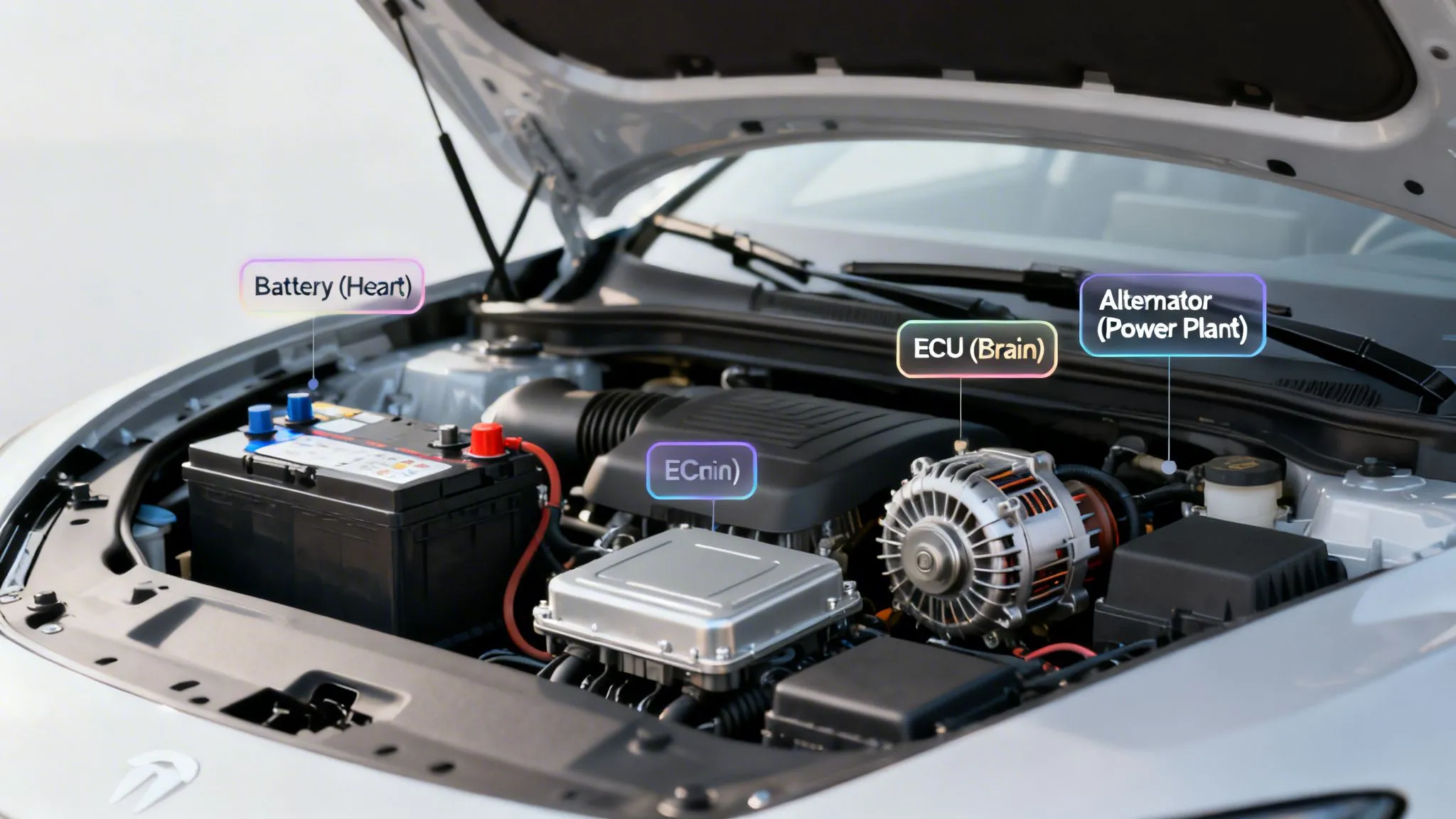
Core Components Explained
Each major part of your electrical system has a specific role:
| Component | Analogy | Function |
|---|---|---|
| Battery | Heart | Supplies initial power to start the engine |
| Alternator | Power Plant | Generates electricity while driving and recharges the battery |
| ECU | Brain | Controls engine timing, fuel injection, and system communication |
The battery provides the initial energy burst needed to start your car. Without it, nothing else activates. The alternator then takes over once the engine is running, supplying continuous power and recharging the battery. Meanwhile, the ECU processes data from sensors and ensures optimal engine performance.
How Electrical Failures Begin
Most electrical problems start small—often unnoticed until they affect drivability. A weak battery, worn wiring, or failing alternator can slowly destabilize the entire system.
When voltage becomes inconsistent, sensitive electronics like fuel injectors or dashboard displays may behave unpredictably. This is why modern automotive electrical repair requires advanced diagnostic tools rather than simple visual inspections.
Warning Signs You Need Electrical Repair
Electrical issues rarely appear without warning. Your vehicle usually gives several early indicators before a complete failure occurs. Recognizing these signs early can prevent expensive repairs or roadside breakdowns.
Common symptoms include slow engine cranking, dimming headlights, and inconsistent accessory performance.
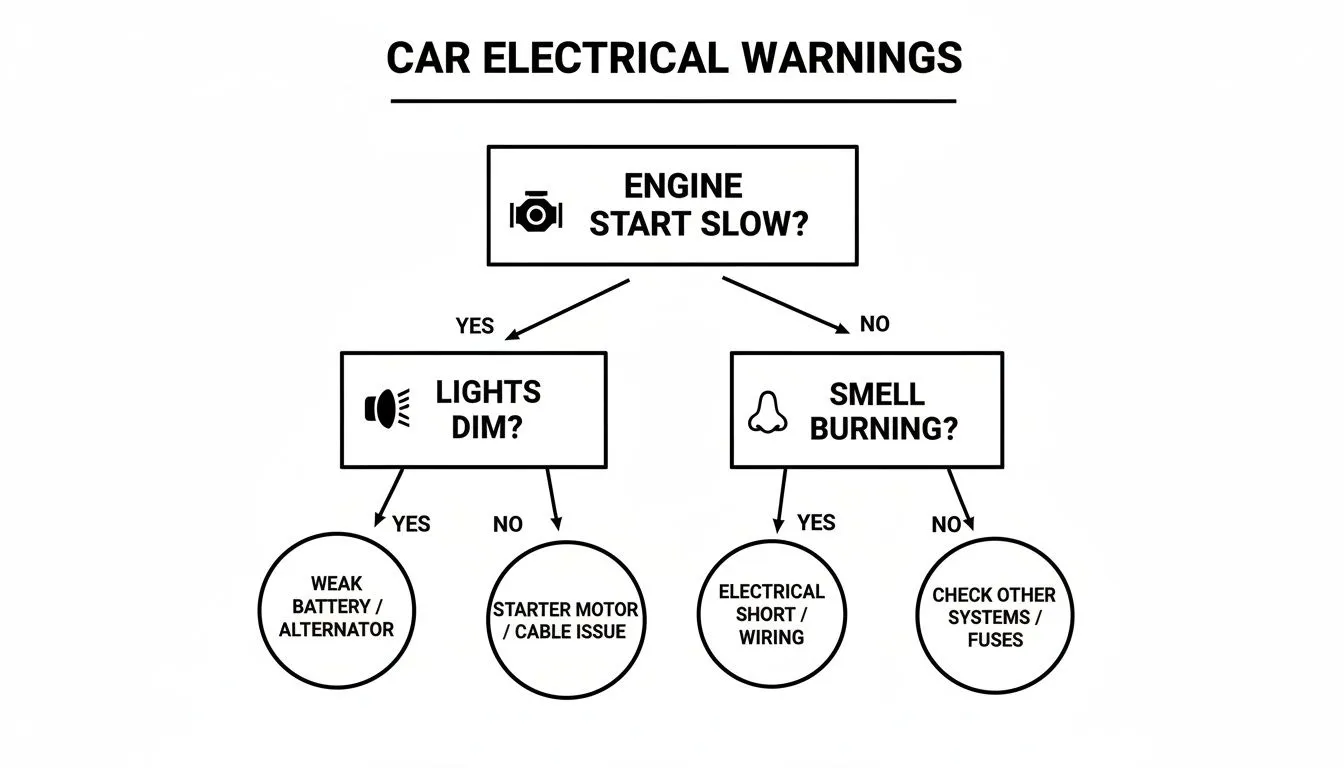
Key Symptoms to Watch For
One of the earliest warning signs is difficulty starting the engine. If you hear clicking sounds or experience slow cranking, the battery is often the first suspect.
Other common indicators include:
- Headlights dimming when using power-heavy accessories
- Power windows or radio operating inconsistently
- Dashboard warning lights flickering unexpectedly
- Burning smell or unusual electrical odors
A burning smell is especially serious, as it may indicate overheating wires or short circuits—both of which require immediate attention.
DIY Electrical Checks You Can Safely Do
While many automotive electrical repair tasks require professionals, there are a few safe inspections you can perform at home.
Start by checking the battery terminals for corrosion. White or green buildup can block electrical flow and cause weak starting power. Cleaning the terminals can sometimes restore normal function immediately.
You should also inspect fuses and visible wiring. A blown fuse or loose connector is often responsible for sudden electrical failures.
However, repeated fuse failures or complex wiring issues should always be handled by a technician, as they often indicate deeper electrical faults.
When to Call a Professional Technician
Modern vehicles are highly computerized, making many electrical problems impossible to diagnose without specialized tools. Professional automotive electrical repair services use advanced scan tools to read fault codes and monitor real-time system data.
Technicians can identify issues such as:
- Faulty alternators or voltage regulators
- Hidden wiring shorts or open circuits
- ECU communication errors
- Parasitic battery drain
These problems often require precise testing methods, including multimeter diagnostics and circuit tracing.
Attempting complex repairs without proper training can lead to further damage or safety risks, especially when dealing with high-current systems.
What to Expect During an Electrical Diagnostic Service
When you bring your vehicle in for electrical diagnostics, the process usually begins with a discussion about symptoms. Technicians then connect a scan tool to retrieve diagnostic trouble codes (DTCs).
These codes help narrow down the system experiencing issues but do not always pinpoint the exact cause. Further testing is required to confirm whether the issue is mechanical, electrical, or software-related.
Technicians may perform:
- Battery load testing
- Alternator output measurement
- Wiring continuity checks
- Parasitic drain testing
This step-by-step approach ensures the root cause is identified before any repairs begin.
Preventive Maintenance for Electrical Systems
Preventing electrical issues is often easier and cheaper than repairing them. Regular maintenance helps extend the lifespan of your vehicle’s components.
Simple habits include:
- Keeping battery terminals clean and secure
- Avoiding unnecessary electrical load from aftermarket devices
- Inspecting wiring during routine servicing
- Ensuring the battery is properly mounted to reduce vibration damage
Overloading your electrical system with high-powered accessories can strain the alternator and reduce overall system stability.
Good preventive care not only improves reliability but also reduces the risk of unexpected breakdowns.
Frequently Asked Questions
What causes most car electrical problems?
Most issues originate from battery failure, alternator malfunction, or wiring damage. These components are essential for maintaining stable voltage throughout the system.
Can a bad battery damage the alternator?
Yes. A weak battery forces the alternator to work harder, increasing heat and wear, which can shorten its lifespan.
Why do my headlights flicker?
Flickering headlights often indicate inconsistent voltage, usually caused by a failing alternator or poor electrical connections.
Is it safe to jump-start modern cars?
Yes, but it must be done carefully. Incorrect procedures can damage sensitive electronic modules like the ECU.
Conclusion
Automotive electrical repair is essential for maintaining the performance, safety, and reliability of modern vehicles. As cars become more advanced, their electrical systems grow increasingly complex, making early diagnosis and preventive maintenance more important than ever.
By understanding the warning signs, performing basic checks, and knowing when to seek professional help, you can avoid costly breakdowns and keep your vehicle running smoothly.
If you’re experiencing electrical issues, don’t ignore the early symptoms—timely action can save both money and stress. Explore more automotive maintenance guides or consult a qualified technician for accurate diagnosis and repair.
References
Bosch Automotive Handbook. (2022). Electrical systems in modern vehicles. Wiley.
Society of Automotive Engineers (SAE). (2023). Vehicle electrical and electronic systems overview. SAE International.
AAA Automotive Research Center. (2023). Common causes of vehicle breakdowns and prevention strategies. American Automobile Association.