
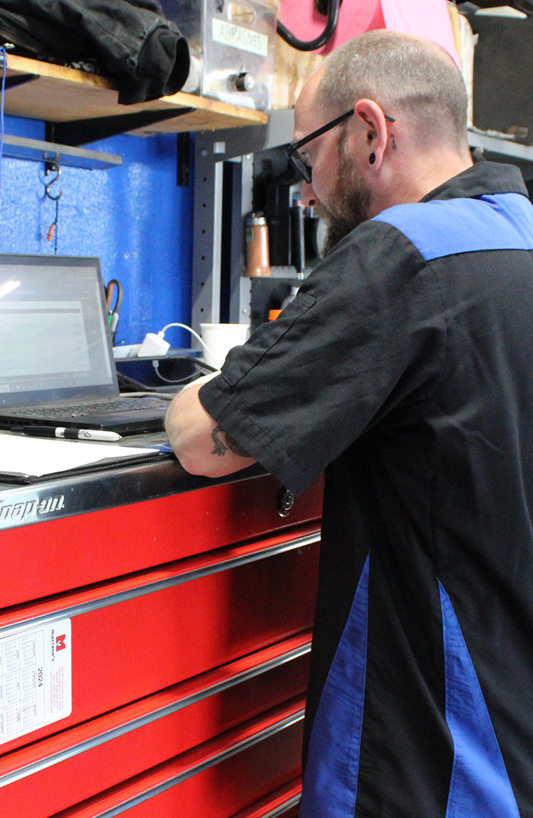
Modern vehicles are no longer just mechanical machines—they’re sophisticated networks of computers that control nearly every function, from engine performance to safety systems. This technological revolution has fundamentally changed how we diagnose and repair cars, offering unprecedented accuracy while demanding new skills from technicians. Understanding these systems is essential for any car owner looking to maintain their vehicle in today’s high-tech automotive landscape.
From Simple Controllers to Complex Networks
The journey began in 1968 when Volkswagen introduced the first electronic control unit (ECU) in the Type 3. This pioneering system managed fuel injection with precision that mechanical components couldn’t match, demonstrating that electronic control could improve both performance and emissions—an early nod to environmental concerns that would shape the industry.
From these modest beginnings, vehicle computer technology evolved rapidly:
- 1980s: OBD-I systems brought basic diagnostic capabilities, allowing technicians to retrieve simple fault codes
- Mid-1990s: OBD-II standardization revolutionized diagnostics with universal trouble codes and standardized connectors
- 2000s: Multiple ECU networks using Controller Area Network (CAN) protocols enabled components to communicate seamlessly
- 2010s: Vehicles integrated dozens of specialized control units managing everything from transmission shifting to climate control
Today’s vehicles typically contain 30 to 80 separate ECUs working in harmony. Each one handles specific functions:
| Control Unit | Primary Functions |
|---|---|
| Engine Control Unit | Fuel injection, ignition timing, emissions |
| Transmission Control Unit | Gear shifting, torque distribution |
| Body Control Module | Lighting, windows, door locks |
| Infotainment System | Navigation, audio, connectivity |
| Safety Systems ECU | Airbags, ABS, stability control |
| Climate Control Unit | HVAC regulation |
These components communicate through CAN protocols—essentially the vehicle’s nervous system—sharing data at speeds up to 1 million bits per second. This architecture enables remarkable diagnostic precision, allowing technicians to pinpoint issues with scalpel-like accuracy rather than guesswork.
How Onboard Diagnostics Revolutionized Repair
The introduction of OBD-II in 1996 marked a watershed moment for automotive repair. Unlike its predecessor, OBD-II established universal diagnostic trouble codes (DTCs) across all manufacturers, creating a common language for technicians. More importantly, it provided access to real-time data streams, allowing professionals to monitor engine parameters, emissions information, and system performance while the vehicle operates.
Modern diagnostic software builds on this foundation with capabilities that were unimaginable just decades ago:
Active Testing: Technicians can test individual components while they remain installed in the vehicle, verifying functionality without removal.
ECU Reprogramming: Many issues can now be resolved through software updates or control module reprogramming—repairs performed entirely through code.
System Resets: After component replacement, advanced tools can reset and recalibrate systems to restore normal operation.
Bi-Directional Control: Technicians can command specific actuators or solenoids to activate during troubleshooting, confirming electrical and mechanical function simultaneously.
These capabilities deliver measurable benefits: repair times reduced by up to 50%, diagnostic accuracy that virtually eliminates guesswork, and the ability to catch intermittent faults by monitoring live data rather than waiting for symptoms to appear.
ADAS: When Computers Take the Wheel
Advanced Driver Assistance Systems (ADAS) represent some of the most sophisticated applications of vehicle computer technology. These systems process real-time data from cameras, radar units, and sensors to enable features like adaptive cruise control, lane departure warning, and automatic emergency braking. ADAS goes beyond convenience—it actively prevents accidents through computer-directed reactions that can respond faster than human reflexes.
For repair shops, ADAS presents unique challenges. Diagnosing these systems requires understanding how groups of sensors communicate with central processors, and repairs often demand specialized calibration equipment. Even a simple windshield replacement may require recalibrating forward-facing cameras to ensure safety systems function correctly.
At facilities equipped to handle these complexities, technicians maintain expertise through continuing education and investment in precision calibration tools. This commitment ensures that safety systems operate as designed after any repair.
The Unique Computing Demands of Hybrid and Electric Vehicles
Hybrid and electric vehicles introduce computing requirements that traditional gasoline engines never faced. Complex networks support these powertrains, managing multiple energy sources and optimizing performance across varying driving conditions.
The Battery Management System (BMS) serves as the central command for electric and hybrid vehicles, continuously monitoring:
- Individual cell voltages and temperatures
- State of charge and battery health
- Thermal management to prevent overheating
- Charging protocols and safety shutoffs
Regenerative braking control represents another computing marvel. When the brake pedal is pressed or the accelerator released, computer modules instantly calculate the optimal blend of regenerative and friction braking, considering wheel speed, battery capacity, and driver input to maximize energy recovery while delivering smooth deceleration.
Hybrid vehicles add another layer of complexity, as computer networks seamlessly coordinate between internal combustion engines and electric motors, selecting the most efficient power source for current driving conditions.
Autonomous Vehicles: The Future of Automotive Computing
Self-driving cars represent the pinnacle of vehicle computer evolution. These vehicles integrate artificial intelligence and machine learning to deliver autonomous capabilities, processing massive data volumes from multiple sensors, cameras, LiDAR, and radar systems in real time.
AI enhances vehicle computer systems through:
Predictive Analytics: Route optimization and traffic pattern recognition that adapts to conditions
Deep Learning: Algorithms that improve driving performance through accumulated experience
Neural Networks: Visual processing systems that identify objects, pedestrians, and road conditions
Real-Time Decision Making: Response capabilities that operate faster than human reflexes
As vehicles transition from mechanical systems to software-driven platforms, repair techniques must adapt accordingly. Tomorrow’s technicians will need expertise in software diagnostics, sensor calibration, and AI system maintenance—combining traditional mechanical knowledge with computer programming skills and cybersecurity awareness.
Essential Diagnostic Tools for Modern Repair Shops
Professional repair facilities rely on sophisticated diagnostic equipment to navigate today’s complex vehicle computer systems. Leading platforms include:
- Snap-on Diagnostic Tools: Comprehensive coverage with advanced ECU programming capabilities
- Bosch Automotive Diagnostics: Precise European vehicle diagnostics and calibration features
- Autel Scan Tools: Cost-effective solutions with extensive vehicle compatibility
- Launch Tech USA: Professional-grade diagnostic and programming functions
These tools connect directly to the vehicle’s OBD-II port, instantly retrieving diagnostic trouble codes and real-time data streams. Beyond simple code reading, technicians can perform ECU reprogramming, module coding, and system adaptations—capabilities that eliminate guesswork and unnecessary part replacements.
What’s Next: Connectivity and Cybersecurity
The automotive ecosystem is rapidly embracing Internet of Things (IoT) connectivity, with vehicles now communicating with traffic infrastructure, other cars, and cloud services. This network enables real-time traffic information, automatic route optimization, and integration with smart city infrastructure for improved efficiency.
Over-the-Air (OTA) updates represent a breakthrough in vehicle maintenance. Manufacturers can now deliver software upgrades, bug fixes, and new features directly to your car’s computers without requiring a service visit. Tesla pioneered this capability, but mass-market manufacturers like Ford, GM, and BMW are rapidly introducing OTA functionality across their lineups.
However, increased connectivity introduces cybersecurity considerations. As vehicles become rolling computers with internet connections, they face potential vulnerabilities. Repair shops must now consider security protocols when working on networked systems, ensuring diagnostic procedures don’t inadvertently expose vehicles to risks. This requires technicians to stay current on security best practices and utilize encrypted diagnostic tools that safeguard sensitive vehicle data during repairs.
Final Thoughts
Vehicle computer systems have fundamentally transformed modern auto repair, delivering diagnostic accuracy that was unimaginable just a generation ago. From basic ECUs to complex networked systems managing everything from engine performance to ADAS functionality, these technological advances have revolutionized how we maintain and repair vehicles.
For car owners, this evolution means more reliable diagnostics, faster repairs, and vehicles that are safer and more efficient than ever. But it also means that choosing a repair facility matters more than ever—technicians must combine traditional mechanical expertise with advanced computer and software knowledge to properly maintain today’s vehicles.
Ready to experience professional service for your vehicle’s computerized systems? Contact experts who combine state-of-the-art diagnostic technology with decades of experience to keep you safely on the road.
References
- Volkswagen Classic Parts. (2023). The History of Electronic Fuel Injection. Volkswagen AG.
- Society of Automotive Engineers. (2022). OBD-II Standardization: 25 Years of Progress. SAE International.
- Bosch Automotive. (2023). Diagnostic Systems and Vehicle Electronics. Robert Bosch GmbH.
- National Highway Traffic Safety Administration. (2024). Advanced Driver Assistance Systems: Technology Overview. U.S. Department of Transportation.