
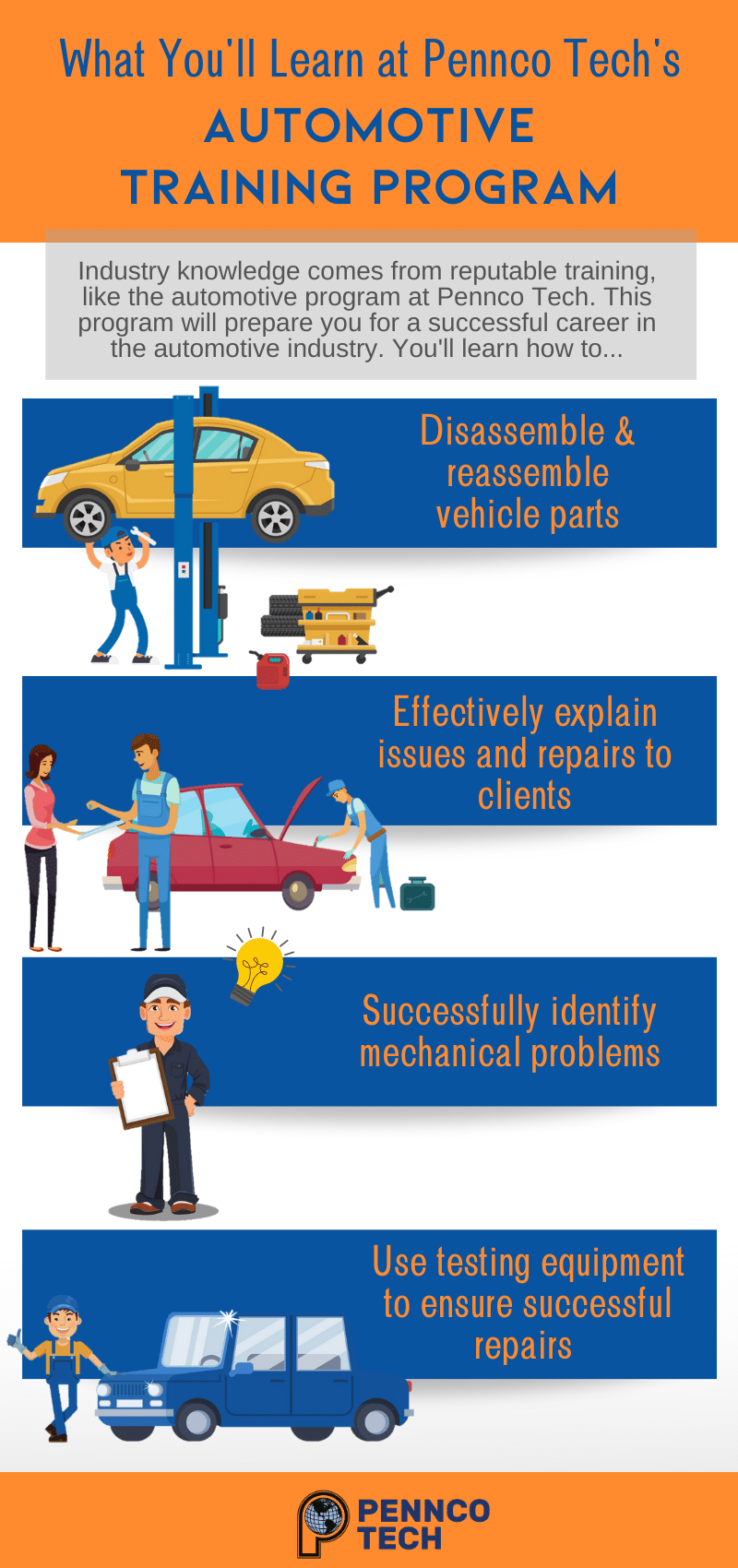
The automotive industry is constantly evolving, demanding skilled technicians capable of maintaining, diagnosing, and repairing modern vehicles. This comprehensive training program is designed to equip students with the essential knowledge and practical abilities needed to excel in this dynamic field. The curriculum balances theoretical course content with hands-on shop experience, allowing students to apply their learning to real-world scenarios, from diagnosing complex issues to performing routine maintenance and inspections.
Program Overview: Safety, Industry, and Essential Skills
This foundational course emphasizes the critical importance of safety within the automotive workshop environment. Students will gain an understanding of the automotive industry’s landscape, exploring diverse career paths available to auto technicians. The program also introduces students to the specific resources and methodologies employed within the REOC auto tech program. Furthermore, it focuses on developing crucial soft skills and professional conduct necessary for success in the workplace, alongside an introduction to essential service information resources. The learning methodology utilizes a blended approach, combining online learning with practical, in-person instruction.
Key Learning Areas:
- Shop Safety Protocols: Comprehensive training on maintaining a secure and hazard-free work environment.
- Automotive Industry Introduction: An overview of the sector, including career opportunities and expectations for auto technicians.
- REOC Auto Tech Program Introduction: Familiarization with the program’s structure, resources, and learning objectives.
- Professional Workplace Behavior: Developing the soft skills and etiquette required for professional success.
- Service Information Access: Learning to effectively utilize technical service bulletins and repair manuals.
Mastering Tools, Inspections, and Vehicle Identification
Building upon the introductory safety and industry knowledge, this module delves into the practical aspects of vehicle assessment and maintenance. Students will be instructed on the proper use of various automotive tools and equipment, alongside in-depth training on performing essential vehicle inspections. A key component is understanding the Vehicle Identification Number (VIN) and its significance, as well as mastering the comprehensive 21-point vehicle inspection, a thorough bumper-to-bumper check. This section also covers the safe operation of vehicle lifting and hoisting equipment, and the specific requirements for New York State (NYS) vehicle inspections. Additionally, students will learn torch, cutting, and grinding safety procedures.
Core Competencies:
- Vehicle Lifting and Hoisting: Safe and correct operation of equipment for vehicle access.
- NYS Inspection Procedures: Understanding and executing the state-mandated vehicle inspection process.
- Shop Tools and Equipment Proficiency: Developing skills in using a wide range of automotive tools.
- VIN Decoding: Understanding the structure and information contained within a Vehicle Identification Number.
- 21-Point Vehicle Inspection: Conducting thorough diagnostic checks across all major vehicle systems.
- Torch, Cutting, and Grinding Safety: Implementing safety measures for specialized workshop tools.
Diagnostic Techniques and Wiper System Service
This course segment focuses on the critical skill of diagnosing vehicle issues through an understanding of electrical systems and warning indicators. Students will learn to interpret dashboard warning lights and symbols, enabling them to identify potential problems efficiently. The practical application extends to performing basic electrical diagnostics. A specific hands-on skill taught is the removal and installation of wiper blades, a common maintenance task. Furthermore, students will gain knowledge regarding the battery and its associated electrical system, as well as proper bulb service procedures.
Skill Development:
- Basic Electrical Diagnostics: Fundamental principles for identifying electrical faults.
- Dashboard Warning Lights and Symbols: Recognizing and understanding vehicle alert indicators.
- Wiper Blade Service: Efficiently replacing and maintaining windshield wiper systems.
- Battery and Electrical System Fundamentals: Understanding the role and maintenance of the vehicle’s power source.
- Bulb Replacement: Servicing various lighting components on a vehicle.
Brake System Repair and Tire Maintenance
This module provides comprehensive training on the maintenance, repair, and servicing of critical vehicle systems, specifically focusing on brakes and tires. Students will acquire the skills necessary for brake diagnostics and repair, ensuring the safety and performance of braking systems. The curriculum includes detailed instruction on the mounting and balancing of tires, crucial for vehicle stability and tire longevity. Additionally, students will learn the procedures for wheel alignments, which are essential for proper tire wear and vehicle handling. This section equips students with the expertise to address a significant aspect of vehicle safety and performance.
Practical Applications:
- Brake Diagnostics and Repair: Identifying and rectifying issues within the braking system.
- Tire Mounting and Balancing: Correctly installing and balancing tires for optimal performance.
- Wheel Alignments: Performing adjustments to ensure proper wheel positioning and tire wear.
Essential Maintenance: Oil Changes and Tune-Ups
This final practical module covers essential routine maintenance procedures that are fundamental to vehicle longevity and performance. Students will master the process of conducting comprehensive vehicle tune-ups, ensuring optimal engine operation. A core skill taught is the correct procedure for changing engine oil and oil filters, a critical maintenance task. The training also includes thorough under-hood inspections to identify potential issues. Students will learn about air filter service, crucial for engine efficiency, and cooling system service to prevent overheating. Finally, the module covers fuel and induction system service, as well as the service of automatic and manual transmissions, differentials, and transfer cases, providing a well-rounded understanding of essential vehicle upkeep.
Key Maintenance Skills:
- Vehicle Tune-Up Procedures: Optimizing engine performance through systematic checks and adjustments.
- Oil and Filter Changes: Executing proper engine oil replacement.
- Under-Hood Inspection: Conducting visual checks of key engine compartment components.
- Air Filter Service: Maintaining clean air intake for engine efficiency.
- Cooling System Service: Ensuring proper coolant levels and system integrity.
- Fuel and Induction Service: Maintaining the fuel delivery and air intake systems.
- Drivetrain Service: Understanding the service requirements for transmissions, differentials, and transfer cases.
The demand for skilled automotive technicians remains strong, with promising job outlooks for individuals possessing up-to-date knowledge and practical skills in vehicle maintenance and repair. This program is designed to prepare graduates for successful careers in the ever-evolving automotive service industry.