
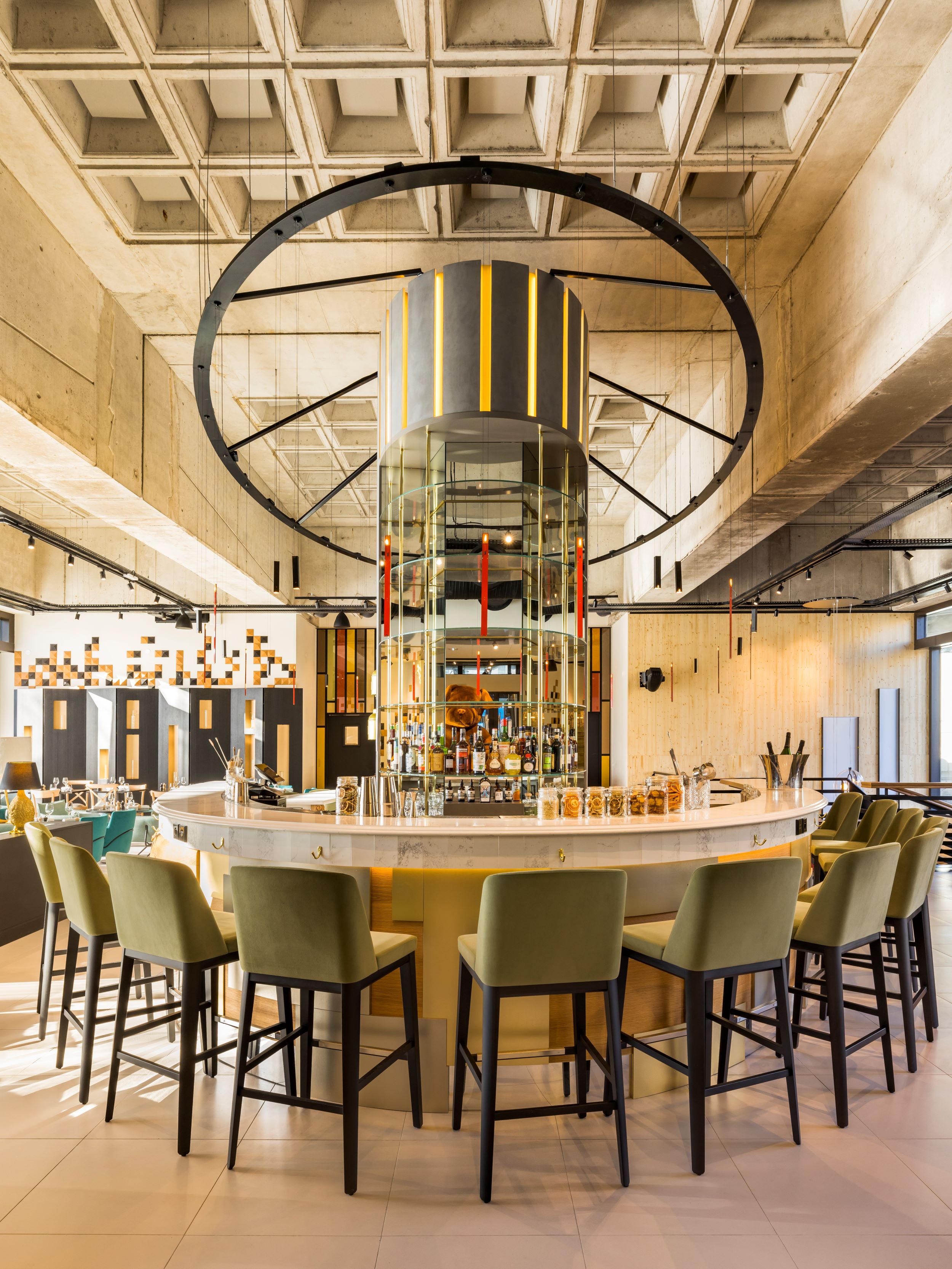
Lifestyle hotels are redefining the travel experience, moving beyond traditional accommodations to offer immersive and socially-driven environments. These properties, often characterized by their distinctive interior decor and smaller footprints, are designed to resonate with a new generation of travelers who seek more than just a room. They are crafting spaces that foster community, offer unique experiences, and reflect the identity of their guests, making them increasingly popular among younger demographics who are prioritizing travel and unique experiences.
Sylvain Pasdeloup, executive vice president of Asia-Pacific at lifestyle operator Ennismore, highlights this shift, stating, “I think guests today are choosing a hotel because they want to have more than a room. They want to have a party… a place where they recognize themselves.” This philosophy underpins the operational strategy of lifestyle hotels, where social spaces often take precedence over the individual rooms themselves. The appeal extends to a younger, affluent, and culturally confident customer base within Asia, according to Alan Watts, president of Hilton, Asia-Pacific.
The economic model of lifestyle hotels also presents an attractive proposition for investors and owners. While their smaller scale can reduce building costs, they typically command a price premium of 10-11% above the market average. This premium is further bolstered by the significant role of food and beverage (F&B) in their success. Lifestyle hotels generate approximately 30% higher F&B revenue per occupied room compared to the market average, underscoring the importance of their culinary and social offerings.
Traditionally, lifestyle hotels were concentrated in the luxury and upscale segments. However, a notable expansion is now being observed in the upper midscale and even entry-level categories. Marina Bracciani, JLL’s vice president and head of hotels research in Asia-Pacific, notes, “The lifestyle concept, initially premium, is increasingly entering three-star and entry-level four-star properties.” This broadening appeal suggests that the lifestyle hotel concept is becoming more accessible and adaptable across various market tiers. Projections indicate a robust growth trajectory, with ten new lifestyle hotel brands slated to launch in Asia-Pacific by 2027, including the highly anticipated debut of Mama Shelter in Singapore.
The evolution of lifestyle hotels signifies a paradigm shift in the hospitality industry, moving towards experiences that are deeply personalized, community-oriented, and increasingly integrated into the broader spectrum of travel consumer choices. As these hotels continue to innovate and expand, they are set to shape the future of how people travel and engage with destinations.