
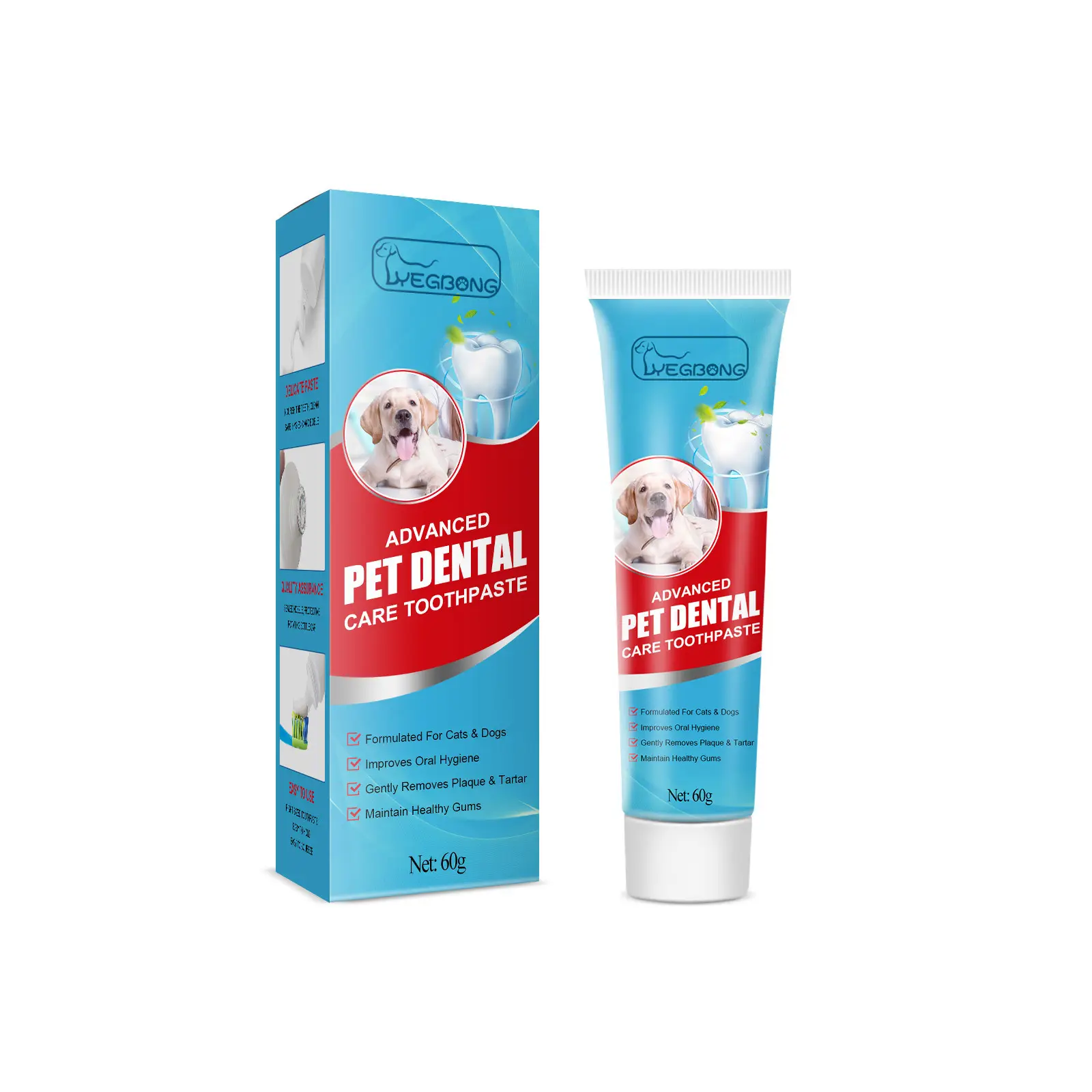
Nothing beats the unconditional love of a pet, but persistent bad breath can quickly sour those special moments. Often joked about as “doggie breath,” chronic foul odors usually signal dental problems that can impact your pet’s comfort and overall health. Maintaining oral hygiene is just as crucial for pets as it is for humans.
Choosing the right pet toothpaste ensures effective plaque control while making the experience enjoyable for your furry companion. With a multitude of options available, from gels to enzymatic pastes, finding the perfect product can feel overwhelming. Here, we explore the top options to keep your pet’s mouth healthy and their kisses fresh.
Why Choosing the Right Pet Toothpaste Matters
Unlike humans, pets cannot spit or rinse after brushing. This means dental products must be safe to swallow. Enzymatic toothpastes are particularly effective because their enzymes break down bacteria and plaque even if brushing technique is imperfect. Flavored options such as poultry or beef make brushing a treat rather than a chore, encouraging regular use.
Proper oral care reduces the risk of periodontal disease, tooth loss, and systemic infections. For pet owners, the right toothpaste turns dental hygiene from a struggle into a bonding activity.
Top 5 Pet Toothpastes
1. Virbac C.E.T. Enzymatic Toothpaste (Best Overall)
Veterinarians widely recommend this toothpaste as the gold standard. Its dual-enzyme system inhibits plaque formation effectively.
- Pros: Highly palatable flavors, clinically proven.
- Cons: Slightly higher price than generic brands.
- Best For: Owners seeking professional-grade preventative care.
2. Vet’s Best Dental Gel (Best Natural Option)
This plant-based gel contains neem oil, grapefruit seed extract, and aloe for a natural approach to oral health.
- Pros: Gentle on sensitive gums, natural antifungal benefits.
- Cons: Herbal scent may deter picky eaters.
- Best For: Pets with sensitive gums or owners preferring natural ingredients.
3. PetSmile Professional Pet Toothpaste (VOHC Accepted)
Recognized by the Veterinary Oral Health Council, this paste uses Calprox technology to dissolve the protein layer on teeth.
- Pros: No brushing required, flavorless options.
- Cons: Premium price.
- Best For: Pets reluctant to tolerate brushing.
4. Arm & Hammer Enzymatic Dental Care (Best Budget)
A trusted, affordable choice using baking soda to neutralize odors effectively.
- Pros: Budget-friendly, widely available, combats acid.
- Cons: Some pets dislike the foaming sensation.
- Best For: Households with multiple pets on a budget.
5. Oxyfresh Gel (Best for Bad Breath)
Ideal for pets with significant halitosis, this tasteless and odorless gel neutralizes volatile sulfur compounds instantly.
- Pros: Effective against strong odors, suitable for finicky pets.
- Cons: Less abrasive for plaque removal.
- Best For: Pets suffering from persistent bad breath.
Introducing Tooth Brushing to Your Pet
Patience is key. Gradual introduction helps your pet associate brushing with positive experiences:
- Dab toothpaste on your finger and let your pet lick it off.
- Gently rub along the gum line.
- Gradually introduce a toothbrush, focusing on the outer surfaces of teeth.
- Reward with praise or a toy immediately afterward.
When Home Care Isn’t Enough
Even with diligent brushing, hardened tartar requires professional intervention. Signs such as red gums, loose teeth, or reluctance to eat warrant a veterinary visit. Regular dental checkups are essential to prevent infections and costly treatments. For those in Georgia, consulting Dogwood Animal Hospital in Lawrenceville ensures specialized periodontal care.
Maintaining dental hygiene protects your pet’s overall health. Consistent care using the right product prevents infections, promotes fresh breath, and keeps your companion happy and energetic.
Frequently Asked Questions
Q1: Can I use human toothpaste on my pet?
No. Human toothpaste contains xylitol or fluoride, which are toxic to pets.
Q2: How often should I brush my pet’s teeth?
Daily is ideal; at minimum, three times a week helps maintain oral health.
Q3: Do water additives replace brushing?
No. They help reduce bacteria but do not remove physical plaque effectively.
Q4: Does enzymatic toothpaste remove tartar?
It prevents new tartar and breaks down soft plaque but cannot remove hardened tartar, which requires professional scaling.
Q5: Best flavor for picky eaters?
Poultry or beef flavors work well for most dogs; flavorless or malt options suit finicky pets.
Q6: When should I start brushing a puppy’s teeth?
Begin handling the mouth at 8–12 weeks to establish routine and desensitize them to brushing.
For comprehensive guidance and professional evaluation, schedule a dental checkup at Dogwood Animal Hospital to keep your pet’s smile healthy and their breath fresh. Consistency, patience, and the right pet toothpaste make all the difference.