
The Seminole State College of Florida’s Automotive Engineering Technology program, accredited by the ASE Education Foundation, offers a comprehensive pathway for individuals aspiring to build successful careers in the dynamic automotive services industry. This Associate of Applied Science degree program is meticulously designed to integrate cutting-edge automotive technology education with valuable industry internships and rigorous academic coursework. Read More About Program Description.
This program is structured to provide students with specialized knowledge and practical skills, catering to diverse career aspirations within the automotive field.
Program Tracks and Core Competencies
Students in the Automotive Engineering Technology program can choose from three distinct tracks: GM-ASEP (General Motors Automotive Service Educational Program), Ford-ASSET (Ford Automotive Student Service Educational Training), or TACT ( a non-manufacturer-specific track). The TACT track may also offer opportunities for specialized training through the Nissan Technician Training Academy (NTTA). Regardless of the chosen track, all students will acquire essential skills in the proper diagnosis and repair of modern vehicles, including those equipped with advanced technologies and alternative fuel systems.
The curriculum emphasizes a blend of traditional vehicle technology and emerging alternative-fuel technologies, such as hybrid-electric and hydrogen fuel cell systems. This ensures graduates are well-prepared for the evolving automotive landscape.
Key Curriculum Areas:
The program requires 53 credits in core automotive courses, covering a wide array of essential subjects:
- Electrical and Electronic Systems: From foundational concepts in AER 1073 (Applied Concepts in Automotive Electrical/Electronics) and AER 1602 (Electrical/Electronic Systems I) to advanced diagnostics in AER 1695 (Chassis Electronics) and AER 2694 (Electrical/Electronic Systems II), students gain a thorough understanding of vehicle electrical architecture.
- Engine Systems: Courses like AER 1197 (Engine Diagnoses and Repair) and AER 2840 (Engine Control Systems) delve into the complexities of internal combustion engines, their diagnostics, and control systems.
- Drivetrain and Chassis: Students will master the intricacies of AER 1496 (Steering and Suspension Systems), AER 1596C (Brake Systems, Anti-Lock Brakes and Traction Control Systems), AER 2298 (Automatic Transmissions/Transaxles), and AER 2398 (Manual Transmissions/Drive Trains).
- Alternative Fuel and Advanced Technologies: AER 2870C (Alternative Fuel and Propulsion Systems) introduces students to the latest in hybrid, electric, and hydrogen fuel cell technologies, preparing them for the future of automotive power.
- Diagnostic Skills: The program places a strong emphasis on diagnostic methodologies, with courses such as AER 1073 and AER 2820C (Driveability Diagnosis) equipping students with the critical thinking and problem-solving skills necessary for accurate vehicle repair.
Experiential Learning and Graduation Requirements
A crucial component of the Automotive Engineering Technology program is practical, hands-on experience. The curriculum mandates a total of 5 co-op credits, which can include up to 2 credit hours of AER 2920 (Automotive Practicum). These experiential learning opportunities allow students to apply their academic knowledge in real-world settings, further enhancing their employability.
In addition to the specialized automotive courses, students must complete 15 credits of General Education courses across various disciplines, including Communication, Humanities, Mathematics, Natural Science, and Social Science. This ensures a well-rounded education.
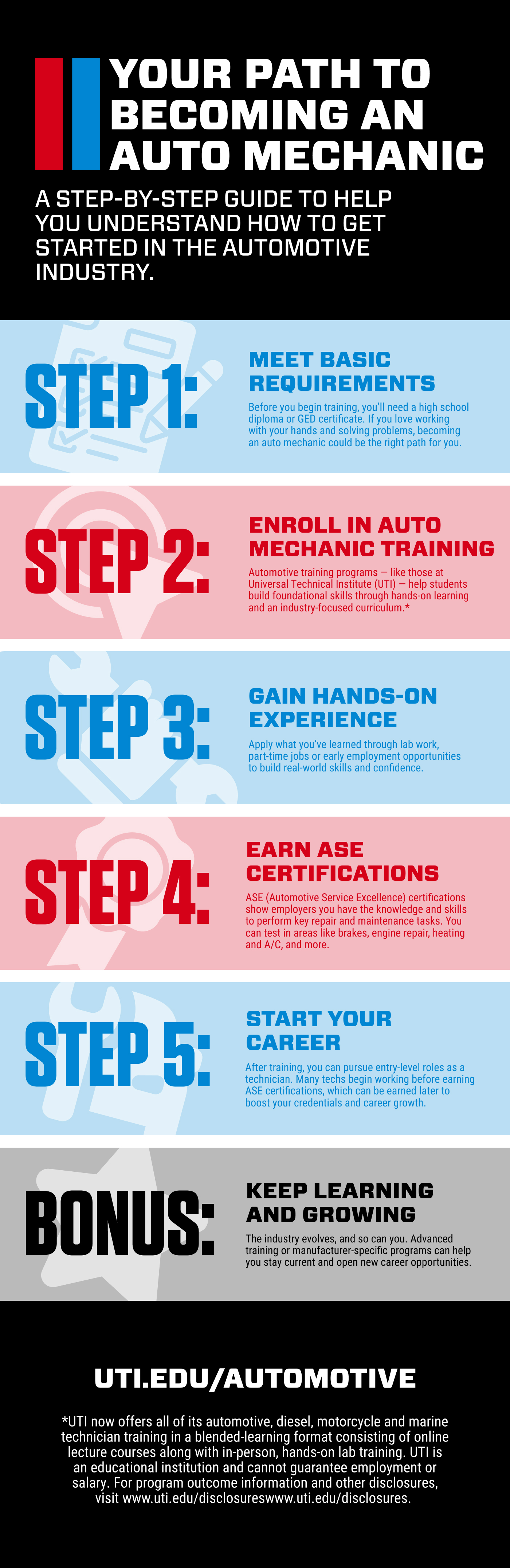
Candidates for the program must meet the following requirements:
- Admission to Seminole State College.
- Official high school transcripts indicating a diploma or equivalent.
- Completion of the Postsecondary Education Readiness Test (PERT) for non-exempt students.
- Minimum age of 18 prior to work assignments.
- A valid Florida driver’s license and a current DMV report.
- Submission of a separate online automotive program application.
- Ability to lift and carry up to 50 pounds.
This program is designed to equip students with the technical expertise and practical experience necessary to excel in the automotive industry, whether in dealership service departments, independent repair shops, or specialized automotive technology roles. Graduates are well-positioned for careers as automotive technicians, diagnostic specialists, or service advisors.
References:
- Seminole State College of Florida Catalog. (n.d.). Automotive Engineering Technology. Retrieved from www.seminolestate.edu/catalog/programs/auto-aas (Note: This URL is a placeholder and should be replaced with the actual catalog page if available.)