
It’s concerning when a dog’s eating habits change, as a sudden refusal to eat can signal that something is amiss. This lack of appetite, or anorexia, can stem from various factors, including physical discomfort, emotional distress, or underlying health issues. Recognizing these signs is the first step towards helping your canine companion.
Several factors can influence a dog’s appetite. These include dental problems, undiagnosed pain, stress and anxiety, an upset stomach, or parasitic infections like roundworms. Infectious diseases such as influenza, or cognitive dysfunction in older dogs, can also lead to a decreased desire to eat.
When your dog stops eating, it’s essential to consult your veterinarian. They can conduct an examination to pinpoint the exact cause of the anorexia. Once the underlying issue is identified and a treatment plan is in place, your vet might recommend appetite stimulants to aid in your dog’s recovery and encourage them to eat.
What Are Appetite Stimulants for Dogs?
Appetite stimulants are substances or techniques designed to encourage a dog to eat more or to induce a feeling of hunger. While treating the root cause of a dog’s anorexia is paramount, appetite stimulants can be a valuable component of the overall treatment strategy.
When Do Dogs Need Appetite Stimulants?
Appetite stimulants are typically considered when a dog:
- Has been refusing food for a prolonged period, impacting their health.
- Consistently consumes insufficient calories to maintain a healthy weight.
- Is undergoing treatments like chemotherapy, which are known to decrease appetite.
- Requires additional nutritional support during recovery from illness or surgery.
Veterinarian-Recommended Appetite Stimulants for Dogs
1. Home-Cooked Meals and Special Treats
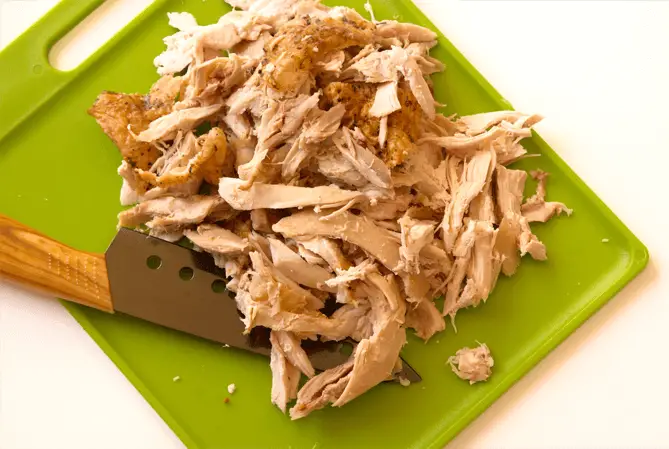
Often, the simplest way to entice a dog to eat is by offering their favorite treats or preparing a special meal, such as plain boiled chicken. For sick or elderly dogs who are being picky eaters, plain, skinless, and boneless boiled chicken can be a very effective and affordable option. Adding toppers like chicken to a dog’s regular food can also encourage them to finish their meal.
Another effective strategy is to switch from dry kibble to wet or canned food, which can be more palatable. Hand-feeding can also coax a reluctant dog to eat, as can gently warming their food to enhance its aroma. However, caution is advised when microwaving food, as it can create hot spots. Always test the temperature before serving to ensure it’s safe for your pet.
2. Acupuncture
While not a cure for underlying conditions, acupuncture has been shown to reduce pain, inflammation, and nausea in dogs. Dogs suffering from decreased appetites due to conditions like diabetes, kidney or liver failure, pancreatitis, or hormonal imbalances such as Addison’s disease have reported an increased appetite after undergoing acupuncture sessions.
3. Mirtazapine
For appetite loss secondary to a medical condition, your veterinarian may prescribe medication. Mirtazapine is a commonly prescribed drug for dogs experiencing reduced appetite due to nausea caused by illnesses like kidney disease or cancer, or as a side effect of medications such as chemotherapy. Originally developed as an antidepressant in humans, its side effects of weight gain and increased appetite led to its use in veterinary medicine.
4. Maropitant (Cerenia®)
While not directly an appetite stimulant, maropitant (Cerenia®) is an anti-nausea medication that can significantly help improve a dog’s appetite. Many dogs who refuse food are experiencing nausea, even if they aren’t vomiting. Other anti-nausea medications that your vet might suggest include ondansetron and meclizine.
5. Entyce® (Capromorelin)
Entyce® is a ghrelin receptor agonist. It works by stimulating the production of growth hormone, which signals the brain to increase appetite, making the dog feel genuinely hungry.
Can CBD Help a Dog’s Appetite?
It is advisable to consult your veterinarian before administering CBD to your dog for appetite issues. Currently, there is insufficient scientific evidence to support the efficacy of CBD as an appetite stimulant in dogs, according to The American Veterinary Medical Association (AVMA). Other proven appetite stimulants are likely more effective for your dog.
When To See a Veterinarian
It can be distressing when your dog refuses to eat. While occasional pickiness is normal, a persistent lack of appetite can indicate a serious medical problem.
If your otherwise healthy adult dog has not eaten for over two days, it’s time to contact your veterinarian. If your dog exhibits additional symptoms such as vomiting, lethargy, or diarrhea, seek veterinary attention immediately.
For young puppies, senior dogs, or those with pre-existing conditions like diabetes, even missing a single meal can be significant. In such cases, consult your vet promptly to discuss the situation.
Your veterinarian will likely perform a physical examination to identify obvious causes like dental disease or abdominal pain. Diagnostic tests such as blood work or X-rays may be recommended to better understand the issue and determine the most effective treatment. Appetite stimulants might be part of this comprehensive treatment plan.
Featured Image: Elayne Massaini/iStock / Getty Images Plus via Getty Images
WRITTEN BY
Sarah Wooten, DVMVeterinarian
Dr. Sarah Wooten graduated from UC Davis School of Veterinary Medicine in 2002. A member of the American Society of Veterinary Journalists,…