
Canine parvovirus (CPV) is a severe and highly contagious viral illness that poses a significant threat to dogs, particularly young, unvaccinated puppies. The virus attacks the gastrointestinal system, leading to life-threatening symptoms such as severe vomiting, bloody diarrhea, and dehydration. Vaccination remains the most critical measure for protecting our canine companions and minimizing the virus’s spread.
Understanding Transmission and Impact
Parvovirus can infect dogs of all ages, but puppies between 6 weeks and 6 months old are most vulnerable. Exposure occurs through ingestion of the virus, which is shed in the feces of infected dogs. Notably, an infected dog can shed the virus for up to two weeks before exhibiting any symptoms and for two weeks after symptoms resolve. Parvovirus is exceptionally resilient in the environment, capable of surviving for up to a year on surfaces and resistant to many common household disinfectants. This hardiness facilitates its spread, even in the absence of direct contact with an infected animal.
The virus primarily targets the intestines, where it damages the delicate lining. This destruction allows bacteria to translocate from the intestines into the bloodstream, leading to a dangerous systemic infection. Additionally, parvovirus can attack the bone marrow, compromising the immune system and diminishing the dog’s ability to fight off secondary infections. The combined effects of a weakened immune system and a bacterial invasion of the bloodstream can be fatal if left untreated.
Recognizing the Clinical Signs
Early indicators of parvovirus infection often include lethargy, followed by a noticeable decrease in appetite and vomiting. These symptoms typically escalate rapidly, progressing to diarrhea that is often bloody, contains mucus, and possesses a foul odor. Other key clinical signs to watch for include:
- Lethargy
- Vomiting
- Diarrhea
- Decreased appetite
- Weakness
- Abdominal pain
- Fever
- Dehydration
Diagnosis and Veterinary Care
Any puppy or unvaccinated dog presenting with symptoms of vomiting and diarrhea warrants immediate testing for parvovirus. Veterinarians can perform a rapid and relatively inexpensive diagnostic test by detecting the virus in fecal samples or through a rectal swab.
Blood work is also a crucial component of the diagnostic process. Some affected dogs may develop anemia due to blood loss in the intestines or experience dangerously low blood sugar levels due to the severity of their illness and depleted energy reserves, particularly in young patients. Given that multiple conditions can cause vomiting and diarrhea, veterinarians may recommend further diagnostic tests, such as X-rays, ultrasounds, or additional fecal analyses, to rule out other potential causes.
Treatment Strategies
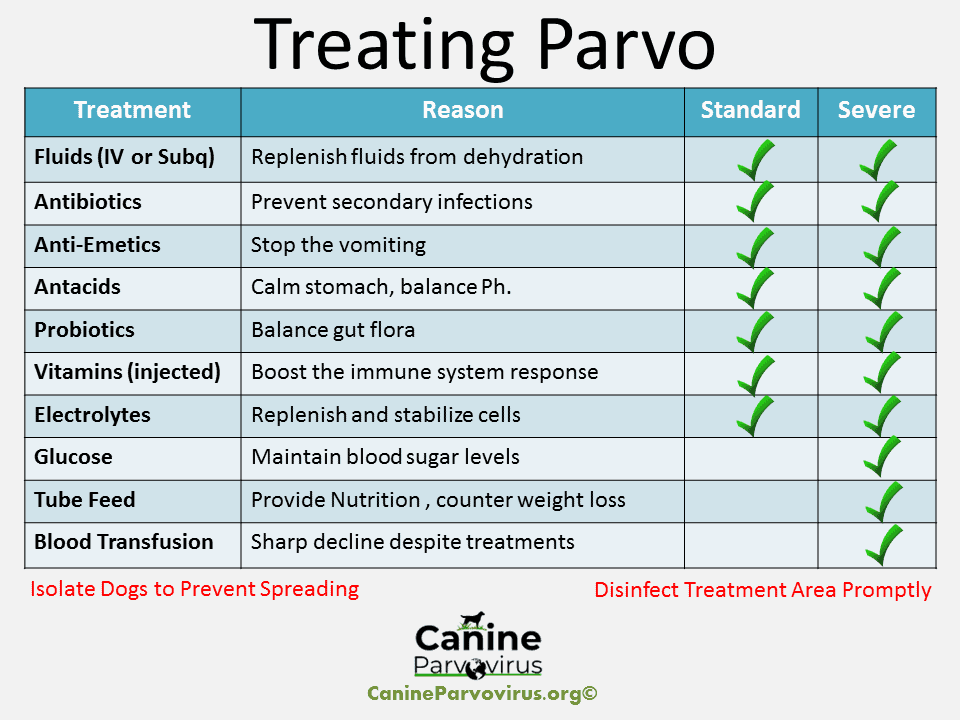
The cornerstone of parvovirus treatment involves aggressive fluid therapy and electrolyte management through intravenous (IV) administration. Antibiotics are essential to prevent or combat secondary bacterial infections, alongside medications to alleviate nausea, vomiting, and pain. Given that many puppies with parvo also harbor intestinal parasites, which can exacerbate diarrhea, a de-wormer is typically administered. For dogs experiencing hypoglycemia (low blood sugar), IV glucose supplementation is necessary.
A more recent advancement in parvovirus treatment is monoclonal antibody therapy. Canine Parvovirus Monoclonal Antibody (CPMA) is administered as a single intravenous injection designed to neutralize the virus by binding to it and preventing it from infecting cells. When given early in the course of the disease, CPMA can significantly reduce the severity of clinical signs.
Nutrition plays a vital role in recovery. Since most patients are too ill to eat adequately on their own, a temporary feeding tube may be inserted into the nose and directed to the esophagus or stomach to ensure proper nutrient delivery. Severe cases may also necessitate a plasma transfusion to replenish lost clotting factors and blood proteins, such as albumin, which are critical for maintaining blood pressure.
Patients diagnosed with parvovirus require intensive monitoring and ideally should be hospitalized to receive the necessary level of care. However, for owners facing financial constraints, outpatient therapy can be successful if the owner is committed to administering medications and adhering to a strict schedule of daily veterinary check-ups to monitor the dog’s response to treatment.
Prognosis and Survival Rates
Survival from a parvovirus infection is possible, but the outcome is heavily influenced by the dog’s age, size, and the severity of illness when veterinary care is sought. Without prompt and appropriate medical intervention, the prognosis is poor, with most patients succumbing to the virus. Initiating treatment at the earliest signs of illness significantly improves the chances of recovery.
Effective Prevention Methods
The three most effective strategies for preventing parvovirus infection are:
- Vaccination: Parvovirus is considered a core vaccine for dogs, essential for providing robust protection against infection. Vaccination protocols typically begin around 8 weeks of age (though may start as early as 4 weeks in shelter environments) and involve booster shots every 2-4 weeks until the puppy is 16-20 weeks old. A booster is recommended one year later, and subsequently every three years.
- Thorough Cleaning: Due to the virus’s resilience, meticulous disinfection of the environment is critical. Dogs diagnosed with parvovirus should be isolated during their treatment and for up to two weeks post-recovery. Many common household cleaners are ineffective against parvovirus. A diluted bleach solution (1:30 ratio with water) is effective, provided it is allowed to sit for at least 10 minutes after all organic matter (feces, food debris) has been removed. In the absence of proper disinfection or direct sunlight exposure, the virus can persist in the environment for extended periods.
- Avoiding High-Risk Areas: Until a puppy is fully vaccinated and protected, it is advisable to avoid areas where the risk of exposure to parvovirus is high. This includes dog parks, pet stores, and other communal areas where dogs congregate.
Effective prevention through vaccination, diligent cleaning, and cautious exposure management are key to safeguarding your dog against this dangerous disease.