
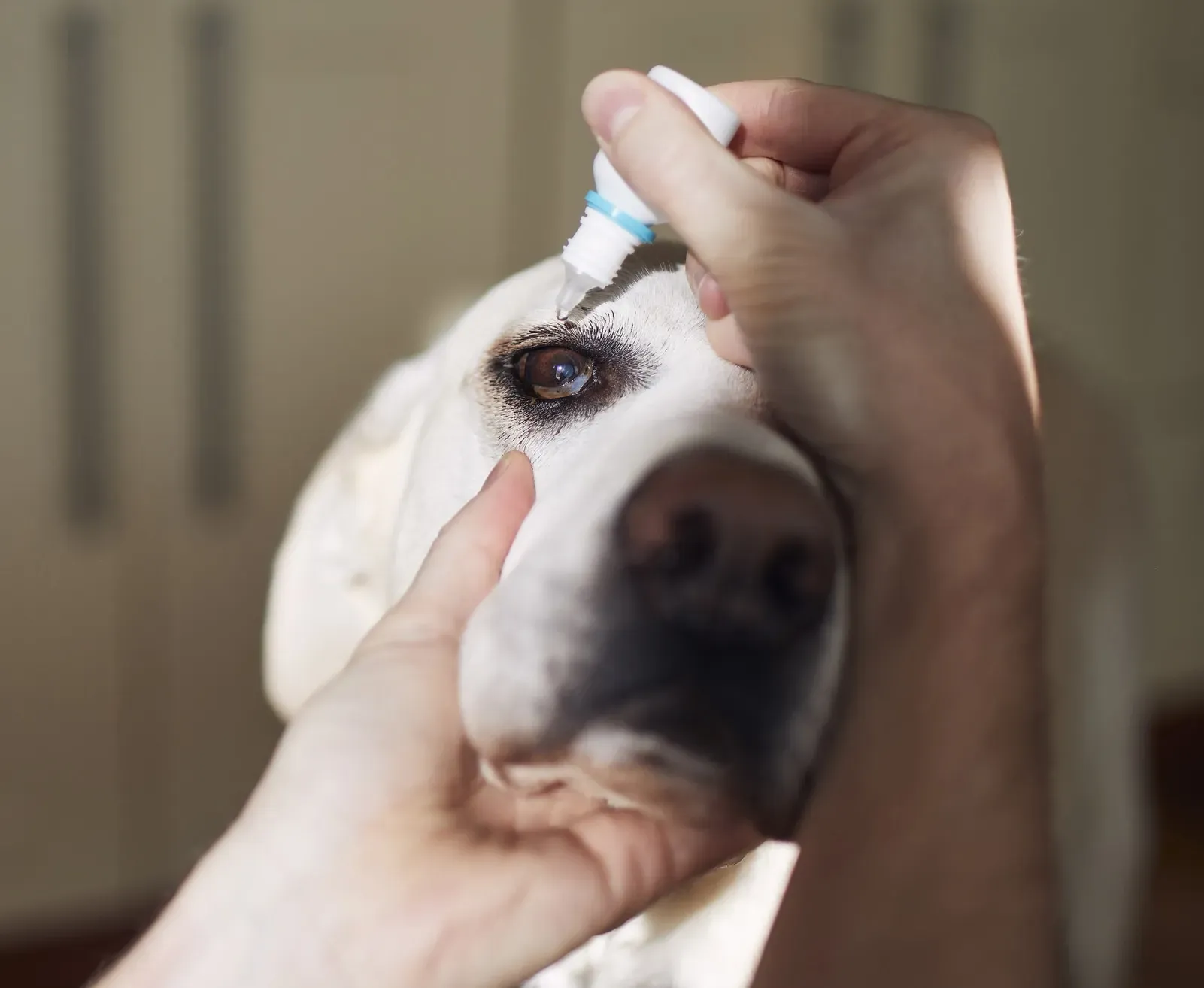
When your dog has red, watery, or painful eyes, your first instinct might be to reach for the human eye drops in your medicine cabinet. However, using over-the-counter human eye drops for dogs can lead to serious complications, and some common brands can even be life-threatening. Understanding which eye treatments are safe and when to seek veterinary care is essential for protecting your dog’s vision and overall health.
The Dangers of Using Human Eye Drops on Dogs
Many human eye drops contain active ingredients that are not safe for canine use. The most notorious example is Visine, which contains vasoconstrictors designed to “get the red out” by shrinking blood vessels in the eyes. While this may temporarily reduce redness in humans, these ingredients are highly toxic to dogs. Even small amounts can cause severe cardiovascular issues, dangerously low blood pressure, and neurological problems. The risk is even greater if your dog accidentally ingests the drops by chewing on the bottle.
Beyond toxicity concerns, using the wrong type of eye drops for your dog’s specific condition can make the problem worse. For instance, steroid drops can delay healing if your dog has a corneal ulcer, while antibiotic drops will not help with allergic conjunctivitis. The safest approach is always to consult your veterinarian before administering any eye medication.
Safe Over-the-Counter Options for Dogs
The only human eye drops considered safe for dogs are saline eye drops and artificial tears. However, even these should only be used after discussing the situation with your veterinarian. Saline drops are useful for flushing out debris or gently removing crusty discharge from the eye area. In many cases, plain warm tap water on a soft, clean cloth is sufficient for cleaning around the eyes without introducing any foreign substance.
If your dog is showing signs of eye discomfort—such as squinting, pawing at the eye, excessive redness, swelling, or any discharge that is yellow, green, or bloody—over-the-counter products are not appropriate. These symptoms require prompt veterinary attention to diagnose and treat the underlying cause.
Prescription Eye Drops for Dogs
When your dog is diagnosed with an ophthalmic condition, your veterinarian will prescribe medication specifically tailored to the problem. Some prescription eye drops for dogs are the same formulations used in human medicine, so your vet may direct you to fill the prescription at a local pharmacy.
Antibiotic Eye Drops
Bacterial eye infections in dogs often present with redness and thick yellow or green discharge. Antibiotic drops such as triple antibiotic (neomycin/polymyxin/bacitracin), ofloxacin, tobramycin, erythromycin, and gentamicin are commonly prescribed for bacterial conjunctivitis and corneal ulcers. Corneal ulcers are painful and may cause squinting, a cloudy appearance to the eye, and visible irritation.
Steroid Eye Drops
Steroid drops like dexamethasone and prednisone are effective for reducing inflammation in conditions such as allergic conjunctivitis or uveitis (inflammation inside the eye). However, these medications should never be used if a corneal ulcer is present, as steroids can slow healing and allow the ulcer to worsen. If your dog has a painful, squinting eye, do not assume steroid drops are safe—only a veterinarian can determine the correct diagnosis.
Immunosuppressive Eye Drops
Dry eye syndrome, medically known as keratoconjunctivitis sicca (KCS), occurs when a dog’s eyes do not produce enough tears. This condition leads to chronic irritation, thick mucous discharge, and can eventually cause scarring of the cornea. Prescription drops containing cyclosporine or tacrolimus help stimulate tear production and reduce inflammation. Your veterinarian will perform a Schirmer tear test to confirm the diagnosis before prescribing these medications.
Glaucoma Medications
Glaucoma in dogs is a serious condition characterized by increased pressure inside the eye. Signs include redness, squinting, pain, a cloudy cornea, and sometimes an enlarged or bulging eyeball. Prescription drops such as dorzolamide, timolol, and latanoprost help lower intraocular pressure. Glaucoma requires immediate veterinary treatment—uncontrolled pressure can lead to irreversible blindness and eventually loss of the eye.
Ointments vs. Drops: Which Is Better?
One important consideration when treating your dog’s eye condition is the frequency of administration. Eye drops tend to be cleared from the eye surface more quickly and often require application four to six times per day. This schedule can be difficult to maintain if you work outside the home or have a busy routine.
Ointments stay in the eye longer and typically need to be applied only two to three times daily. If your veterinarian prescribes a drop that requires frequent application, ask whether an ointment alternative is available. Many medications come in both forms, and switching to an ointment can make treatment more manageable while still providing effective results.
When to Seek Emergency Veterinary Care
Certain eye symptoms should never be treated at home with over-the-counter products. Seek immediate veterinary care if your dog exhibits:
- Sudden squinting or holding the eye closed
- Excessive redness or swelling around the eye
- A cloudy or bluish appearance to the cornea
- Visible injury to the eye or surrounding area
- Blood inside the eye or bloody discharge
- An eyeball that appears larger than normal
- Signs of pain such as pawing at the face or reluctance to eat
If your dog has chewed on or ingested any eye drop bottle—especially one containing vasoconstrictors like Visine—contact your veterinarian and Pet Poison Helpline immediately. Rapid intervention can prevent serious complications.
Final Thoughts
Your dog’s eyes are delicate, and using the wrong eye drops can cause more harm than good. While saline drops and artificial tears are generally safe for flushing or lubricating the eyes, they do not treat infections, inflammation, or underlying diseases. Prescription eye drops prescribed by a veterinarian are formulated to address specific conditions safely and effectively.
Always consult your veterinarian before administering any eye medication, and never use human eye drops containing vasoconstrictors, steroids, or antibiotics without professional guidance. With proper diagnosis and treatment, most canine eye conditions can be managed successfully, preserving your dog’s vision and comfort for years to come.
This article is for informational purposes only and does not constitute veterinary medical advice. Always consult a licensed veterinarian for diagnosis and treatment of your pet’s health conditions.