
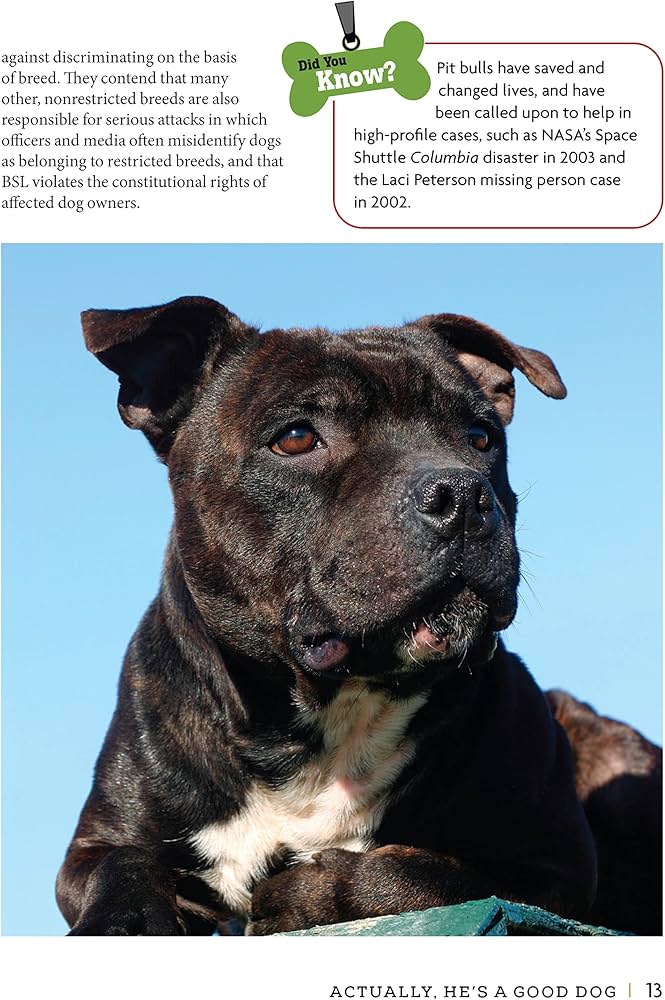
The American Pit Bull Terrier (APBT) boasts a lineage rooted in the now-extinct Old English Bulldog and Old English Terriers, breeds historically developed for dog fighting in England. European immigrants brought these robust dogs to the United States in the late 19th century, where they transitioned from the fighting pit to valuable farm and ranch hands, adept at catching hogs, hunting, herding livestock, and serving as loyal family companions. Their growing popularity spurred efforts for official breed recognition. The United Kennel Club (UKC) acknowledged the American Pit Bull Terrier in 1898, with the founder’s dog being the first registered. Subsequently, the American Dog Breeders Association (ADBA) recognized the breed in 1909.
It’s important to note that while these dogs are commonly referred to as “pitbulls,” the APBT is not recognized by the American Kennel Club (AKC). In an effort to distance the breed from its controversial fighting past, the AKC opted to recognize a segment of the population, eventually naming them the American Staffordshire Terrier. These dogs were first admitted to the AKC registry in 1936, after breeders provided assurances against their use in dogfighting. Learn more about adopting a dog.
In the United Kingdom, the dogs bred for pit fighting diverged into distinct breeds: the Bull Terrier and the Staffordshire Bull Terrier. Understanding this breed’s history is crucial for responsible ownership.
For those considering bringing an American Pit Bull Terrier into their home, reputable breeders can be found on the United Kennel Club website. The cost for an American Pit Bull Terrier puppy, especially one screened for health and temperament and potentially with pedigree papers, typically ranges from $1,300 to $2,500. Alternatively, adopting an APBT from an American Pit Bull Terrier rescue organization or a local animal shelter is a rewarding option. These dogs, often misunderstood due to historical misconceptions, can make loving and devoted companions when raised with proper training, socialization, and care. Early socialization, consistent positive reinforcement training, and ample opportunities for exercise are key to ensuring an APBT thrives as a well-adjusted pet. Owners should also be aware of the breed’s potential for prey drive and ensure appropriate management to coexist safely with other animals.
When choosing an American Pit Bull Terrier, prospective owners should thoroughly research breeders and rescue organizations to ensure the health and temperament of the dog. Responsible breeders will be transparent about the breed’s history and characteristics, provide health clearances for the parents, and be invested in the well-being of their puppies throughout their lives. Adopting from a shelter or rescue allows individuals to give a deserving dog a second chance, and these organizations often provide valuable support and guidance to new owners.