
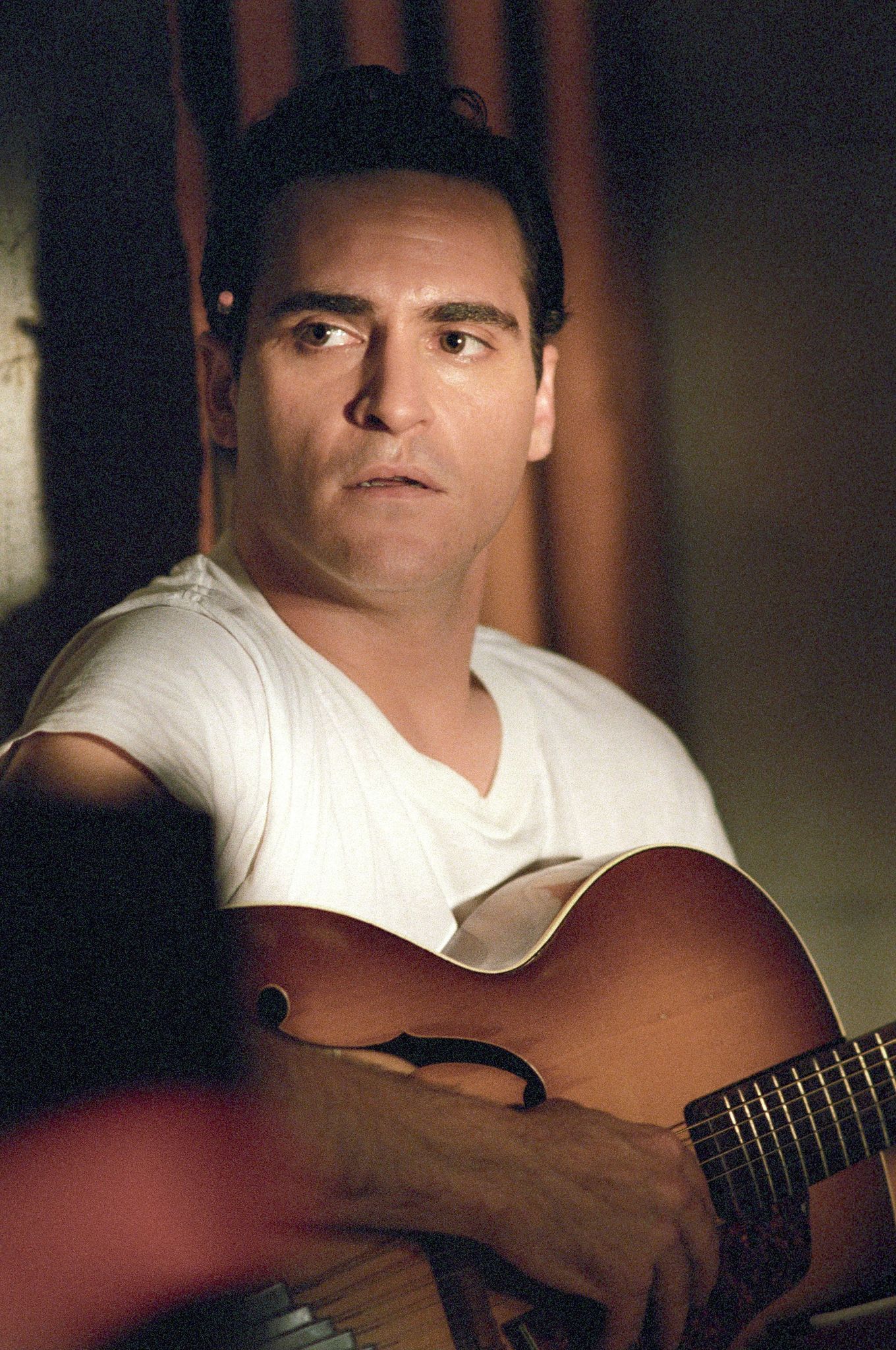
Johnny Cash’s enduring legacy is woven into the very fabric of American music. From his raw, rebellious beginnings at Sun Records to his later explorations of folk and protest songs, Cash carved a unique path that defied categorization and captivated audiences for decades. His life and career offer a compelling lens through which to understand the evolution of country, folk, and rock music, as well as the cultural shifts that shaped them.
From Sun Records to Stardom
Johnny Cash’s musical journey began in earnest at Sun Records in Memphis, the legendary label that had already launched Elvis Presley to superstardom. After auditioning for Sam Phillips, Cash, along with his minimalist band, began recording. His first release, the double-sided hit “Cry! Cry! Cry!”/”Hey Porter” in 1955, marked the emergence of one of the label’s most promising new artists. Cash quickly followed this success with a string of country hits that also crossed over to the pop charts, solidifying his position as a dominant force in country music throughout the late 1950s. His signature sound, characterized by a minimalist, rhythm-based approach, remained remarkably consistent, further reinforced by the addition of drummer W. S. “Fluke” Holland in 1960.
The Columbia Years and Artistic Evolution
In mid-1958, Cash transitioned to Columbia Records, a move that would usher in a new phase of his career. While he continued to deliver hit singles like “Don’t Take Your Guns to Town” (1959) and the iconic “Ring of Fire” (1963), his focus increasingly shifted towards concept albums. Works such as Ride This Train (1960), Blood, Sweat and Tears (1962), Bitter Tears: Ballads of the American Indian (1964), and Ballads of the True West (1965) showcased a growing artistic ambition. Encouraged by producer Don Law, Cash delved into the burgeoning folk music revival, exploring cowboy songs, gospel music, traditional spirituals, and songs of social conscience and protest. These new directions, while sometimes met with resistance from the more traditional country music establishment, demonstrated Cash’s willingness to push boundaries.
The mid-1960s presented personal challenges for Cash, including a struggle with pill addiction and the dissolution of his first marriage. However, with the support of June Carter, a member of the renowned Carter Family, Cash found the strength to overcome his addiction. Their musical collaboration blossomed into a personal one, and they married on March 1, 1968.
Live at Folsom and San Quentin: Redefining His Career
A pivotal moment in Cash’s career arrived on January 13, 1968, with the recording of his masterful live album, At Folsom Prison. This album, featuring a powerful new rendition of “Folsom Prison Blues,” became a major success and revitalized his standing in the music industry. The follow-up, At San Quentin (1969), further cemented his artistic resurgence. The single “A Boy Named Sue” from the San Quentin album became his biggest-selling single, topping the country charts and reaching #2 on the pop charts. In recognition of his impact, Cash was voted the Country Music Association’s Entertainer of the Year in 1969.
National Icon and Multimedia Presence
From 1969 to 1971, Johnny Cash hosted The Johnny Cash Show, a prime-time television variety program that highlighted his status as a national icon. The show featured an eclectic mix of guests and provided a platform for Cash to showcase his evolving musical interests, including songs by emerging songwriters influenced by folk and rock. A live recording from the show, Kris Kristofferson’s “Sunday Morning Coming Down,” became a #1 country hit for Cash, further demonstrating his ability to connect with contemporary songwriting.
Throughout the late 1960s and into the 1970s and 1980s, Cash toured extensively with a dynamic road troupe that included legendary musicians such as Mother Maybelle Carter, the Carter Sisters, Carl Perkins, and the Statler Brothers. Beyond music, Cash also ventured into acting, appearing in the feature film A Gunfight (1971) and several made-for-TV movies, including Thaddeus Rose and Eddie (1978) and The Pride of Jesse Hallam (1981). He also made a guest appearance on the popular television series Columbo.
The Highwaymen and Later Years
As the 1970s progressed, Cash’s chart success became less frequent. However, he found renewed collaborative success in the mid-1980s with fellow legends Waylon Jennings, Willie Nelson, and Kris Kristofferson. Together, they formed “The Highwaymen” and achieved a #1 hit with the title track of their 1985 album. The quartet embarked on a series of limited concert tours and released two more albums, Highwayman 2 (1990) and Highwayman: The Road Goes on Forever (1995), further solidifying their collective impact on American music. Johnny Cash’s musical journey, marked by innovation, resilience, and a deep connection to the American experience, continues to inspire.
References: