
The NVIDIA GeForce RTX 40 Series represents a seismic shift in what desktop and laptop GPUs can achieve. Built on the groundbreaking Ada Lovelace architecture, these graphics cards don’t just push the boundaries of raw performance — they redefine what’s possible with AI-powered rendering, real-time ray tracing, and ultra-low latency gaming. Whether you’re a competitive esports player chasing every millisecond or a 3D artist rendering complex scenes overnight, the RTX 40 Series delivers a quantum leap that makes previous generations feel like ancient history.
What Makes the NVIDIA Ada Lovelace Architecture So Special?
At the heart of every GeForce RTX 40 Series GPU lies the Ada Lovelace architecture, an engineering achievement designed to deliver up to 2X the performance and power efficiency of its predecessor. Rather than simply scaling up shader counts, NVIDIA rethought the fundamental building blocks of GPU computing to create a platform that excels in gaming, content creation, and AI workloads simultaneously.
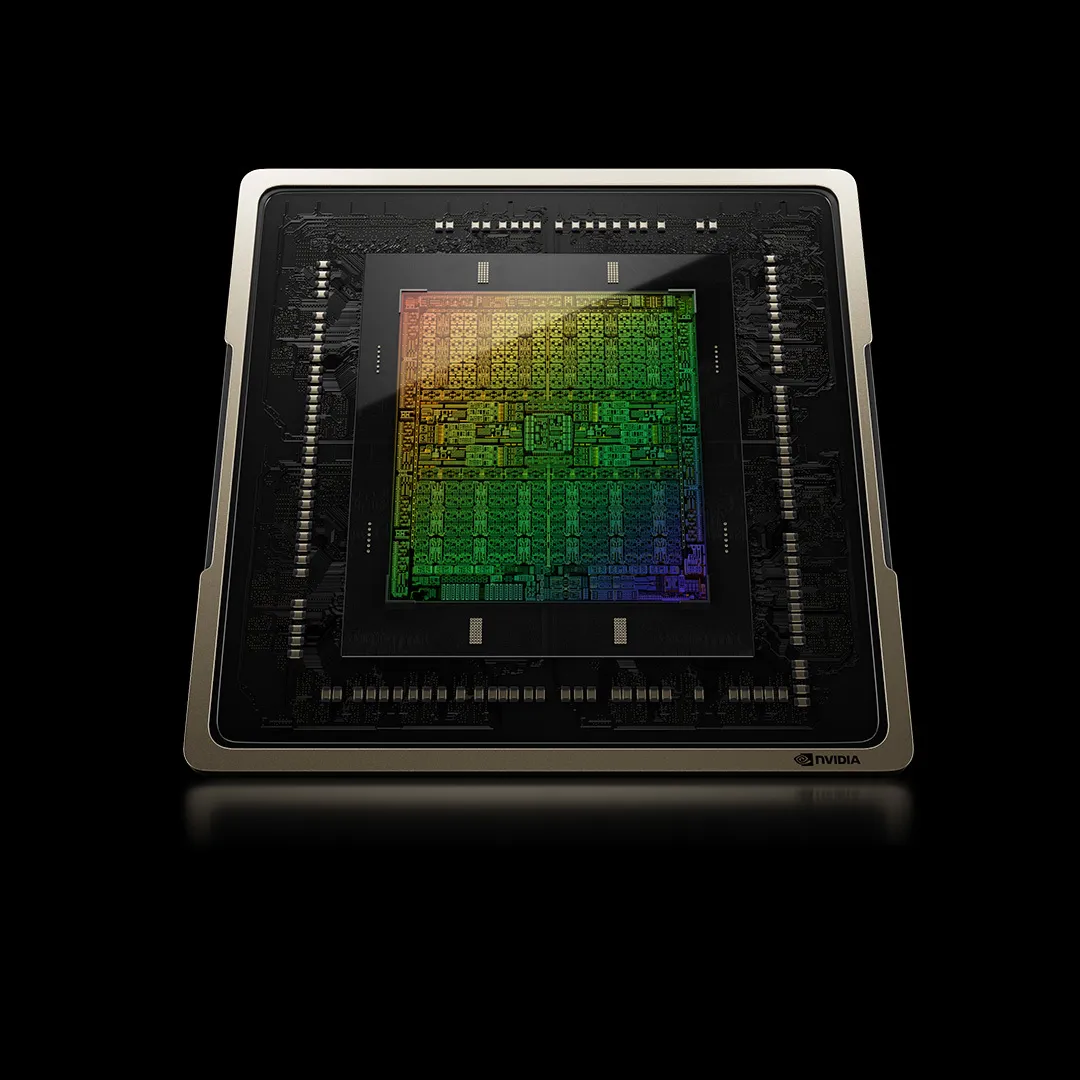
Three core hardware innovations define the Ada Lovelace generation:
New Streaming Multiprocessors (SMs): The redesigned SMs deliver up to 2X the performance-per-watt compared to Ampere, meaning you get more frames without a proportional jump in power draw. This efficiency improvement is critical for high-end builds where thermal headroom matters.
Fourth-Generation Tensor Cores: These dedicated AI processors are the engine behind DLSS 3 and unlock up to 4X the performance over traditional brute-force rendering. By offloading AI inference to specialized silicon, the Tensor Cores free up shader resources for other tasks while simultaneously producing frame counts that raw rasterization simply cannot match.
Third-Generation RT Cores: Real-time ray tracing is no longer a luxury reserved for cinematic cutscenes. The third-gen RT Cores deliver up to 2X the ray tracing throughput of the previous generation, enabling detailed shadow, reflection, and global illumination calculations at playable frame rates.
RTX 40 SUPER Series: Supercharged Upgrades
NVIDIA’s GeForce RTX 40 SUPER Series takes the already-impressive Ada Lovelace foundation and pushes it further, making it one of the most compelling upgrade windows in recent GPU history. The SUPER lineup sits between the standard RTX 40 cards and the Ti variants, offering exceptional price-to-performance ratios for builders who want enthusiast-tier results without reaching for flagship pricing.
The RTX 4080 SUPER, RTX 4070 Ti SUPER, and RTX 4070 SUPER all benefit from increased CUDA core counts, higher boost clocks, and in some cases expanded memory bandwidth compared to their non-SUPER counterparts — all while maintaining the same architectural advantages of Ada Lovelace.
Real-Time Ray Tracing: Hyperrealistic, Hyperfast
One of the most visually transformative features of the RTX 40 Series is its ray tracing capability. Unlike traditional rasterization, which approximates how light interacts with surfaces, ray tracing simulates the physical behavior of light rays — how they bounce, refract, absorb, and interact with materials in a scene. The result is photorealistic shadows, accurate reflections, and natural-looking global illumination.
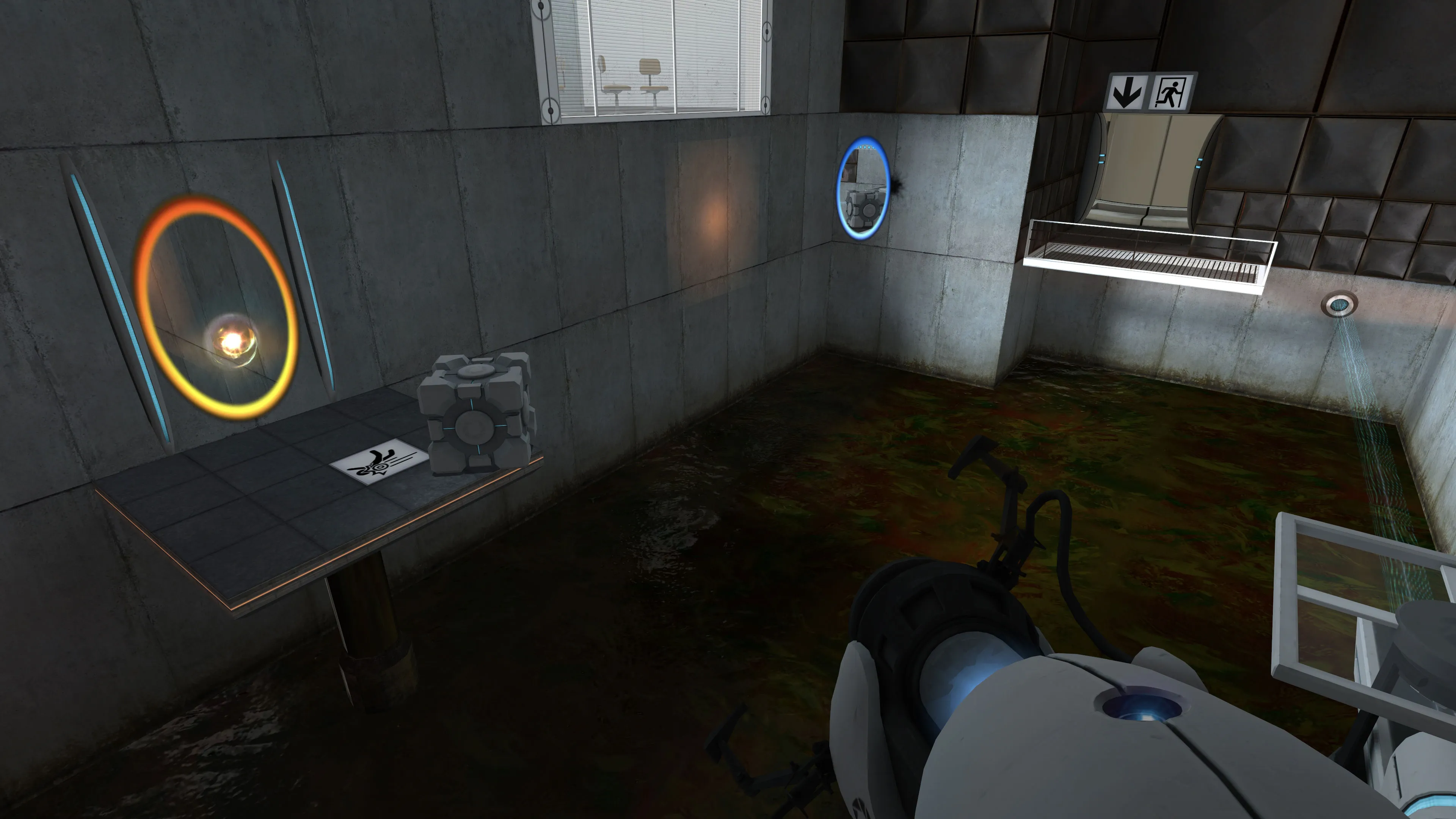
The RTX 40 Series’ third-gen RT Cores make this level of visual fidelity achievable in real time, without sacrificing playable frame rates. Games like Portal RTX and Alan Wake 2 showcase the full power of path tracing and full ray tracing on RTX 40 hardware — environments that previously required offline rendering farms can now run interactively on a consumer GPU.
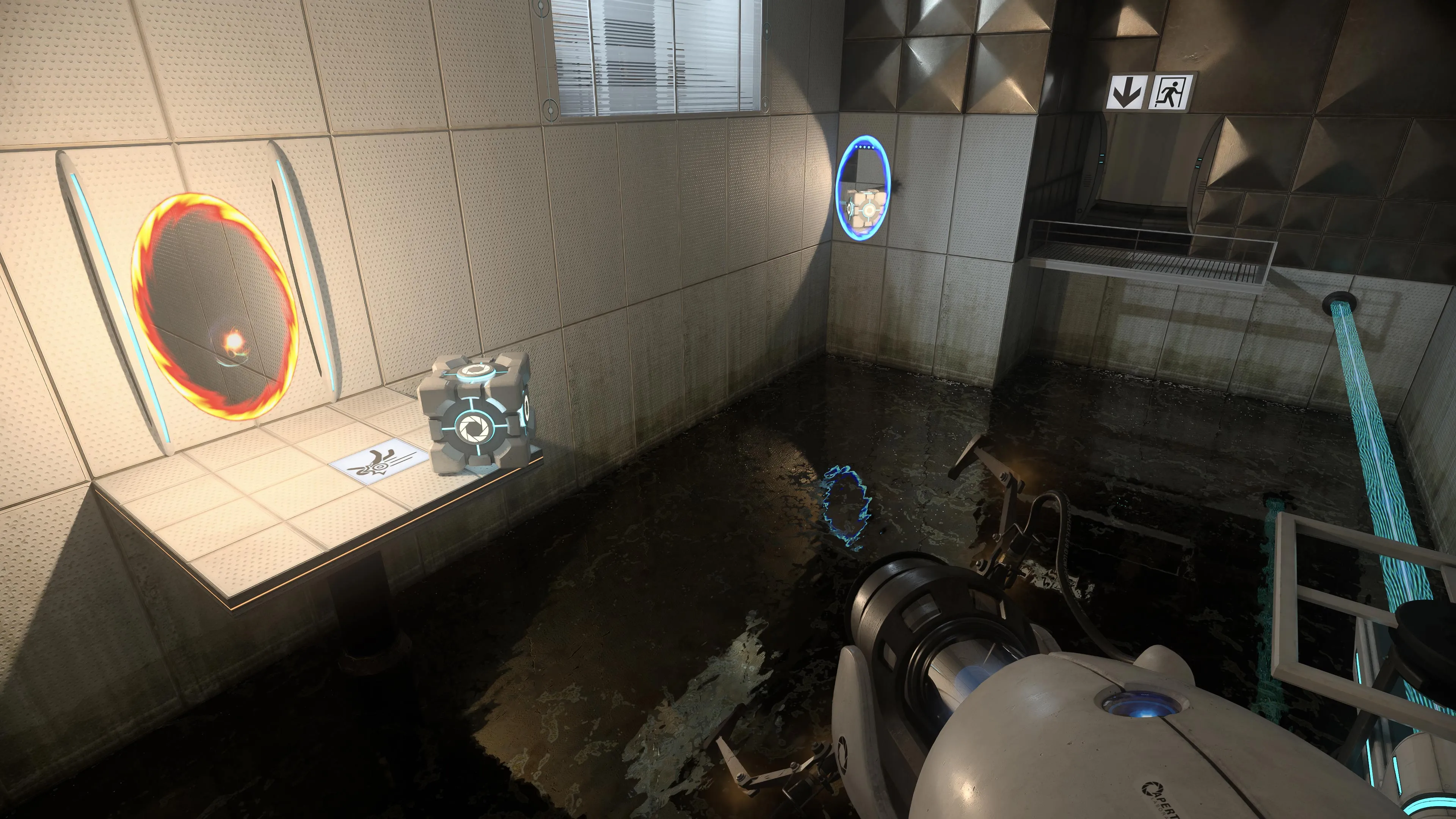
Over 500 top games and applications now support RTX features, making the ecosystem one of the most mature and widely supported in the industry.
DLSS 3: AI-Powered Frame Generation
NVIDIA DLSS 3 (Deep Learning Super Sampling) is arguably the single biggest competitive advantage the RTX 40 Series holds over competing architectures. Where DLSS 2 used AI to upscale a lower-resolution image to a higher output resolution, DLSS 3 introduces Frame Generation — an entirely new capability that uses the Optical Flow Accelerator and fourth-gen Tensor Cores to synthesize entirely new frames between rendered frames.
The practical result is extraordinary: in supported titles, DLSS 3 can multiply effective frame rates by up to 4X compared to brute-force native rendering. Titles running at 30–40 FPS natively can reach 120+ FPS with DLSS 3 enabled, all while maintaining image quality that rivals or exceeds native resolution output. This is particularly impactful in GPU-limited scenarios like 4K gaming with full ray tracing enabled.
DLSS 3 is exclusive to the RTX 40 Series due to its reliance on the new Optical Flow Accelerator hardware — older RTX 30 and RTX 20 Series cards can use DLSS Super Resolution (upscaling) but not Frame Generation.
NVIDIA Reflex: Winning the Millisecond War
In competitive gaming, the difference between winning and losing often comes down to latency. NVIDIA Reflex addresses this by optimizing the entire system latency pipeline — from mouse click to pixel on screen. By aligning CPU and GPU workloads more precisely, Reflex eliminates GPU render queue buildup, which is one of the primary sources of input lag in GPU-bound scenarios.
With GeForce RTX 40 Series GPUs, Reflex delivers the lowest system latency available on any consumer graphics platform. The technology is integrated into many of the most popular esports titles including Valorant, Apex Legends, Fortnite, and Call of Duty, and works in conjunction with NVIDIA G-SYNC displays for a tear-free, low-latency experience. The combination of Reflex and the RTX 40 Series’ raw frame rate output means competitive players get faster target acquisition, quicker reaction times, and objectively better aim precision.
NVIDIA Studio: Accelerated Creative Workflows
The RTX 40 Series isn’t just a gaming platform — it’s a professional-grade creative workstation in consumer hardware form. NVIDIA Studio encompasses a suite of hardware optimizations, certified drivers, and software tools designed specifically for content creators working in 3D rendering, video editing, visual effects, and graphic design.
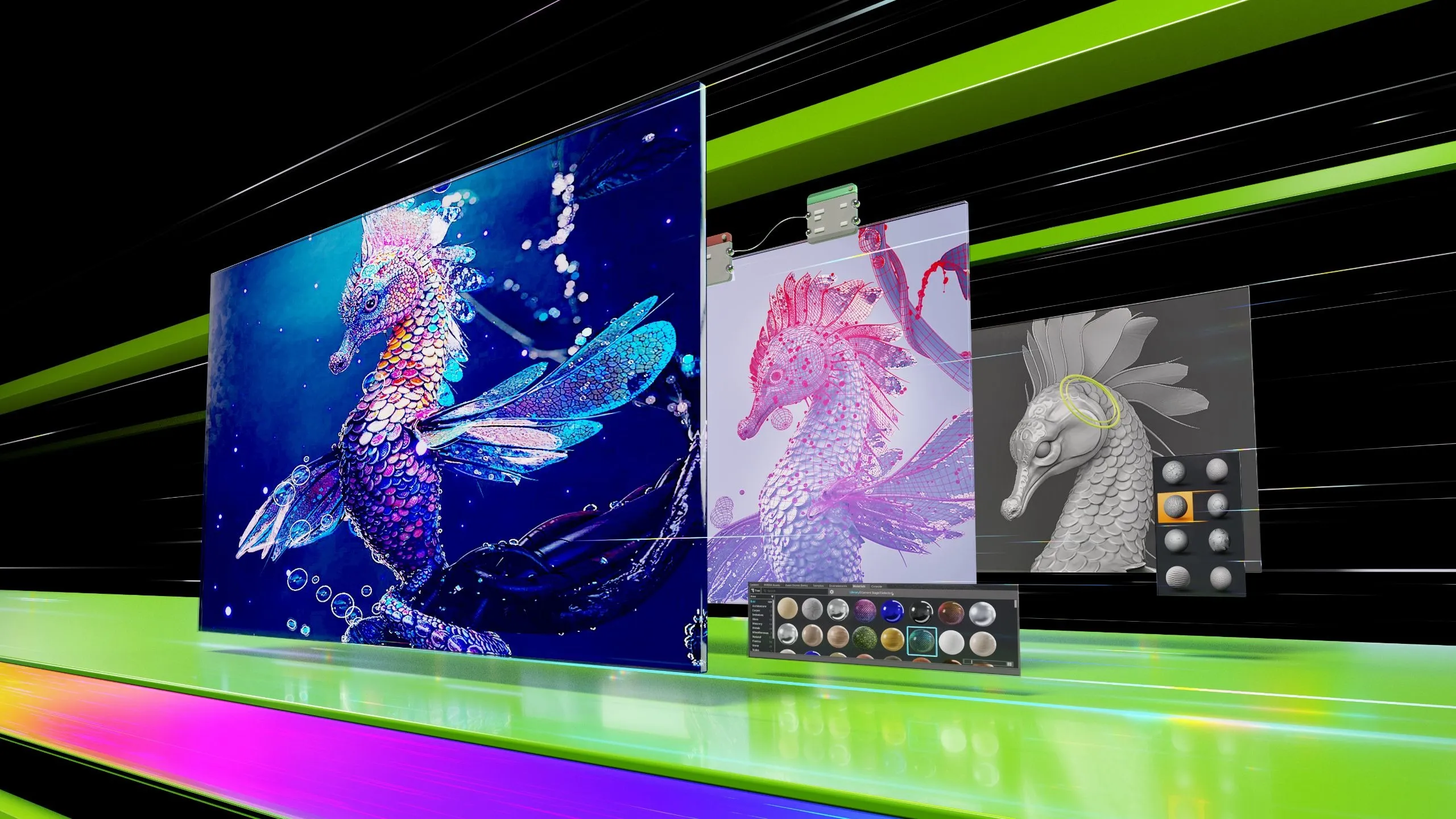 NVIDIA Studio creative workspace showcasing GPU-accelerated 3D rendering and video editing capabilities
RTX 40 Series GPUs unlock hardware-accelerated ray tracing in apps like Blender and Cinema 4D, AI-assisted features in Adobe Premiere Pro and DaVinci Resolve, and GPU-accelerated inference in tools like Topaz Video AI. NVIDIA Studio Drivers are specifically validated for stability in professional creative applications, separate from Game Ready Drivers, ensuring creators don’t have to choose between gaming performance and workflow reliability.
Performance Benchmarks Across the RTX 40 Lineup
NVIDIA’s RTX 40 Series spans from the flagship RTX 4090 down to the mainstream RTX 4060, covering resolutions from 1080p to 4K. Here’s how the lineup stacks up in tested configurations:
- RTX 4090 — The undisputed performance king, targeting 4K gaming at maximum settings with DLSS 3 Frame Generation. Paired with 24 GB of GDDR6X memory and 16,384 CUDA Cores, it handles the most demanding workloads without compromise.
- RTX 4080 SUPER — A substantial step up from the RTX 3080 Ti, delivering dramatically better performance in ray-traced titles at 4K. Benchmarks in Alan Wake 2 with Full Ray Tracing show significant leads over previous-generation alternatives.
- RTX 4070 Ti SUPER — Targets 1440p and high-refresh 4K gaming, with 8,448 CUDA Cores and 16 GB of GDDR6X memory providing substantial headroom for demanding titles.
- RTX 4070 SUPER / 4070 — The sweet spot for 1440p gaming, offering excellent DLSS 3 support and ray tracing performance at a more accessible price point.
- RTX 4060 Ti / 4060 — 1080p and entry-level 1440p cards that still benefit from the full Ada Lovelace feature set including DLSS 3, ray tracing, and Reflex.
All benchmarks were conducted at their respective target resolutions with highest in-game settings, using DLSS Super Resolution Performance or Quality Mode and Frame Generation on RTX 40 Series hardware, on an Intel Core i9-12900K system with 32 GB RAM running Windows 11.
Full Specifications at a Glance
| GPU | CUDA Cores | Boost Clock | VRAM | Memory Type |
|---|---|---|---|---|
| RTX 4090 | 16,384 | 2.52 GHz | 24 GB | GDDR6X |
| RTX 4080 SUPER | 10,240 | 2.55 GHz | 16 GB | GDDR6X |
| RTX 4080 | 9,728 | 2.51 GHz | 16 GB | GDDR6X |
| RTX 4070 Ti SUPER | 8,448 | 2.61 GHz | 16 GB | GDDR6X |
| RTX 4070 Ti | 7,680 | 2.61 GHz | 12 GB | GDDR6X |
| RTX 4070 SUPER | 7,168 | 2.48 GHz | 12 GB | GDDR6X |
| RTX 4070 | 5,888 | 2.48 GHz | 12 GB | GDDR6 / GDDR6X |
| RTX 4060 Ti | 4,352 | 2.54 GHz | 16 GB / 8 GB | GDDR6 |
| RTX 4060 | 3,072 | 2.46 GHz | 8 GB | GDDR6 |
Additional Platform Features Worth Knowing
Beyond the headline technologies, the RTX 40 Series platform includes several quality-of-life features that make it a complete ecosystem rather than just a GPU:
RTX Video Super Resolution automatically enhances web video in Chrome and Edge browsers using AI upscaling, sharpening compressed video and reducing artifacts up to 4K resolution — no manual configuration required.
NVIDIA Broadcast transforms any room into a professional streaming studio using AI-powered noise removal, virtual backgrounds, and auto-framing — all processed locally on your RTX GPU without cloud latency.
NVIDIA Encoder (NVENC) delivers hardware-accelerated streaming and recording with image quality that rivals software encoders at a fraction of the CPU overhead, making it ideal for streamers who want maximum in-game performance while broadcasting.
Resizable BAR allows the CPU to access the GPU’s full frame buffer simultaneously rather than in smaller chunks, reducing bottlenecks and improving frame rates in many titles.
NVIDIA G-SYNC compatibility ensures tear-free, smooth gameplay at variable refresh rates when paired with a supported display, eliminating screen tearing without the input lag penalty of traditional V-Sync.
Game Ready and Studio Drivers ship on separate tracks — Game Ready Drivers are tuned and tested for new game launches, while Studio Drivers prioritize stability for creative professionals. Both are available through the NVIDIA App, which also provides a unified GPU control center, in-game overlay, and recording tools.
Final Verdict: The RTX 40 Series Sets the New Standard
The NVIDIA GeForce RTX 40 Series is the most capable consumer GPU generation ever released. The Ada Lovelace architecture’s combination of raw shader performance, AI-powered frame generation via DLSS 3, next-generation ray tracing, and platform-wide features like Reflex and NVENC creates an ecosystem that no competing product currently matches in its entirety. Whether you’re building a 4K gaming rig around the RTX 4090, upgrading a 1440p setup with the RTX 4070 SUPER, or equipping a content creation workstation with an RTX 4080, every tier of the RTX 40 lineup delivers generational improvements that justify the upgrade from RTX 30 Series and earlier.
If you’re a gamer looking to future-proof your system, a creator who needs GPU-accelerated rendering and AI tools, or a competitive player who needs the lowest possible system latency, there has never been a better time to move to GeForce RTX 40 Series.
References:
- NVIDIA GeForce RTX 40 Series Official Page: https://www.nvidia.com/en-us/geforce/graphics-cards/40-series/
- NVIDIA Ada Lovelace Architecture Overview: https://www.nvidia.com/en-us/geforce/ada-lovelace-architecture/
- NVIDIA DLSS 3 Technology: https://www.nvidia.com/en-us/geforce/technologies/dlss/
- NVIDIA Reflex Low Latency Platform: https://www.nvidia.com/en-us/geforce/technologies/reflex/
- NVIDIA Studio Creative Platform: https://www.nvidia.com/en-us/studio/