
Confident and effortlessly at home whether parked outside the Casino de Monte-Carlo or crossing the dunes of the Sahara, the Range Rover has spent more than five decades proving that luxury and capability were never meant to be separate ideas. The Range Rover history is a rare story in the automotive world: a single nameplate that has remained relevant, desirable, and technically groundbreaking since its debut, setting the template that every luxury SUV on the road today still follows.
The Original Vision Behind the Range Rover
The idea was simple but ambitious — combine the on-road comfort and refinement of a Rover saloon with the legendary off-road ability of Land Rover. The result was the world’s first true luxury SUV. When it launched globally in June 1970, the marketing line said it all: “A car for all reasons.” That single sentence captured an entirely new category of vehicle, one that could handle a muddy trail in the morning and a formal dinner in the evening without missing a beat.
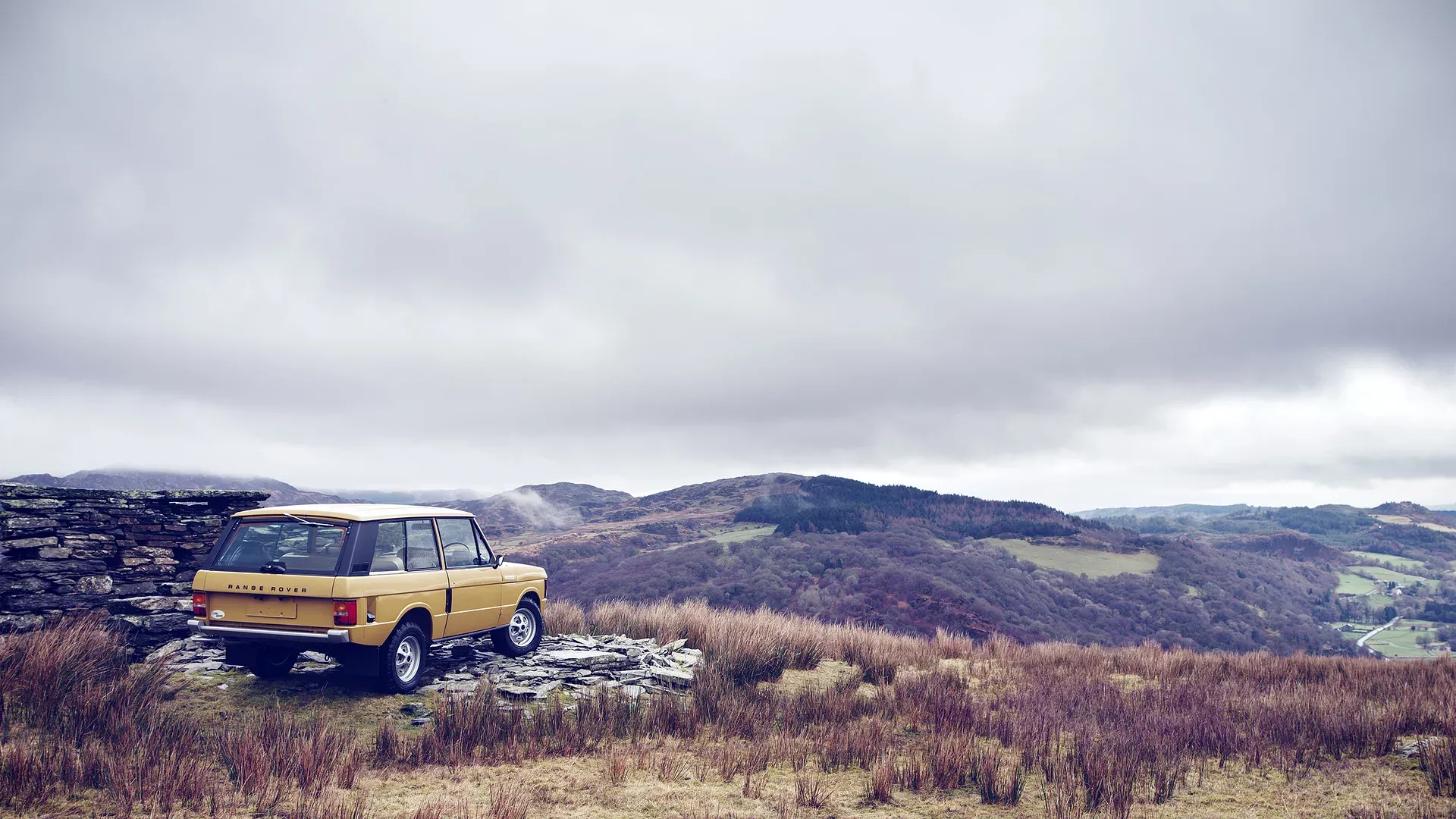
Five Decades of Evolution
The Range Rover’s evolution across generations tells the story of continuous engineering ambition. The first generation, launched with a lightweight aluminum V8 engine, permanent four-wheel drive, and four-wheel disc brakes, set a new benchmark for what an off-roader could be. The second generation, known internally as the P38a, introduced a longer wheelbase, a redesigned monocoque body, and an upgraded electronic air suspension system for a smoother, more composed ride.
The third generation brought fully independent four-wheel air suspension and was famously put through its paces during test drives across demanding Scottish estates. By the time production reached its 500,000th unit at the Solihull plant in the UK, the Range Rover had firmly established itself as one of the most enduring names in the SUV segment — a milestone few luxury vehicles ever reach.
The launch of the Range Rover Sport added a sportier, more dynamic sibling to the lineup, arriving with 4.4-liter V8 and supercharged 4.2-liter V8 engine options. Then came the fourth generation, unveiled at London’s Royal Ballet School, which made history as the world’s first all-aluminum monocoque SUV — a major leap in reducing weight while improving rigidity and efficiency.
Records, Ridges, and Remarkable Feats
Few vehicles have been tested against terrain as extreme as the Range Rover. The Range Rover Sport SVR became the fastest SUV ever produced for commercial sale, while a Range Rover Sport Plug-in Hybrid made history as the first vehicle to climb the 999-step staircase at Heaven’s Gate in China, tackling a 45-degree gradient that would challenge even dedicated climbing vehicles. In Iceland, another Range Rover Sport set a world record by ascending the steep spillway of the Kárahnjúkar Dam.
These feats weren’t simply publicity stunts — they reflected genuine engineering confidence. Long before headline-grabbing records, the original Range Rover proved its off-road pedigree in 1972 by becoming the first vehicle to complete a 29,000-kilometer trans-Americas expedition organized by the British Army, a journey that included navigating the notoriously treacherous Darién Gap in South America.
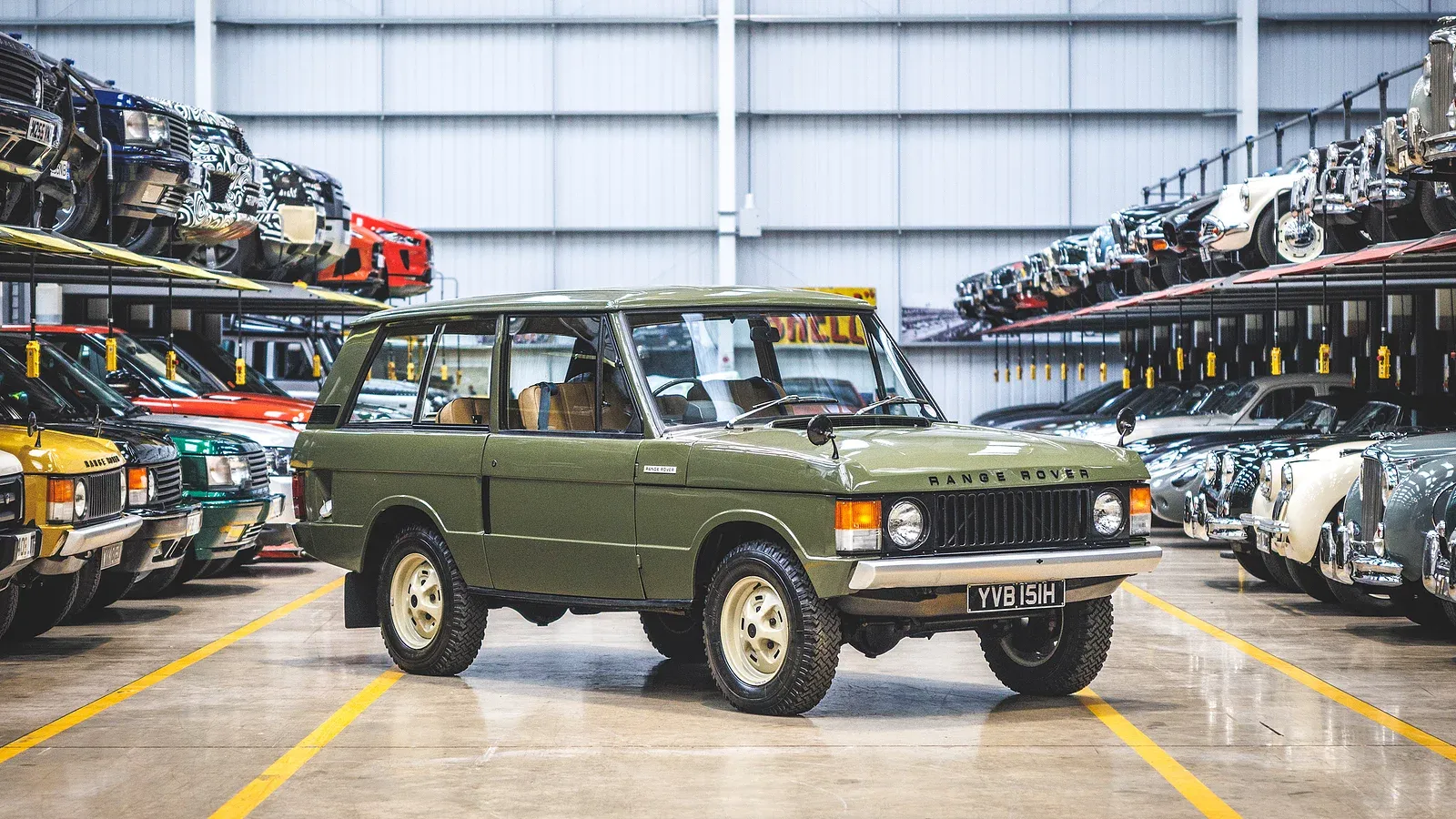
Pioneering Technology at Every Turn
From the outset, the Range Rover broke new ground as the first SUV fitted with permanent four-wheel drive, and it has never stopped innovating since. In 1989, it became the world’s first 4×4 to feature anti-lock braking (ABS). Just three years later, in 1992, the Range Rover again led the industry by introducing both electronic traction control and fully automatic electronic air suspension in a 4×4 for the first time.
The innovation continued into the 21st century. In 2009, the Range Rover debuted the world’s first Adaptive Dynamics suspension system, and by 2012 it had become the first SUV built with a fully aluminum body structure — a shift that made the vehicle lighter, stiffer, and significantly more efficient without compromising luxury or capability.
As Gerry McGovern, Chief Creative Officer at JLR, has put it, the Range Rover was born from the ambition to create an entirely new and singular kind of driving experience — a philosophy that continues to guide every generation of the model.
A Cultural Icon Beyond the Road
The Range Rover’s influence extends well past the automotive world. In 1971, the Louvre in Paris displayed a Range Rover as a genuine work of design, complete with a scaled quarter-size model exhibited alongside it — a rare honor for any vehicle. That same year, it received the prestigious Dewar Trophy, awarded for the greatest British technical achievement in the motor industry.
Its cultural footprint runs just as deep on screen and in popular culture. The Range Rover has appeared in more than 1,400 films and television productions, including five James Bond installments, and has long been the vehicle of choice for global figures such as Paul McCartney, Michael Jordan, and Tom Cruise. Even Queen Elizabeth II was famously photographed behind the wheel of her own Range Rover on numerous occasions, cementing its status as a vehicle trusted by royalty and celebrities alike.
Preserving the Legacy: Classic Range Rover Ownership
For owners of classic Range Rover models, maintaining that legacy today means access to genuine servicing, original parts, and lifestyle accessories designed specifically to keep these historic vehicles running as intended. This dedicated support ensures that the earliest examples of the model — the very vehicles that started the luxury SUV segment — remain roadworthy and true to their original engineering for generations of enthusiasts to come.
Final Thoughts
Few vehicles can claim to have created an entirely new segment and then continued to lead it for more than fifty years. The Range Rover history is one of constant reinvention — from the first aluminum V8 engine to the first all-aluminum monocoque body, from Louvre exhibition halls to Icelandic dam spillways. It remains a rare example of a vehicle equally at home on a red carpet and a remote trail, a legacy built on genuine engineering firsts rather than marketing alone. Whether you’re a longtime admirer of the marque or discovering its story for the first time, the Range Rover’s journey is a reminder of what happens when uncompromising design meets relentless innovation. Share your thoughts on the Range Rover’s evolution, or explore more in-depth reviews of the latest models in the lineup.
References
- Jaguar Land Rover (JLR) Official Media Archive. Retrieved from https://media.jaguarlandrover.com
- JLR Corporate Heritage Communications, Range Rover: A Car for All Reasons (Press Materials).