
Introduction
Step back in time to 1961, a pivotal year in the career of Elvis Presley, and immerse yourself in the enchanting melodies of “Hawaiian Wedding Song.” This iconic track, featured in the beloved film Blue Hawaii, is more than just a song; it’s a gateway to a golden era of American music that continues to captivate audiences worldwide. This article delves into the recording, release, and cultural significance of “Hawaiian Wedding Song,” exploring its place within Elvis’s extensive catalog and the broader landscape of mid-20th-century music.
The Making of “Hawaiian Wedding Song”
Recorded on March 22, 1961, at Radio Recorders in Hollywood, California, “Hawaiian Wedding Song” was a key component of the soundtrack for Elvis’s film Blue Hawaii. The song, originally by Charles King, Al Hoffman, and Dick Manning, was reimagined by Elvis, infusing it with his signature style. The recording session that day also produced other memorable tracks, showcasing Elvis’s prolific output during this period.
Blue Hawaii: A Cinematic and Musical Triumph
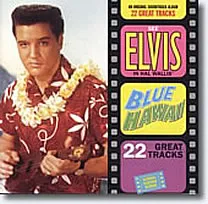
Released in October 1961, the Blue Hawaii soundtrack became Elvis’s biggest-selling movie album. It dominated the Billboard albums chart for 20 weeks, a record for a rock performer at the time, and remained on the chart for an impressive 79 weeks, eventually earning double platinum status. The film itself was a massive success, further cementing Elvis’s status as a global icon.
1961: A Landmark Year for Elvis Presley
The year 1961 was incredibly significant for Elvis Presley, marked by numerous public appearances, honors, and intensive recording sessions. On February 25, 1961, Elvis was honored in Memphis with a luncheon showcasing his recent awards, followed by a press conference where “Elvis Presley Day” was proclaimed by Tennessee Governor Buford Ellington. This period also saw Elvis donating to numerous Memphis charities, a testament to his philanthropic spirit.
On March 8, 1961, Elvis addressed the Tennessee State Legislature in Nashville, accepting the prestigious title of “Honorary Colonel”. The following days were dedicated to recording sessions at RCA Studio B in Nashville, where he laid down tracks like “I Feel So Bad” and “It’s a Sin”.
Recording Sessions and Soundtrack Production
The latter half of March 1961 was largely dedicated to recording the music for Blue Hawaii. Elvis worked at Radio Recorders in Hollywood, capturing songs such as “Blue Hawaii,” “Island of Love,” and the titular “Hawaiian Wedding Song”. He also recorded the movie version of “Can’t Help Falling in Love,” another enduring classic from the film.
The Enduring Legacy of “Hawaiian Wedding Song”
“Hawaiian Wedding Song” remains a beloved tune, embodying the romantic and escapist spirit of early 1960s music. Its gentle melody and heartfelt lyrics continue to resonate with fans, offering a glimpse into the charm and charisma that defined Elvis Presley’s career. The song, alongside the success of Blue Hawaii, highlights Elvis’s unique ability to blend musical genres and connect with a broad audience.
Exploring Elvis’s Musical Journey
For fans eager to delve deeper into Elvis’s musical evolution, exploring his discography from this era provides invaluable insight. Albums like Something for Everybody (1961) and Blue Hawaii (1961) showcase his versatility and enduring appeal [cite:2, cite:5]. Furthermore, releases such as the “Tupelo’s Own Elvis Presley DVD” offer rare glimpses into his early performances, capturing the raw energy that first propelled him to stardom.
Conclusion
“Hawaiian Wedding Song” stands as a testament to Elvis Presley’s enduring musical legacy. Recorded in a year filled with professional milestones and personal accolades, the song and its accompanying film, Blue Hawaii, continue to be celebrated. It invites listeners to revisit the magic of a bygone era, proving that the timeless melodies of “Oldies Music” truly stand the test of time. Discover more of these unforgettable tunes and keep the spirit of classic American music alive.