
Embarking on a career in conservation detection dog work presents a significant challenge due to the scarcity of opportunities and intense competition. Previous discussions have touched upon pathways into this specialized field, including insights on becoming a conservation dog handler and general advice for aspiring K9 conservationists. For those dedicated to initiating or advancing their careers in this critical area, a curated selection of books can provide the foundational knowledge and advanced understanding necessary to succeed. This guide offers a comprehensive list of essential reading, categorized to cover theoretical underpinnings, practical scentwork training, and a deeper understanding of canine behavior.
Foundational Texts: Deep Dives into Scent and Search Theory
For handlers aiming to master the nuances of scent dynamics and effective search strategies, these books offer a robust theoretical framework. Understanding how a dog’s extraordinary sense of smell interacts with environmental factors is paramount.
Detector Dogs and Scent Movement: How Weather, Terrain, and Vegetation Influence Search Strategies delves into the intricate science behind scent. It explores the physiology of a dog’s olfactory system, the properties of scent, and crucially, how external conditions like weather, terrain, and vegetation impact a dog’s ability to detect and track. The book also provides practical guidance on developing search strategies tailored to diverse environments, from dense forests to open fields and riverbanks.
The Cadaver Dog Handbook, though primarily focused on human remains detection, offers invaluable insights into the fundamental principles of search strategy, detection dog training, and scent theory. It has been recommended by leading organizations in the field and serves as a cornerstone for understanding the basics of detection work, which are transferable to conservation tasks.
Using Detection Dogs to Monitor Aquatic Ecosystem Health and Protect Aquatic Resources is a specialized guide for those interested in conservation work within or near aquatic environments. This comprehensive textbook integrates ecological monitoring, canine training, eco-toxicology, and resource management. It details the optimal application of canine skills for various conservation goals, including species monitoring, water quality assessment, anti-poaching efforts, and raising public awareness.
Canine Ergonomics: The Science of Working Dogs provides a scientific perspective on working dogs, covering cognition, behavioral assessments, and physiology. While not exclusively focused on conservation, it addresses the crucial need to move beyond anecdotal evidence in working dog knowledge, offering a valuable scientific overview. Despite its 2009 publication date, it remains a significant resource for understanding working dog science.
Practical Scentwork Training: Skill-Building Through Drills and Workbooks
Developing a strong scent detection foundation requires consistent and varied training. These books offer practical exercises and step-by-step guidance to enhance a dog’s scenting abilities.
The Super Sniffer Drillbook presents a user-friendly collection of games and exercises designed for detection dogs. It’s an excellent resource for both novice and experienced handlers looking to introduce new training activities and refine their dog’s scentwork skills.
Imprint Your Detection Dog in 15 Days: A Step-by-Step Workbook is a comprehensive guide for newer handlers, based on positive reinforcement methods. Written by an experienced handler, this workbook requires no assistant and provides a structured approach to imprinting scent. It also serves as a valuable reference for experienced handlers tackling troubleshooting or reinforcing fundamental skills.
While slightly dated, Scent and Scenting Dog remains an excellent primer on the foundational aspects of tracking and detection dog work. For those new to the field or seeking a gift for an aspiring handler, it offers a solid introduction. However, for more serious handlers, “Detector Dogs and Scent Movement” is often recommended for its in-depth coverage.
Understanding Canine Cognition and Behavior: The Key to Effective Partnership
A handler’s ability to understand and interpret their dog’s behavior is critical for successful detection work. These books explore canine ethology, cognition, and genetics, providing a deeper appreciation for the canine mind.
Meet Your Dog offers a transformative perspective on dog ownership by viewing dogs through the lens of ethology—an approach that integrates genetics, learning, environment, and the individual “self” of the dog. This understanding is crucial for effective training and addressing breed-specific challenges within the working dog community.
Genius of Dogs by Brian Hare illuminates the intelligence and problem-solving capabilities of dogs, drawing on discoveries from the Duke Canine Cognition Lab. This book helps handlers better understand the cognitive processes of their canine partners.
Genetics and the Social Behavior of Dogs, though an older text, provides essential background on dog genetics and behavior, summarizing decades of research. It lays the groundwork for much of the modern science concerning canine behavior.
Inside of a Dog: What Dogs See, Smell, and Know offers an accessible yet profound exploration of a dog’s sensory world, including scent processing and visual perception. It is an excellent starting point for handlers seeking to truly understand their dog’s perception of the world.
What the Dog Knows chronicles the experiences of a cadaver dog team, blending storytelling with interviews. This engaging read delves into the cognition, history, breeding, and training of search dogs, providing valuable insights into their world.
Specialized Training and Inspirational Reads
Beyond core scentwork and behavior, these books address specific training challenges and showcase the broader impact of conservation detection dogs.
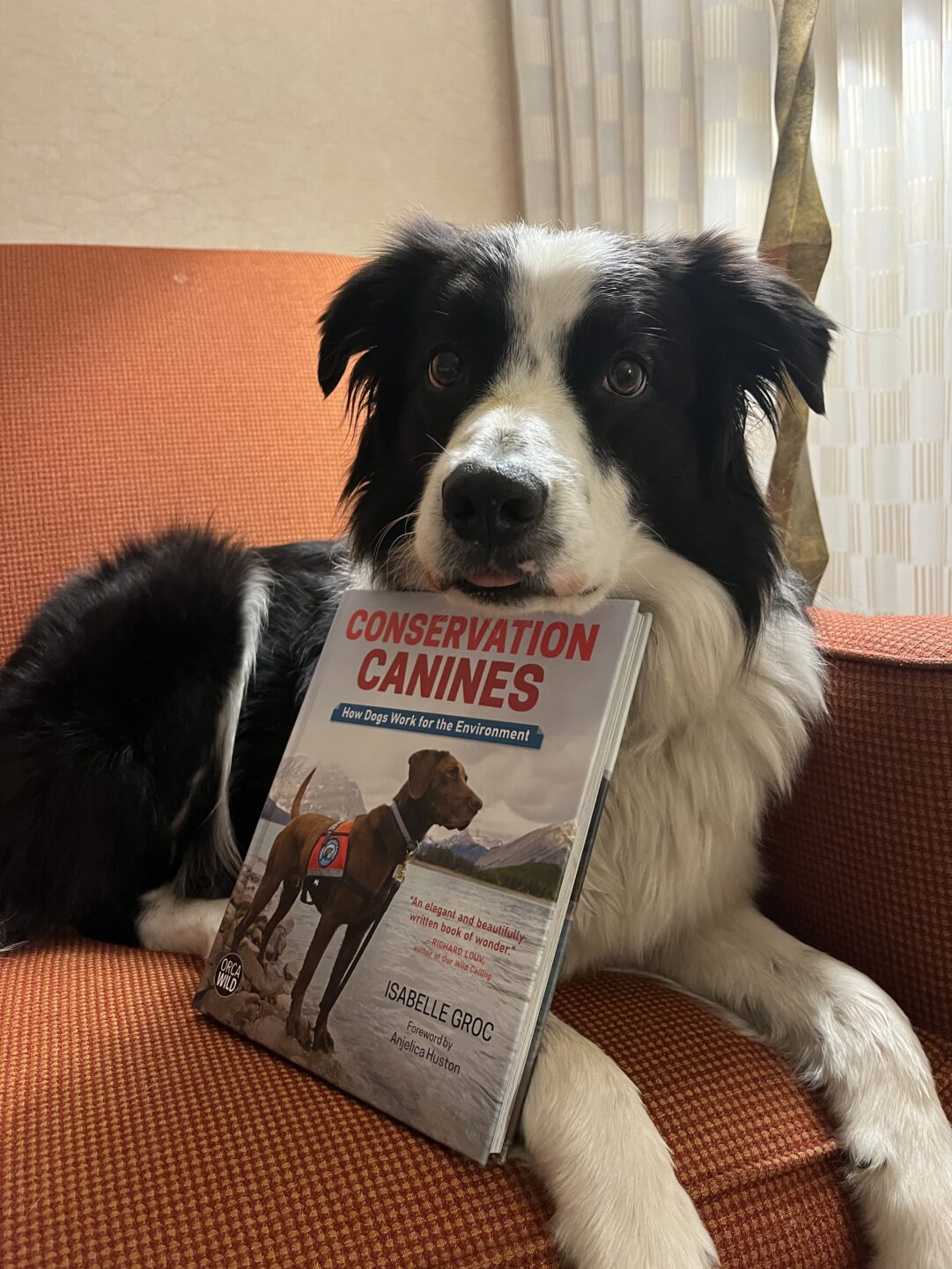
Conservation Canines: How Dogs Work for the Environment is a visually stunning book highlighting the diverse roles dogs play in environmental conservation, featuring prominent organizations and various types of conservation work. It’s an inspiring read for anyone passionate about dogs and ecology.
Fired Up, Frantic, and Freaked Out offers practical strategies for managing and redirecting the energy of highly driven working dogs. It provides tools to help working dogs remain happy and relaxed, especially during periods of lower activity.
Control Unleashed complements Fired Up by focusing on helping high-energy dogs thrive in various environments, including training scenarios and public settings. It’s particularly beneficial for handlers aiming to improve their dog’s ability to relax and focus.
The Culture Clash serves as an excellent introductory text for those new to professional dog training and behavior. It provides a foundational understanding of dog behavior and training methodologies, essential for working effectively with a K9 partner.