
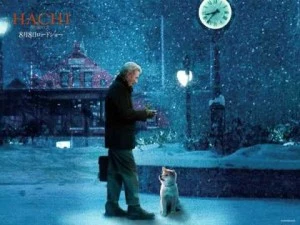
The Richard Gere husky movie is Hachi: A Dog’s Tale (2009). Although many viewers mistake the dog for a husky, Hachi is an Akita Inu. The film stars Richard Gere as Parker Wilson and adapts the real Hachikō story about a loyal dog remembered for waiting at Shibuya Station.
Many movie fans search for the Richard Gere husky movie when trying to identify the emotional dog film about a man and his incredibly loyal companion. The movie they are looking for is Hachi: A Dog’s Tale (2009), and after reading this guide, you will be able to recognize the Akita Inu breed featured in the story, understand the real Hachikō story behind it, and separate historical events from Hollywood adaptations.
The Richard Gere dog movie is called Hachi: A Dog’s Tale, a 2009 drama directed by Lasse Hallström. It stars Richard Gere as Parker Wilson, a college professor who forms a powerful bond with a dog named Hachi. Although many viewers mistake the dog for a husky, the film actually features an Akita Inu, a Japanese breed connected to the real-life story of Hachikō, the faithful dog remembered for waiting at Shibuya Station after his owner’s death.
Richard Gere’s Husky Movie Is Actually Hachi: A Dog’s Tale
The confusion around the Richard Gere husky movie comes from the appearance of the dog on screen. Hachi has a thick coat, pointed ears, and a wolf-like face, features that many casual viewers associate with huskies. However, the dog in Hachi: A Dog’s Tale is an Akita Inu, a breed with a different history, body structure, and temperament.
The film is a Japanese dog story adaptation created for an international audience. Instead of reproducing the original setting exactly, it reimagines the relationship between Hachikō and his owner through an American family drama. Richard Gere plays Parker Wilson, a fictionalized version of the relationship between the real dog Hachikō and Professor Hidesaburo Ueno.
The movie’s central idea remains simple: a dog continues returning to the train station connected with his owner, showing a level of attachment that made Hachikō a symbol of pet loyalty around the world. Audience reactions have often focused on the emotional bond between the dog and owner, while critical responses have varied on how effectively the human storyline develops.
The Husky Confusion Behind Richard Gere’s Dog Movie
The term "husky" appears frequently in searches because Akitas and huskies can share some visual features. Both breeds have dense double coats, upright ears, and facial markings that can create a similar first impression in photographs or movie scenes.
A closer look reveals important differences. An Akita has a broader head, a heavier build, and a curled tail carried over the back. A Siberian Husky is generally built for speed and endurance, with a lighter frame and a tail commonly carried in a sickle shape when alert.
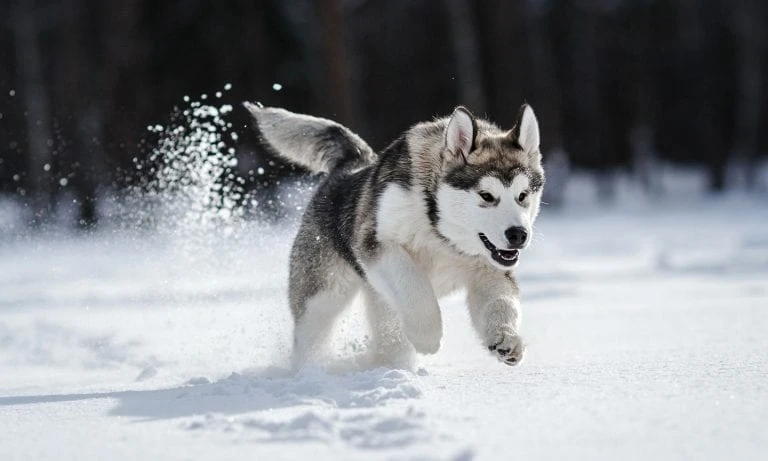
The mistake is understandable because movie viewers often identify dogs through color patterns before examining structure. The dog’s red-and-white coloring, thick coat, and expressive face can lead someone searching online to describe Hachi as a husky even though the breed shown is Akita.
Another reason the confusion continues is that emotional dog movies are often shared through short clips and social media images where breed details are not explained. A viewer who remembers only the appearance of the dog may search for a "Richard Gere dog film" using a familiar breed name rather than the actual one.
Akita Inu Traits That Define Hachi’s On-Screen Loyalty
The Akita Inu is central to understanding why Hachi looks and behaves differently from many other famous movie dogs. The breed’s appearance and historical role in Japan help explain why the film’s portrayal feels connected to the original Hachikō story.
From an editorial review of dog breed content, the key distinction to check is not just coat color but the combination of physical markers and behavior. A thick coat alone does not identify an Akita; the head shape, tail carriage, and overall build provide stronger clues.
Physical traits distinguishing an Akita from a husky
The easiest way to separate the two breeds is to compare the visible features that viewers can check in the film.
Trait comparison
| Trait | Akita Inu | Siberian Husky |
|---|---|---|
| Body structure | Large, compact, muscular frame with a broad head and sturdy build | Medium-sized athletic frame designed for speed and sled endurance |
| Tail carriage | Thick curled tail carried over the back | Bushy tail usually carried in a sickle shape when alert |
| Coat appearance | Dense double coat with colors including red, white, brindle, and sesame | Dense double coat commonly seen in gray, black, red, or white patterns with facial markings |
| Temperament | Independent, reserved, deeply devoted to its family bond | Social, energetic, and often more outwardly playful with people and dogs |

When checking whether a dog resembles an Akita, look for these visible and behavioral markers:
- Identify the curled tail carried over the back as one of the clearest Akita breed signals.
- Check for a dense double coat combined with a broad head shape rather than relying only on fur color.
- Note the compact muscular build, which differs from the lighter racing-oriented structure of a husky.
- Recognize the combination of independence and strong attachment that is commonly associated with Akita temperament.
- Compare Hachi’s calm persistence with the historical image of the Akita as a Japanese hunting and guardian breed.
Temperament traits that shaped the real Hachiko’s devotion
The emotional power of Hachi: A Dog’s Tale comes partly from how the Akita’s characteristics fit the loyalty theme. Akitas are often described as independent dogs that form strong bonds with their families, and this relationship style is different from breeds known primarily for constant social excitement.
The film uses Hachi’s quiet behavior to support the story’s emotional tone. Instead of presenting loyalty through energetic displays, the movie emphasizes patience, routine, and returning to the same place repeatedly.
A useful way to analyze Hachi’s loyalty is to separate breed traits from storytelling choices:
- Identify the bond between the Akita and its owner. The relationship shown in the film depends on attachment built through daily interaction.
- Match the behavior shown in the film with known Akita tendencies. Calm focus and devotion are different from simple friendliness toward everyone.
- Separate fictional scenes from documented historical actions. The real Hachikō story provides the foundation, while the movie adds dramatic elements.
The Akita’s characteristics amplify the film’s emotional impact, but the story is also shaped by individual personality, environment, and the relationship created between a dog and a person.
Real Hachiko Story vs the Richard Gere Film Adaptation
The true story behind the Richard Gere dog movie began in Japan with Hachikō, an Akita owned by Professor Hidesaburo Ueno. After Ueno died, Hachikō continued returning to Shibuya Station, where the two had previously met during their daily routine.
The Hollywood version keeps the emotional foundation but changes many details. The movie moves the story from 1920s Japan to a modern American setting and replaces the historical figures with fictional characters designed for international audiences.
Story comparison
| Story Element | Hachi: A Dog’s Tale | Original Hachiko Story |
|---|---|---|
| Owner figure | Parker Wilson, an American college professor played by Richard Gere | Hidesaburo Ueno, a Japanese professor at the University of Tokyo |
| Location | A fictional American town with a suburban and college setting | Shibuya Station in Tokyo, Japan |
| Historical period | Modernized setting based on a 2009 American remake | Japan in the 1920s during Hachiko’s lifetime |
| Cultural focus | Emphasizes a family bond and emotional storytelling for international audiences | Centers on a national symbol of loyalty remembered in Japan |

The biggest adaptation change is the setting. The real Hachikō story is closely connected to Shibuya Station in Tokyo, while the film creates an American environment where viewers follow Parker Wilson’s family life and relationship with Hachi.
The characters also change significantly. Professor Ueno was a Japanese academic, while Parker Wilson is written as an American professor with a different family background. The emotional connection between owner and dog remains the same theme, but the surrounding human story is redesigned.
In practical movie analysis, the easy-to-miss step is separating documented history from dramatic interpretation. The repeated waiting behavior and connection to a deceased owner are the historical foundation, while scenes involving specific family moments, dialogue, and emotional pacing belong to the film adaptation.
The ending and emotional structure are also shaped for a Hollywood audience. The movie expands the personal relationships around Hachi, creating a broader family-centered drama rather than only focusing on the historical record of a dog waiting at a station.
Where to Stream Hachi: A Dog’s Tale Today
Availability for Hachi: A Dog’s Tale changes by country and streaming service, so viewers should check current listings in their region before choosing where to watch. The film may appear through subscription services, digital rental platforms, digital purchase options, or physical media depending on location.
For viewers searching specifically for the emotional dog movie starring Richard Gere, confirm the title before renting or buying. Several dog films share similar themes, but Hachi: A Dog’s Tale is the one connected to the Akita Inu and the Hachikō story.
Common viewing options include:
- Check major streaming catalogs available in your country for Hachi: A Dog’s Tale.
- Look for digital rental or purchase listings when subscription availability changes.
- Consider DVD or Blu-ray copies if the movie is unavailable through current streaming platforms.
- Verify the release year and Richard Gere’s name before selecting a similarly titled dog film.
Streaming availability is regional, so the fastest way to avoid confusion is to search using the full title rather than only "Richard Gere husky movie."
Check your preferred streaming service today by searching for Hachi: A Dog’s Tale exactly as written, because that title will lead you to the correct Akita film rather than another dog movie with a similar description.
FAQ
Is Hachi: A Dog’s Tale suitable for children?
Yes, Hachi: A Dog’s Tale is a family drama centered on the bond between a person and a dog. However, its emotional story about loyalty, loss, and devotion may be especially moving for younger viewers.
How long is Hachi: A Dog’s Tale?
Hachi: A Dog’s Tale is a 2009 drama film directed by Lasse Hallström. The provided film details identify the movie and year but do not specify its runtime.
Who wrote the screenplay for Hachi: A Dog’s Tale?
The provided details identify Hachi: A Dog’s Tale as a 2009 drama directed by Lasse Hallström and describe its adaptation of the Hachikō story, but they do not provide the screenplay writer’s name.
Did multiple dogs play Hachi in the film?
The film features Hachi, an Akita Inu character based on the real Hachikō story. The provided information does not specify whether multiple dogs were used to portray Hachi.
Is Hachi: A Dog’s Tale a remake of another film?
The film is a Japanese dog story adaptation based on the real Hachikō story. The provided details describe its Hollywood adaptation and changes in setting and characters but do not confirm whether it is a remake of another specific film.