
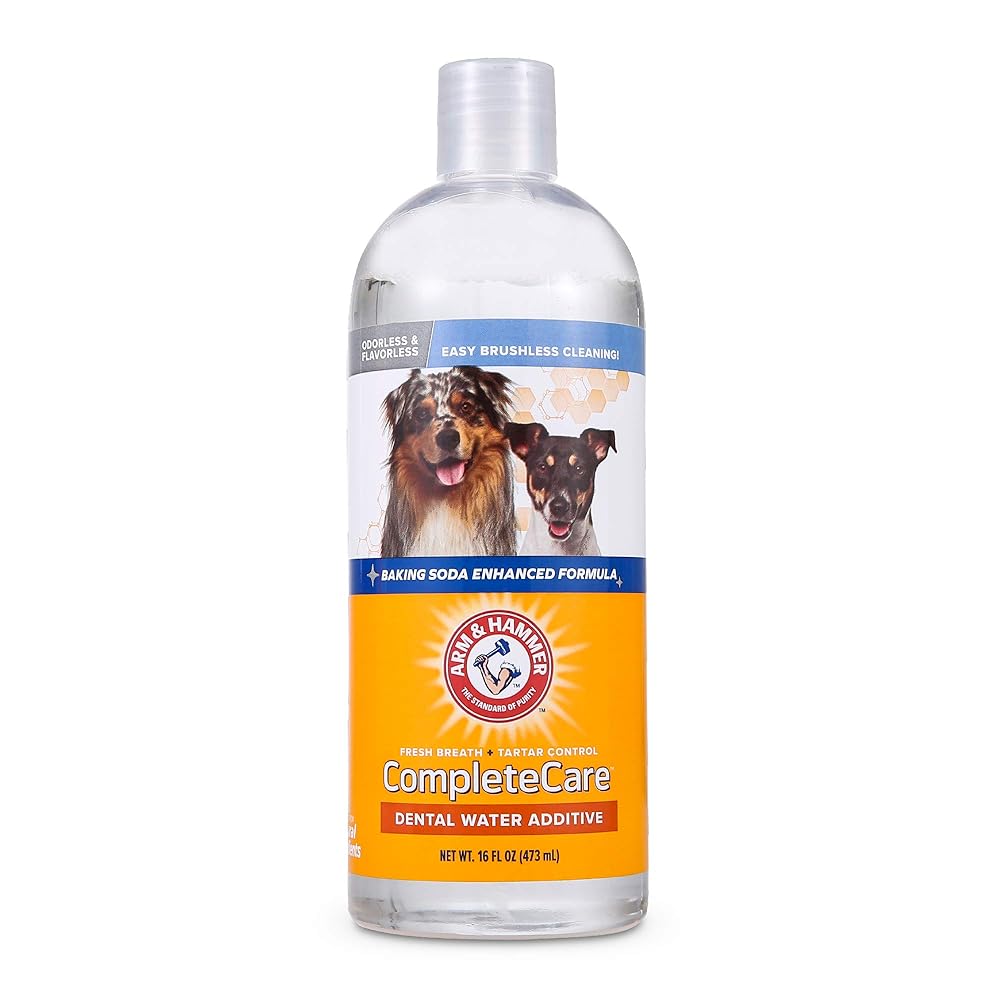
Bad breath in dogs is a common concern for pet owners, but it doesn’t have to be a constant battle. Dog water additives offer a simple and effective way to combat unpleasant odors and improve your pup’s overall oral hygiene. Whether you prefer a natural approach or a commercially formulated product, understanding the benefits and potential risks is key to keeping your dog’s breath fresh and their health in check.
The Benefits of Dog Water Additives
Dental water additives are designed to clean and freshen a dog’s mouth, contributing significantly to their oral health. By reducing the amount of harmful bacteria in the mouth, these additives help prevent common dental issues like tooth decay and gum disease. This is crucial because excessive bacteria can not only affect the mouth but also enter the bloodstream, potentially harming vital organs and triggering various diseases. Furthermore, the same antibacterial properties that benefit your dog’s mouth also work to keep their water bowl cleaner, minimizing the presence of dangerous bacteria before it’s even ingested. Regular use of water additives can be a valuable component of your at-home oral care routine for your dog.
Homemade Dental Water Additives
For pet parents who favor natural solutions, several common household items can serve as effective dental water additives.
- Coconut Oil: Known for its antifungal and antibacterial properties, coconut oil can help fight infection and support the immune system. Its high concentration of lauric acid is particularly effective at eliminating odor-causing bacteria. A simple way to incorporate it is by mixing one tablespoon of coconut oil into your dog’s daily water intake.
- Parsley and Mint: These herbs are rich in chlorophyll, which possesses natural deodorizing and antibacterial qualities. Adding a sprig of fresh, chopped parsley or mint to your dog’s food daily can help temporarily freshen their breath.
- Apples and Carrots: These crunchy fruits and vegetables act as natural toothbrushes. As your dog chews them, they help dislodge food particles trapped between teeth, scraping away tartar and plaque that contribute to bad breath and decay. Additionally, apples and carrots are good sources of vitamins A and C, which benefit the immune system.
Professional Water Additives for Dogs
Numerous commercially available dental wash products are specifically formulated to clean and protect dogs’ teeth, functioning similarly to human toothpaste and mouthwash. These products contain ingredients that safely combat bad breath and bacteria.
Each brand of canine water additive has its own unique formula and dosage instructions. It is essential to always consult the product packaging for the correct dosage based on your dog’s size and breed. Common ingredients found in commercial dog water additives include:
- Stabilized Chlorine Dioxide: Created by buffering sodium chlorite with carbonate or phosphate and hydrogen peroxide, stabilized chlorine dioxide is a potent antimicrobial agent. It is recognized by the Environmental Protection Agency (EPA) as an effective fungicide and bactericide and is even used in public water treatment.
- Sodium Citrate: This salt of citric acid occurs naturally in citrus fruits and other foods. Sodium citrate helps prevent tartar and plaque buildup and can regulate the mouth’s pH, creating a less hospitable environment for bacteria.
- Zinc Chloride: An ionic salt vital for breaking down cholesterol, zinc chloride also plays a role in immunity, cell growth, and wound healing. In water additives, it prevents the formation of odor-causing bacteria by binding to protein reactors.
Dangerous Ingredients to Avoid in Canine Water Additives
While most water additives are safe, some may contain harmful ingredients that should be avoided.
- Xylitol: This artificial sweetener is extremely toxic to dogs. Even small amounts can lead to severe health issues, including blood clotting problems, seizures, and dangerously low blood pressure. Xylitol is rapidly absorbed into the bloodstream, triggering a deadly release of insulin from the pancreas.
- Chlorhexidine Gluconate: While often found in pet shampoos, this chemical can cause stomatitis, an inflammation of the salivary glands, mouth, and gums. If it comes into contact with a dog’s eyes, it can also be harmful.
Additional Strategies for Fresher Dog Breath
Water additives are a valuable tool for maintaining your dog’s oral health, but they are most effective when used as part of a comprehensive care routine. Consider incorporating these additional methods:
- Regular Toothbrushing: Consistent brushing is the most effective way to prevent plaque and tartar buildup. While it may take time to get your dog accustomed to having their teeth brushed, frequent practice can make the experience more comfortable for them.
- Wipes and Sprays: Dog-specific dental wipes and sprays offer an alternative or complementary approach to water additives. They help combat tartar and plaque buildup and eliminate bad odors.
- Clean Dishes: Dog food and water bowls can quickly become breeding grounds for bacteria and germs. Regularly cleaning your dog’s dishes is a simple yet crucial step in protecting their overall health.
It’s important to note that a significant majority of dogs, over 85% by age three, will develop some form of dental issue that requires veterinary attention. While dental water additives contribute to fresher breath, they are not a complete solution for maintaining optimal oral health. Routine care is essential for identifying minor health issues, such as persistent bad breath, before they escalate into more serious problems.
By integrating these practices, you can significantly contribute to your dog’s long-term health and well-being, ensuring they live a happy and healthy life.