
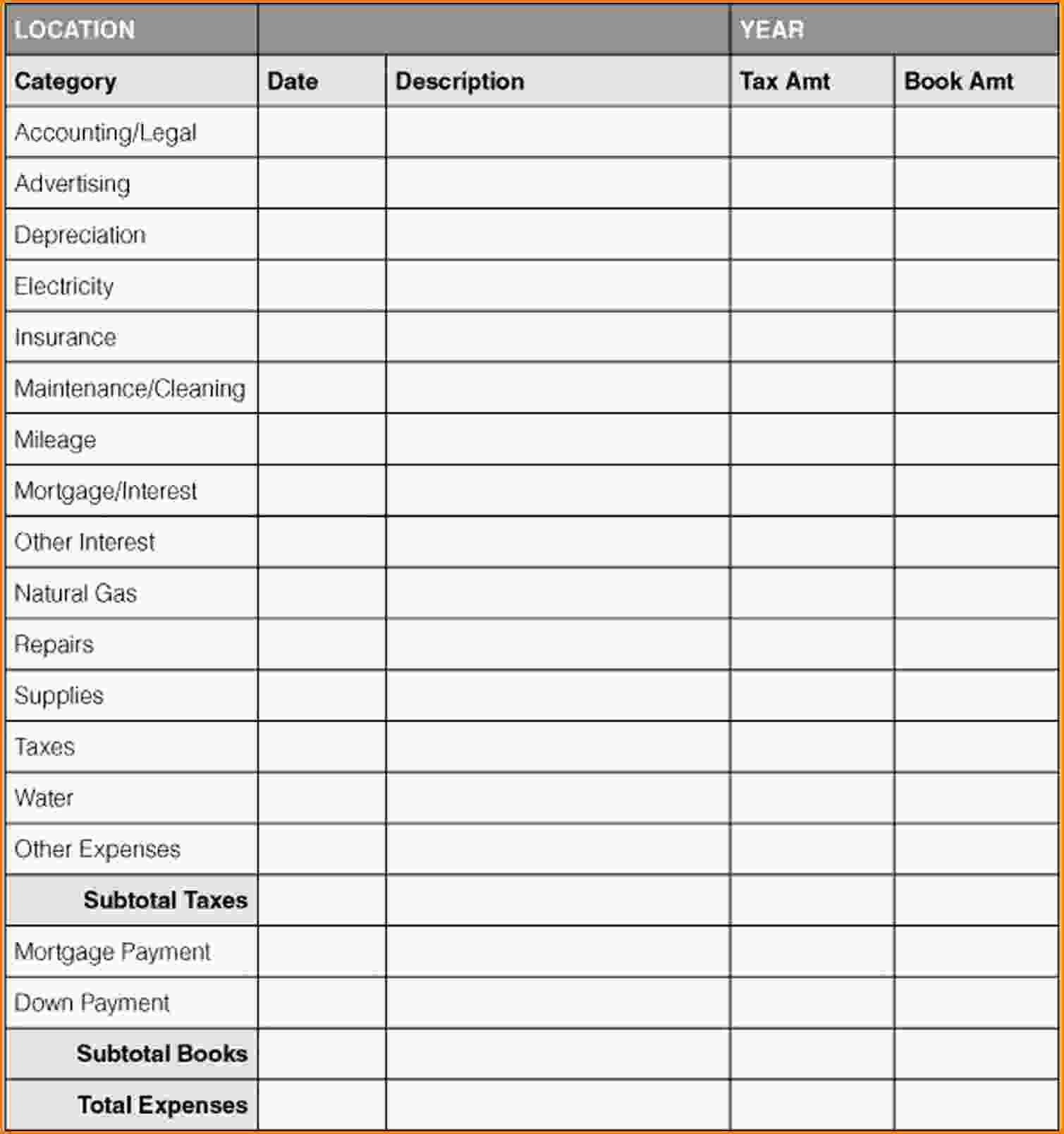
Managing finances is the backbone of any successful venture, yet not every entrepreneur has the budget for high-end accounting software. For many small business owners, freelancers, and startups, Excel accounting templates provide a powerful, cost-effective alternative. These tools allow you to maintain professional-grade financial records, track cash flow, and prepare for tax season with precision and ease.
In this guide, we explore a comprehensive suite of accounting templates designed to streamline your bookkeeping process and provide deep insights into your business’s financial health.
Streamlining Performance with Profit and Loss Templates
A Profit and Loss (P&L) statement is perhaps the most critical document for evaluating business viability. Small business owners can use a dedicated P&L template to generate high-level summaries of performance and compare outcomes across multiple fiscal years.
These templates typically feature color-coded sections for revenue, cost of goods sold (COGS), and operating expenses. By isolating these variables, you can quickly assess your net income before and after taxes. Look for templates that include customizable tax rate fields and expandable rows to accommodate diverse revenue streams.
Maintaining Accuracy with Journals and Ledgers
The daily grind of business involves dozens of transactions that need a home. An Accounting Journal Template acts as your primary book of entry, recording debits and credits chronologically. This manual tracking method is excellent for businesses that prefer a hands-on approach to balancing their books without the complexity of automated software.
Once transactions are recorded in the journal, they are moved to the General Ledger. A structured ledger template organizes these entries by account number, allowing you to monitor specific account balances. With columns for post references and running totals, these tools make it significantly easier to identify discrepancies early in the accounting cycle.
Balancing the Books: Sheets and Reconciliations
To understand what your business owns versus what it owes, you need a Balance Sheet. This template provides a “financial snapshot” at any given moment, categorizing assets and liabilities into current and long-term sections. It is an indispensable tool when presenting your financial position to potential investors or lenders.
Accuracy is further reinforced through Account Reconciliation. By using a reconciliation template, you can compare your internal records against bank statements. This process helps catch timing differences, such as checks that haven’t cleared yet, ensuring your ending balance is always verified and “closed” correctly at the end of the month.
Managing Liquid Assets: Cash Flow Tracking
Profit is not the same as cash. Many profitable businesses fail because of poor cash flow management. A Cash Flow Statement Template helps you track the movement of money through operating, investing, and financing activities.
For future-proofing, a Cash Flow Forecast Template is essential. It allows you to project your cash position over a 12-month period, helping you navigate seasonal dips or prepare for upcoming capital expenditures. By comparing actual performance against these forecasts, you can adjust your strategy in real-time.
Advanced Bookkeeping Tools: T-Accounts and Trial Balances
For those who need to dive deeper into the mechanics of their accounts, T-Account templates provide a visual representation of double-entry bookkeeping. This is particularly useful for troubleshooting specific errors in the ledger.
Before finalizing your financial statements, a Trial Balance Worksheet serves as a final check. It lists the ending balances of all accounts to ensure that total debits equal total credits. If the worksheet doesn’t balance, you know there is an error in the ledger that must be addressed before tax filing or reporting.
Comprehensive Small Business Accounting Solutions
If you are looking for a “one-stop-shop,” an All-in-One Small Business Accounting Template is the ideal choice. These comprehensive spreadsheets combine income tracking, expense logs, accounts payable, and accounts receivable into a single workbook. This integrated approach ensures that all your data talks to each other, providing a holistic view of your financial well-being without the need for multiple files.
Conclusion
Leveraging these Excel-based tools empowers small business owners to take full control of their financial destiny. Whether you are reconciling a bank statement or forecasting next year’s growth, the right template simplifies complex data into actionable insights.
Take the next step in your business journey: Start by implementing a basic Profit and Loss sheet today, and gradually incorporate more specialized tools like cash flow forecasts as your operations expand. Effective financial tracking is not just about recording the past—it is about planning your future.