
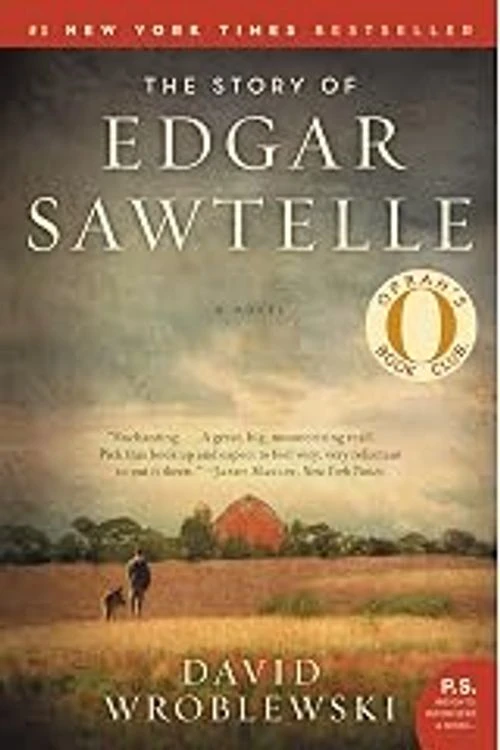
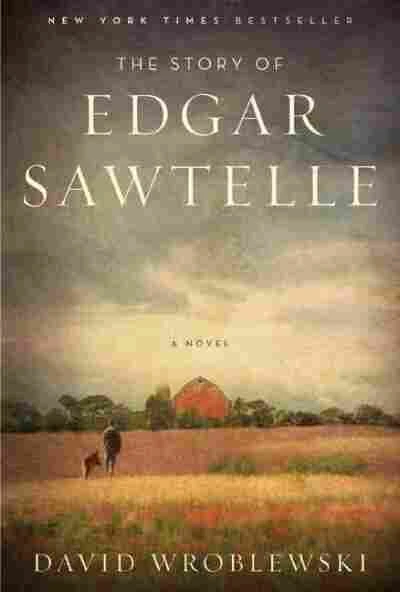
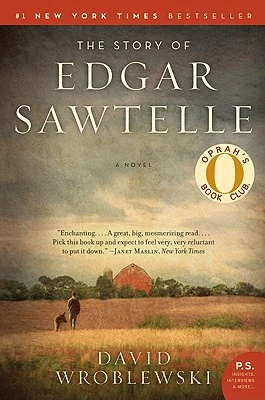
The Story of Edgar Sawtelle is a fictional novel by David Wroblewski about Edgar Sawtelle, a boy born mute on a Wisconsin farm where his family develops a special line of dogs. After his father Gar dies under mysterious circumstances, Edgar suspects betrayal by his uncle Claude and begins a search for the truth while trying to protect the Sawtelle dogs and his family’s legacy.
The Story of Edgar Sawtelle is a fictional novel by David Wroblewski about Edgar Sawtelle, a boy born mute on a Wisconsin farm where his family develops a special line of dogs. After his father Gar dies under mysterious circumstances, Edgar suspects betrayal by his uncle Claude and begins a search for the truth while trying to protect the Sawtelle dogs and his family’s legacy. The novel combines a coming-of-age story, family mystery, and tragedy inspired by Shakespeare’s Hamlet.
Readers looking for the Life of Edgar Sawtelle often want to understand the plot, main characters, ending, literary connections, and whether the story is based on real events. This guide explains those elements so the novel’s central conflicts and themes are clear.
What The Story of Edgar Sawtelle is about
The story follows Edgar Sawtelle, the son of Gar and Trudy Sawtelle, who live on a Wisconsin farm dedicated to breeding and training dogs with unusual intelligence and temperament. Edgar cannot speak, but he communicates through sign language and develops a deep understanding of the dogs around him, especially Almondine, his lifelong companion.
The core conflict begins when Edgar’s father, Gar, dies under suspicious circumstances. Claude Sawtelle, Gar’s brother, becomes increasingly involved in the family kennel and the family’s personal life. Edgar believes Claude is connected to his father’s death, but proving the truth becomes difficult as grief, family loyalty, and uncertainty shape every decision.
As a coming-of-age story, the novel follows Edgar’s movement from a sheltered childhood into a dangerous search for answers. The dogs are not simply background animals; they represent the Sawtelle family’s legacy, the emotional bonds Edgar relies on, and the question of whether a creation can survive after its creators are gone.
The story of Edgar Sawtelle is therefore not only about solving a mystery. It is about a young person trying to understand loss, identity, and responsibility while facing a family conflict that resembles an ancient tragedy.
The Hamlet connection behind Edgar Sawtelle
David Wroblewski’s novel is often described as a Hamlet retelling because it uses a similar foundation: a son dealing with the death of his father, suspicion toward an uncle, and a struggle to uncover hidden wrongdoing. The connection is not a scene-by-scene copy of Shakespeare’s play, but a modern transformation of its central ideas.
The main parallels are easiest to see through the roles each character plays.
Character Parallels Table
| Hamlet character | Sawtelle counterpart | Shared role in the story |
|---|---|---|
| King Hamlet | Gar Sawtelle | A father whose death drives the central conflict |
| Claudius | Claude Sawtelle | A brother who takes a position of power after the father’s death |
| Gertrude | Trudy Sawtelle | A mother whose relationship choices affect the family conflict |
| Prince Hamlet | Edgar Sawtelle | A son searching for truth after his father’s death |
| Ghost of King Hamlet | Signs and discoveries surrounding Edgar’s investigation | A source of information that pushes the protagonist toward the truth |
Two major parallels connect the works: both stories center on a son investigating a father’s suspicious death, and both feature an uncle figure whose rise in power creates a family betrayal. The novel adapts these ideas to a rural American setting rather than recreating Shakespeare’s royal court.
In practical literary analysis, the easy-to-miss point is that Edgar’s silence changes the nature of the Hamlet parallel. Shakespeare’s Hamlet uses spoken reflection and confrontation, while Edgar must rely on observation, signs, and his relationship with the dogs to interpret the world around him.
The symbolism of poison also connects the two works. In Hamlet, poison represents hidden betrayal and corruption inside a royal family. In The Story of Edgar Sawtelle, poisoning is tied to the destruction of trust within the Sawtelle family and becomes a symbol of how private ambition damages relationships.
The novel uses the Hamlet framework to explore familiar themes in a different setting: grief after a parent’s death, uncertainty about justice, the cost of revenge, and the difficulty of knowing another person’s intentions.
The main characters and their motivations
The major characters in The Story of Edgar Sawtelle are connected by family, loyalty, and competing ideas about the future of the Sawtelle kennel. Understanding their motivations makes the plot easier to follow.
Character Motivations Table
| Character | Relationship to Edgar | Core motivation | Influence on the plot |
|---|---|---|---|
| Edgar Sawtelle | Mute protagonist and son of Gar and Trudy | To discover the truth about his father’s death and protect the family legacy | His investigation drives the conflict with Claude |
| Claude Sawtelle | Edgar’s uncle and Gar’s brother | To gain control over the kennel and his place in the family | His actions create the central betrayal |
| Gar Sawtelle | Edgar’s father | To preserve the Sawtelle breeding program and family values | His death begins Edgar’s search for answers |
| Trudy Sawtelle | Edgar’s mother | To protect her family and maintain stability | Her choices shape Edgar’s understanding of the conflict |
| Almondine | Edgar’s closest dog companion | To remain connected to Edgar | She represents loyalty and Edgar’s bond with the dogs |
| Sawtelle dogs | The family-bred dog line | To continue the traits developed by generations of breeding | They carry the family’s legacy beyond the human conflict |
Edgar is not simply seeking revenge. His choices are shaped by his need to understand what happened and by his responsibility toward the dogs his family created. His inability to speak also means he often communicates through actions rather than direct arguments.
Claude Sawtelle functions as the main source of conflict. His motivations combine personal ambition, resentment, and a desire for control. The comparison with Claudius from Hamlet becomes clear because Claude’s role is built around betrayal within a family structure.
Gar represents the previous generation of Sawtelle values. His death removes the person who maintained the family’s direction and forces Edgar to decide what parts of that legacy should continue.
Trudy’s role is more complicated than simply supporting one side. She is caught between protecting her family, managing grief, and responding to relationships she does not fully understand.
Almondine and the importance of the Sawtelle dogs
Almondine is one of the most important figures in Edgar’s emotional life. She is not just a pet; she is a companion who helps define Edgar’s connection to communication, trust, and memory.
The Sawtelle dogs are fictional creations within the novel rather than a recognized real-world breed. They are portrayed as carefully developed dogs known for intelligence, temperament, and close human relationships. Their importance comes from what they represent: the family’s work, Edgar’s identity, and a legacy that continues beyond the human characters.
A common mistake in discussing the novel is treating the dogs as a separate subplot. Their role is central because the fate of the dogs reflects the fate of the Sawtelle family itself.
Almondine’s death is separate from the final climax. She dies of old age before the events of the barn fire, making her loss a quieter emotional turning point rather than part of Edgar’s final confrontation.
How supporting characters shape the conflict
Other characters influence the story by revealing different sides of loyalty, family pressure, and responsibility. Their relationships with Edgar show that the conflict is not only between two individuals but between competing visions of what the Sawtelle name should mean.
Reducing characters to simple heroes and villains can miss the novel’s central conflict. The story works because each major choice creates consequences that affect the entire family and the dogs connected to it.
Whether The Story of Edgar Sawtelle is based on true events
The Story of Edgar Sawtelle is a work of fiction. Edgar Sawtelle, the Sawtelle family, Claude, Gar, Trudy, and the dogs in the novel are fictional characters created by David Wroblewski.
The Wisconsin farm setting feels realistic, and the novel draws on real ideas about dog breeding and training, but readers should not treat it as a documented account of a real family or a true crime story.
A useful way to separate fact from fiction is to check each element:
- Treat Edgar, Claude, Gar, and Trudy Sawtelle as invented characters rather than historical people.
- Recognize the Sawtelle dogs as a fictional dog line created for the novel, not an official breed.
- Separate realistic details about animal behavior and breeding from the fictional family tragedy.
- Understand that the Hamlet connection is a literary structure, not evidence that the events actually occurred.
With a factual view of fiction and literary analysis, the key distinction is that realistic details can make a novel feel true without making the events factual.
The ending of The Story of Edgar Sawtelle explained
Spoilers ahead: this section explains Edgar’s final fate and the novel’s closing events.
The ending resolves the conflict between Edgar and Claude through a confrontation designed to expose the truth about Gar’s death. Edgar returns from hiding with several of the Sawtelle dogs while Claude has taken control of the kennel and remains unaware that Edgar is preparing a final challenge.
The sequence of events unfolds as follows:
- Edgar attempts to force Claude into revealing the truth through a confrontation that echoes the way Hamlet uses performance and exposure to reveal guilt.
- The confrontation escalates, and a fire begins in the kennel barn where the dogs are kept.
- Edgar chooses to return to the burning barn to free the dogs rather than escape safely.
- Edgar and Claude both die in the fire, ending the direct conflict between the two branches of the Sawtelle family.
The result is tragic: Edgar does not survive to restore the family himself, but the dogs escape and the Sawtelle legacy continues outside the original family structure.
The meaning of Edgar’s ending is connected to sacrifice rather than simple revenge. His final action shows that his connection to the dogs is stronger than his desire to defeat Claude alone. The novel moves toward the idea that protecting what matters may require personal sacrifice.
The dogs’ survival also changes the meaning of the ending. The family name and human relationships collapse, but the qualities the Sawtelles developed in their dogs continue. The legacy survives in a different form.
The novel’s legacy, adaptations, and related works
The Story of Edgar Sawtelle received broad attention after publication and became a selection of Oprah’s Book Club, bringing the novel to a large audience. Readers continue to discuss it because it combines a family drama, a mystery structure, a coming-of-age story, and a Hamlet-inspired tragedy.
The novel is often discussed in book clubs and classrooms because it supports several types of analysis: character motivation, symbolism, literary adaptation, and questions about loyalty and inheritance.
As of 2026, there is no released film or television adaptation of The Story of Edgar Sawtelle. Reports about possible screen adaptations have existed, but readers should distinguish between an announced, completed release and a project that is only discussed, optioned, or in development.
There is also no direct sequel to The Story of Edgar Sawtelle by David Wroblewski. Readers looking for a continuation of Edgar’s story should treat claims of a sequel as unconfirmed unless supported by a formal publication announcement.
Before discussing an adaptation or sequel online, check whether there is a confirmed release, publisher announcement, or official statement rather than relying on rumors.
If you are studying the novel today, write a one-paragraph summary of Edgar’s final choice and connect it to the survival of the Sawtelle dogs; this exercise will help you separate the plot events from your interpretation of what the ending means.
FAQ
Who wrote The Story of Edgar Sawtelle?
The novel was written by American author David Wroblewski. It serves as his debut novel and gained widespread recognition after being selected for Oprah’s Book Club.
When was The Story of Edgar Sawtelle published?
The book was published in 2008 by Ecco Press. It quickly became a bestseller and received critical acclaim for its unique narrative style and modern take on classic tragedy.
What genre is The Story of Edgar Sawtelle?
The book spans several genres, combining literary fiction, a coming-of-age story, a family mystery, and a modern tragedy inspired by Shakespeare’s play Hamlet.
How long is The Story of Edgar Sawtelle?
The hardcover edition of the novel spans approximately 565 pages. Its length allows for detailed exploration of the Wisconsin farm setting, dog training techniques, and deep character development.