
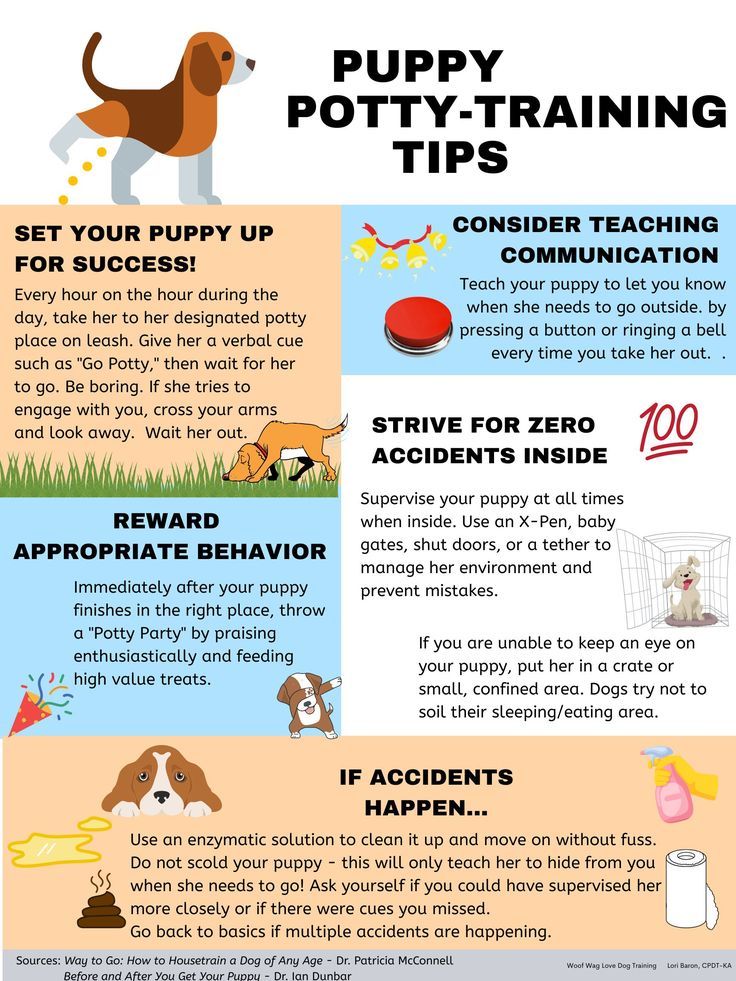
Bringing a new puppy home is an exciting time, but it also comes with the important responsibility of potty training your puppy. This foundational skill is essential for maintaining a clean, harmonious household and building a strong bond with your new companion. Successfully housebreaking your puppy requires patience, consistency, and a clear understanding of the process. This guide provides expert housebreaking tips to help you teach your puppy where and when to go, while helping you avoid common mistakes that can slow progress.
Establish a Consistent Potty Training Routine
The cornerstone of successful potty training is a predictable routine. Puppies thrive on structure, so establishing a consistent schedule helps them learn when and where it’s appropriate to eliminate. You should take your puppy outside frequently—at least every two hours—and especially after key moments like waking up from a nap, during and after play sessions, and immediately after eating or drinking.
When you go outside, choose a specific bathroom spot and always take your puppy there on a leash. Consistency in location helps your puppy associate that spot with the act of going to the bathroom. As they begin to relieve themselves, introduce a verbal cue, such as “go potty” or “do your business.” Using the same phrase every time will help your puppy learn to associate the command with the action. Once they have finished, reward them immediately with enthusiastic praise or a small treat to reinforce the behavior.
A critical pro tip for this phase is to wait until your puppy has completely finished their business before offering praise or rewards. Puppies are easily distracted, and if you interrupt them mid-process, they may stop before they are done, increasing the chance of an accident moments later.
Stick to a Feeding Schedule for Predictability
Your puppy’s feeding schedule is directly linked to their potty schedule. Keeping your puppy on a consistent feeding routine makes housebreaking significantly easier. When a puppy eats at the same times each day, their digestive system becomes predictable, and you can anticipate when they will need to relieve themselves—usually within 15 to 30 minutes after a meal.
Additionally, managing water intake is a key strategy. Remove your puppy’s water dish about two and a half hours before bedtime. This helps reduce the likelihood of overnight accidents, allowing for longer, uninterrupted sleep. Most puppies can comfortably hold their bladder for seven hours overnight. If your puppy does wake you up during the night, remain calm. Take them quietly to their potty spot and then return them to bed without turning the outing into a play session. This reinforces that nighttime trips are strictly for business.
Supervise Your Puppy Closely Indoors
Until your puppy is reliably potty trained, close supervision is non-negotiable. When your puppy is indoors and not in a confined area, they should be under your direct watch. A highly effective method is to tether your puppy to you or a nearby piece of furniture with a 6-foot leash. This prevents them from wandering off and having an accident unnoticed.
During this time, it’s crucial to watch for the subtle signs that indicate they need to go out. Common signals include:
- Barking or scratching at the door
- Circling or sniffing the floor intently
- Restlessness or suddenly stopping play to squat
When you see these signals, immediately take your puppy to their designated potty spot. If they eliminate there, reward them right away. This teaches them that signaling you leads to a successful trip outdoors.
A common oversight is allowing a puppy off-leash in the yard before they are fully trained. During the housebreaking process, keep your puppy on a leash in the yard, treating the yard like any other room in the house. This ensures they remain focused on the task and don’t wander off to play before finishing.
Use Confinement When You Can’t Supervise
There will be times when you cannot give your puppy your undivided attention. In these moments, it’s essential to restrict them to a small, puppy-proofed area where they will be less likely to eliminate. This space can be a section of the bathroom or laundry room blocked with baby gates. Dogs naturally avoid soiling the area where they eat and sleep, so a small, confined space discourages accidents.
Another excellent and humane option is crate training. A properly used crate becomes a safe den for your puppy. If your puppy has been confined for several hours—whether in a crate or a small room—the very first thing you must do when you return is take them straight to their potty spot. This reinforces the connection between being released from confinement and the opportunity to eliminate in the right place.
How to Properly Handle Potty Training Accidents
Accidents are not a sign of failure; they are an inevitable and normal part of training any puppy. How you respond to these accidents is critical to your success. When you catch your puppy in the act, do not scold them. Instead, calmly interrupt them with a gentle noise and immediately take them to their designated outdoor potty spot. If they finish there, praise and reward them.
Never punish your puppy for accidents. Scolding, yelling, or rubbing their nose in the mess will only make your puppy fearful of you and anxious about eliminating in your presence. This fear often leads to them hiding to go potty, which slows down the training process significantly.
After the accident, clean soiled areas thoroughly with an enzymatic cleaner designed to neutralize pet odors. If the scent remains, your puppy will be drawn back to that same spot to eliminate again, making housebreaking much harder.
Plan for When You Are Away From Home
Consistency is key to housebreaking, so it’s important to consider your daily schedule before bringing a puppy home. If you will be away from home for more than four or five hours a day, you must have a plan. A young puppy simply cannot hold their bladder for a full workday.
If you must leave your puppy alone, consider these options:
- Arrange for a neighbor, friend, or professional pet sitter to come to your home and take your puppy out for bathroom breaks.
- Alternatively, you can train your puppy to use indoor potty options, such as pee pads, newspapers, or a sod box. Keep in mind that this method can sometimes make the transition to exclusive outdoor potty training take longer, as it teaches the puppy it is acceptable to go inside.
For cleaning up accidents, you can use the scent to your advantage. When cleaning up a mess outside of the designated potty area, place the soiled paper towels or rags in the correct spot. This helps your puppy associate the scent with the appropriate bathroom location.
Final Thoughts: Patience and Positive Reinforcement are Key
Patience, consistency, and positive reinforcement are the three pillars of successful potty training. By sticking to a regular schedule, supervising your puppy diligently, and managing accidents without punishment, you will set your new companion up for long-term success. Remember that house training is a process, not an event. It typically takes four to six months to fully housebreak a puppy, but this timeline can vary based on the puppy’s size, age, and previous habits.
A general rule of thumb is that a puppy can hold their bladder for about one hour for every month of age. So, a three-month-old puppy will likely need to pee every three hours. Creating a potty schedule for the first six to nine months helps your puppy learn consistency.
Every dog is an individual. Smaller breed dogs and those who were not given consistent outdoor opportunities as young puppies may require more frequent potty breaks. Pay close attention to your puppy’s cues—restlessness, circling, excessive sniffing, or heading toward the door—and act quickly. If your puppy is struggling significantly, do not hesitate to reach out to a veterinarian or a positive-reinforcement based dog trainer for additional support.
Looking for more animal care tips and in-depth training guides? Explore our other resources to continue building a happy, well-behaved relationship with your dog.