
“You Gave Me A Mountain” is more than just a song; it’s a powerful narrative that delves into themes of hardship, loss, and the unwavering human spirit. Originally penned by Marty Robbins, this poignant ballad found one of its most iconic interpretations through Elvis Presley, becoming a staple in his later repertoire. This exploration will delve into the song’s emotional core, its historical context within Elvis’s career, and the enduring legacy of its performance, particularly during the groundbreaking “Aloha from Hawaii” concert.
The Emotional Landscape of “You Gave Me A Mountain”
The lyrics of “You Gave Me A Mountain” paint a vivid picture of a life fraught with insurmountable challenges. The narrator recounts a childhood marked by the early loss of his mother and the subsequent abandonment by his father, setting a tone of deep-seated struggle. The song progresses through the narrator’s adult life, detailing the departure of his wife and the loss of his son, each event representing a “hill” climbed, only to be faced with another, larger obstacle. The central metaphor of the “mountain” signifies a challenge so profound that it seems unconquerable, reflecting a deep sense of despair and resignation.
Marty Robbins, the song’s writer, imbued the lyrics with a raw, relatable emotional honesty. The narrative is told from a first-person perspective, drawing the listener into the character’s profound sense of suffering and his questioning of a higher power for these unrelenting trials. The repetition of the phrase “You gave me a mountain” underscores the feeling of being overwhelmed and the perception that these burdens are divinely ordained.
Elvis Presley’s Iconic Performance and “Aloha from Hawaii”
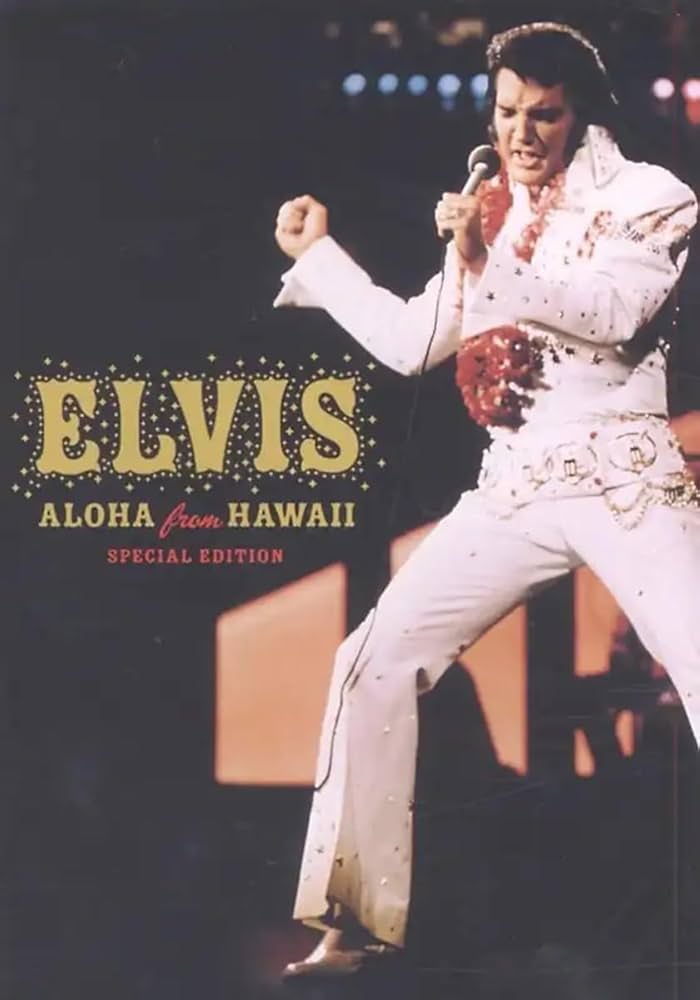
Elvis Presley’s rendition of “You Gave Me A Mountain” became particularly significant following its inclusion in the “Elvis: Aloha from Hawaii Via Satellite” concert on January 14, 1973. This historic event, broadcast live to an estimated one billion people across 40 countries, marked a pivotal moment in entertainment history. Elvis, dressed in a striking American Eagle-designed jumpsuit, delivered a performance that showcased his vocal prowess and emotional depth.
The decision to perform “You Gave Me A Mountain” during this globally televised special was strategic. The song’s themes of overcoming adversity resonated with a universal audience, and Elvis’s heartfelt delivery amplified its impact. Recorded at the Honolulu International Center Arena, the concert was not only a testament to Elvis’s enduring superstardom but also a demonstration of his ability to connect with diverse cultures through music. The broadcast achieved remarkable viewership figures, with a significant percentage of the audience in Japan, the Philippines, Hong Kong, and Korea tuning in, followed by a massive 51% of the American television audience during its delayed broadcast on NBC. This global reach cemented the song’s status in Elvis’s discography and introduced it to a vast international audience.
The Legacy and Impact
“You Gave Me A Mountain,” as performed by Elvis Presley, continues to be celebrated for its emotional resonance and its connection to a landmark moment in music history. The song’s themes of struggle and resilience remain relevant, offering solace and understanding to listeners facing their own challenges. The “Aloha from Hawaii” concert itself is remembered as a pinnacle of Elvis’s career, a moment where he transcended geographical boundaries to unite the world through his performance.
The song’s inclusion on various albums and live recordings, including the “Aloha From Hawaii” CD and subsequent FTD (Follow That Dream) releases, ensures its continued availability for fans and new listeners alike. The “Aloha From Hawaii” concert special’s success, surpassing even the viewership of the moon landing in the United States, underscores the profound cultural impact of both Elvis and this particular performance. “You Gave Me A Mountain” stands as a powerful testament to Elvis Presley’s artistry and his ability to convey complex human emotions through song, leaving an indelible mark on the landscape of classic music.
References
- Elvis Presley Photos. (n.d.). Elvis Presley Photos. Retrieved from https://www.elvispresleyphotos.com/
- Elvis Presley Music. (n.d.). Elvis Presley Music. Retrieved from https://www.elvispresleymusic.com.au/
- Elvis Presley Shop. (n.d.). Elvis Presley Shop. Retrieved from https://www.elvispresleyshop.com/
- Robbins, M. (n.d.). You Gave Me A Mountain Lyrics. Retrieved from https://www.elvispresley.com.au/songlyrics/you-gave-me-a-mountain.html