
Dorothy Kilgallen was more than a television and radio star, a syndicated columnist, or a fixture in New York’s high society. Above all, she was a fearless crime reporter whose relentless pursuit of the truth about the assassination of President John F. Kennedy may have cost her life. In 1965, at the age of 52, Kilgallen was found dead in her Manhattan home, her passing initially ruled an “accidental overdose.” For decades, this diagnosis overshadowed her legacy, reducing her to a caricature of a pill-popping socialite. But in 2017, the Manhattan District Attorney’s office reopened her case, reclassifying her death as a homicide. The truth, it seemed, was far darker—and far more dangerous—than anyone had imagined.
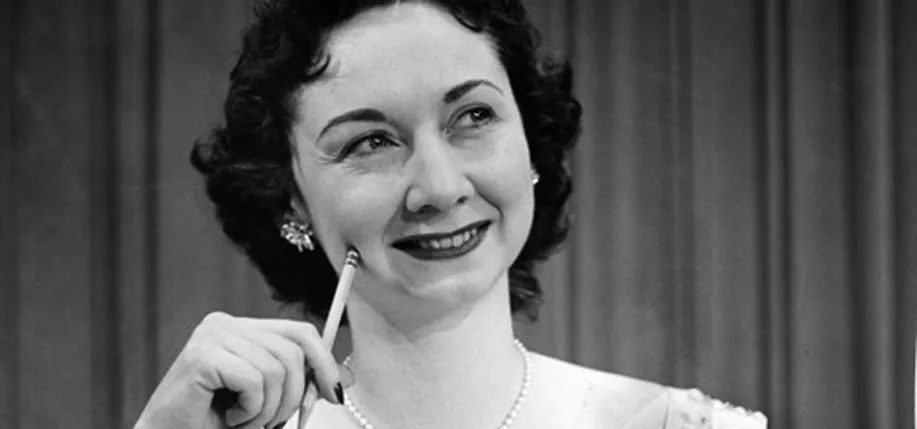
A Trailblazer in a Man’s World
Born to first-generation Irish American parents, James and Mae Kilgallen, Dorothy inherited her father’s passion for journalism. James, a respected reporter, instilled in her a love for storytelling and a tenacity for uncovering the truth. By the age of 19, Dorothy had already begun her career at Hearst, covering everything from beauty conventions to high-profile murder trials. Inspired by the intrepid Nellie Bly, another Irish American journalist, Dorothy entered The Race Around the World, a global reporting competition. She finished second, but the adventure cemented her reputation as a bold and resourceful reporter.
In 1938, at just 25 years old, she became the first and only female columnist for the New York Journal-American with her column, Voice of Broadway. For nearly three decades, her sharp wit and unapologetic commentary on entertainment, politics, and gossip made her a household name. She was a regular at New York’s most exclusive nightspots—the 21 Club, Copacabana, and the Stork Club—where her presence was as much a part of the scene as the celebrities she wrote about.
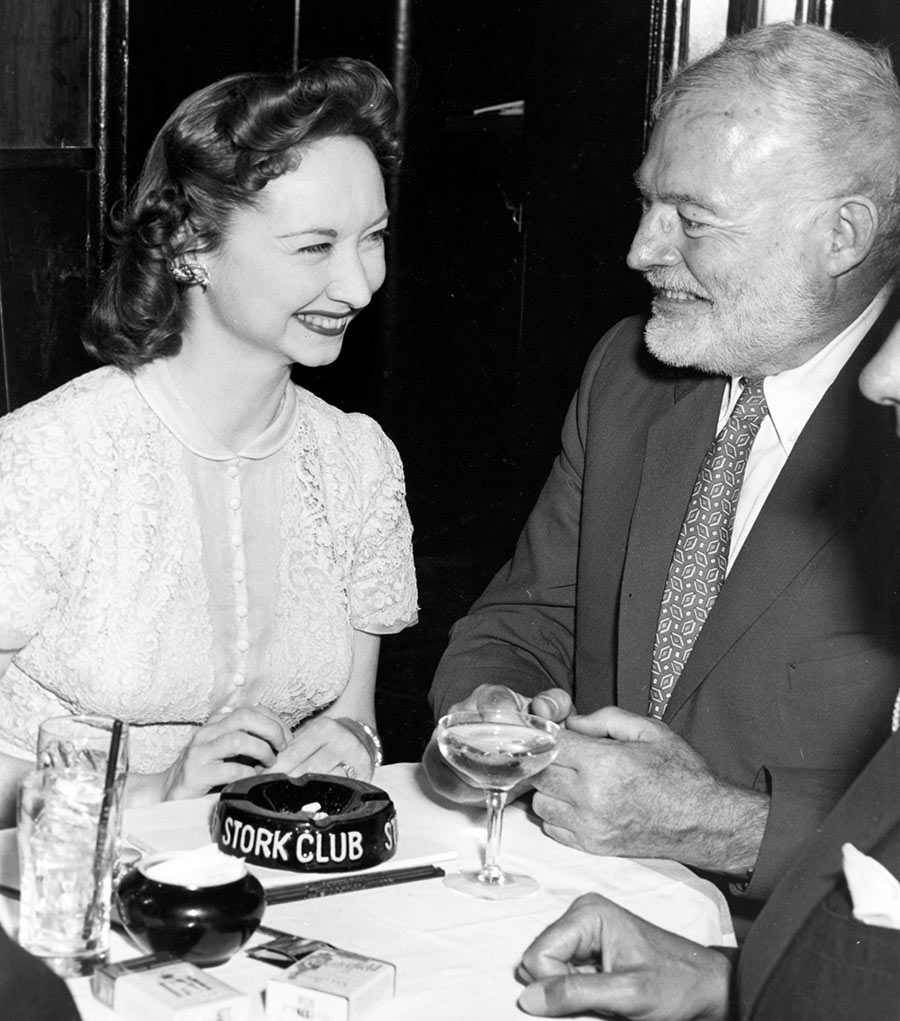
Kilgallen’s personal life was as complex as her professional one. She married Broadway baritone Dick Kollmar, a union that began with promise but devolved into a marriage of convenience. Despite Kollmar’s infidelities and struggles with alcoholism, the couple maintained a public facade, even hosting a popular radio show, Breakfast with Dorothy and Dick. Later, Dorothy found love in an unlikely place: a passionate affair with singer Johnnie Ray, whose own struggles with addiction and scandal mirrored her own.
The Crime Reporter Who Defied Expectations
While Kilgallen thrived in the glamorous world of entertainment, her true passion lay in crime reporting. She was drawn to the gritty details of murder cases, the psychology of criminals, and the pursuit of justice. One of her most notable investigations was the trial of Dr. Sam Sheppard, accused of brutally murdering his pregnant wife. Kilgallen was convinced of Sheppard’s innocence, and her relentless advocacy played a role in his eventual exoneration through DNA evidence. The case later inspired the television series and film The Fugitive.
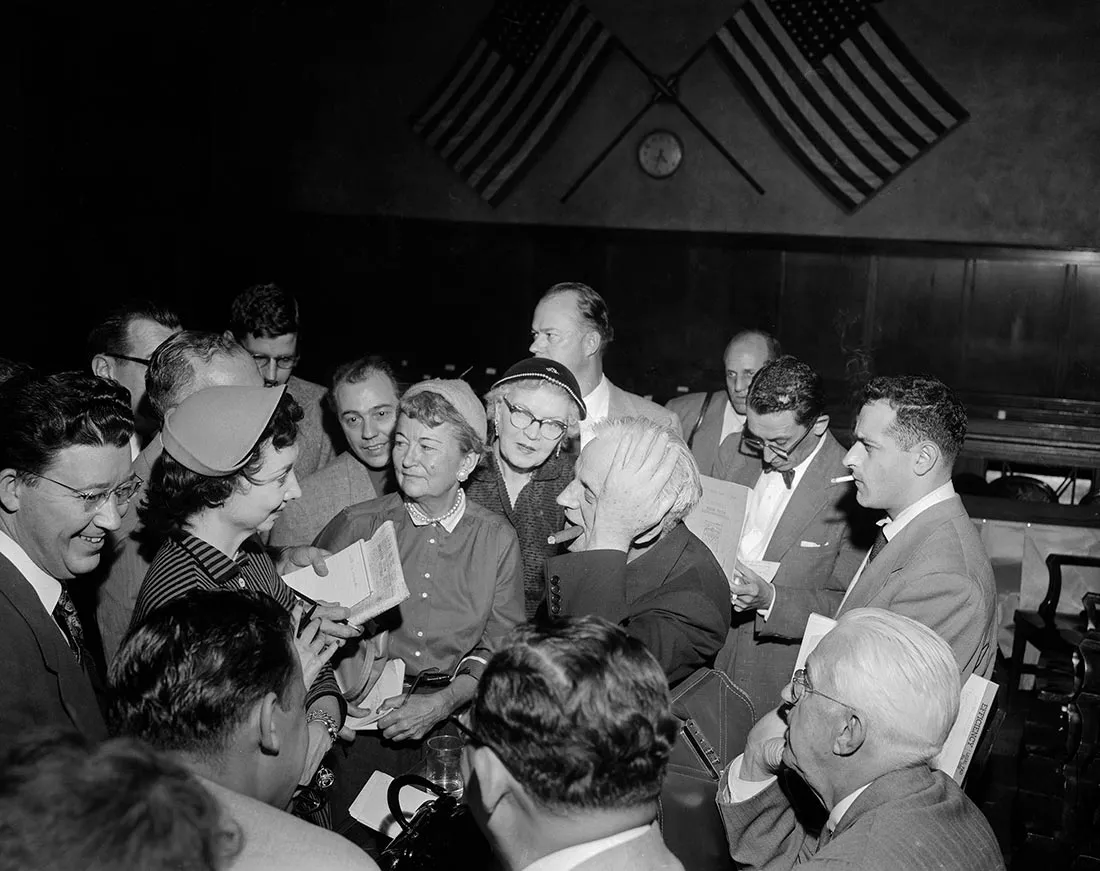
But it was the assassination of President John F. Kennedy that consumed her final years. Kilgallen was among the first to question the official narrative. She dismissed J. Edgar Hoover’s lone assassin theory and ridiculed the Warren Commission’s “magic bullet” explanation. For Kilgallen, the assassination was a conspiracy too vast to ignore. She believed the American public deserved the truth, no matter how uncomfortable it might be.
In the weeks leading up to her death, Kilgallen’s investigation had taken her to New Orleans, where she hinted at “cloak and dagger stuff,” possibly referencing Mafia leader Carlos Marcello. On the night of November 7, 1965, she filed her column, hosted her television show, and met with a mysterious figure whose identity remains unknown. The next morning, she was found dead in her bed, dressed in a peignoir, full makeup, and a hairpiece—an unusual state for someone who typically slept in pajamas. The scene was staged, and the circumstances were suspicious. Residue of vodka, Nembutal, and Tuinal (a drug she had never used) were found in her system. Was it a Mickey Finn—a drink laced with drugs? Or was it something more sinister?
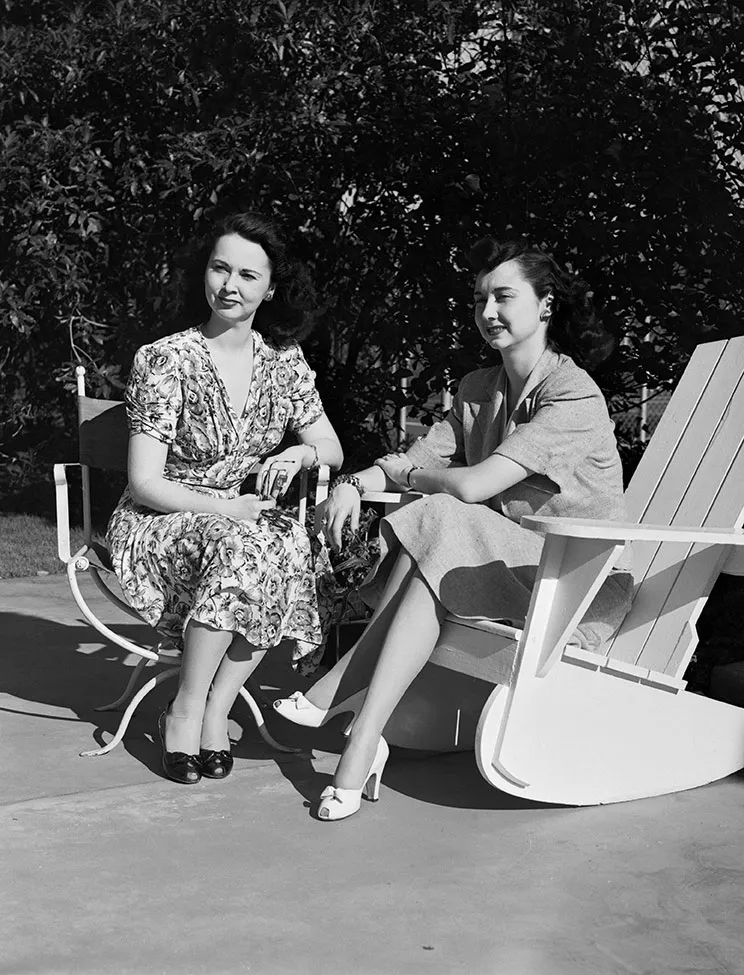 Dorothy Kilgallen and her younger sister, Eleanor
The official investigation was riddled with inconsistencies. The police, medical examiner, and toxicologists all seemed to bungle the case—or worse, cover it up. Kilgallen’s notes on the JFK assassination, kept in a file by her bedside, vanished after her death. To this day, the file has never been recovered.
Theories and Suspects: Who Killed Dorothy Kilgallen?
Kilgallen’s death left behind a web of unanswered questions and a roster of potential suspects. The Mafia, the FBI, the CIA, and anti-Castro Cubans all had motives to silence her. Even her own husband, Richard Kollmar, fell under suspicion. Mae Kilgallen, Dorothy’s mother, was so convinced of Kollmar’s guilt that she publicly accused him at the funeral, screaming, “You killed my daughter!” Kollmar had a prescription for Tuinal, the drug found in Dorothy’s system, and he was in the house the night she died.
Another suspect was Ron Pataky, a critic from Cleveland with rumored Mafia ties. Pataky was in New York on the night of Kilgallen’s death, and some speculate he may have been the “mystery man” she met before her passing. In the years following her death, Pataky wrote eerie poetry, including a piece titled Never Trust a Stiff at a Typewriter, with the chilling line: “Somebody who’s dead could tell no tales.”
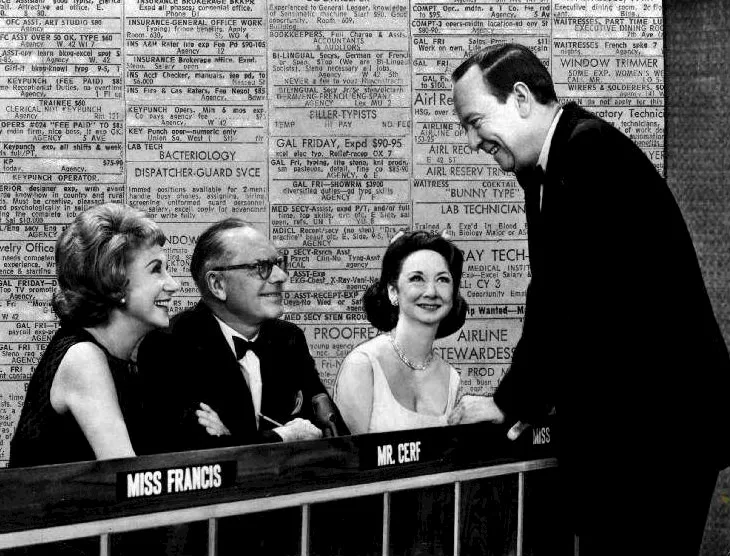
Robert F. Kennedy, who had his own reasons to distrust the official narrative, once remarked, “They should have killed me. I’m the one they wanted.” New Orleans Mafia boss Carlos Marcello echoed this sentiment, stating, “The President was the dog, the Attorney General was its tail. If you cut off the tail, the dog will keep biting; but if you chop off the head, the dog will die, tail and all.” The Kennedy brothers had made powerful enemies, and Kilgallen’s investigation threatened to expose them all.
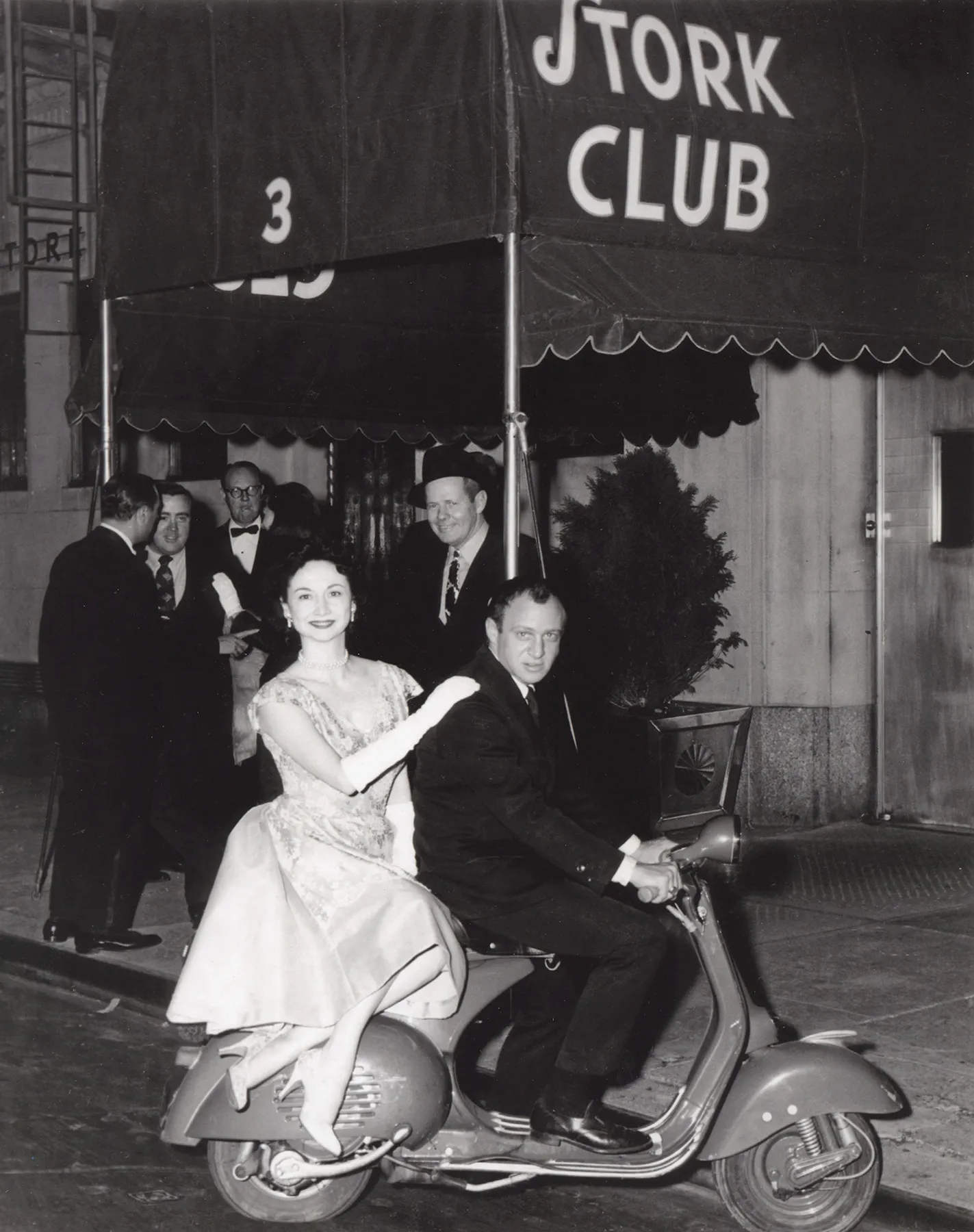 Dorothy Kilgallen and a friend on a scooter outside the Stork Club
A Legacy of Unanswered Questions
More than half a century after her death, Dorothy Kilgallen’s story continues to captivate. Her life was a testament to the power of journalism and the dangers of pursuing the truth in a world where the powerful seek to silence it. She broke barriers for women in media, fearlessly challenged authority, and refused to accept easy answers. Her death remains one of America’s most haunting unsolved mysteries, a reminder that some truths are too dangerous to uncover.
As Mark Shaw explores in The Reporter Who Knew Too Much, Kilgallen’s legacy is not just one of tragedy but of relentless determination. She was a woman who defied the expectations of her time, a reporter who believed in the power of the press, and a truth-seeker who may have paid the ultimate price for her convictions. The question remains: Who killed Dorothy Kilgallen? And more importantly, What did she know that they couldn’t let her reveal?