
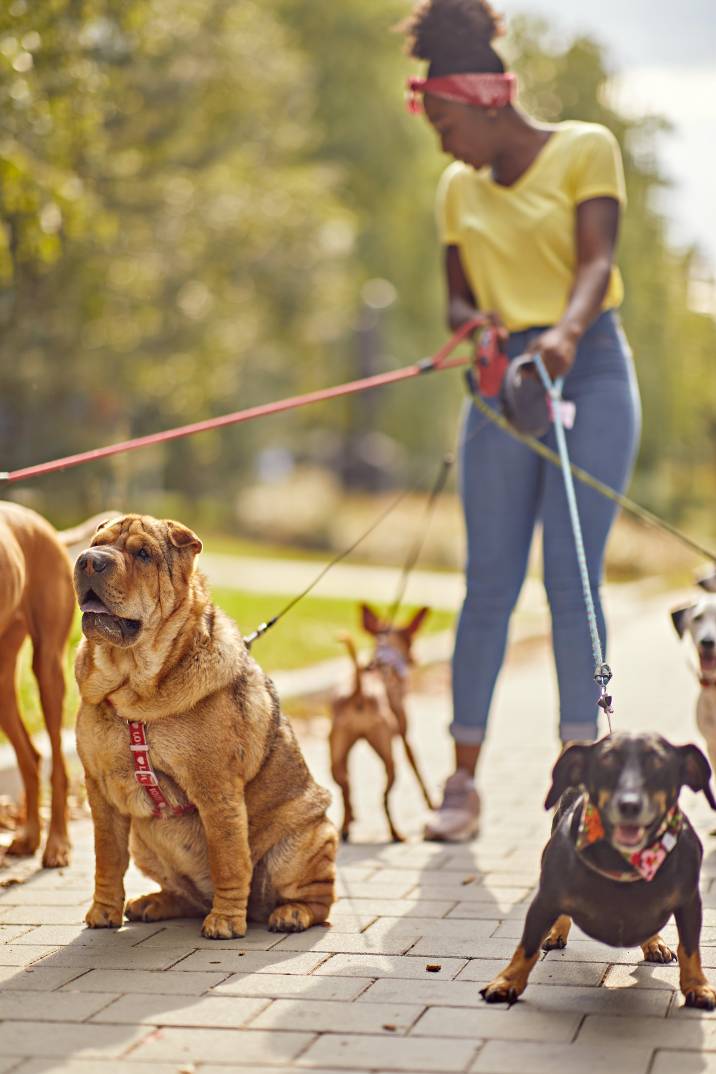
For those seeking an escape from the daily grind, the prospect of becoming a dog walker might seem appealing. Reports suggest that dog walkers can earn significantly more than the average UK salary while working fewer hours. For instance, a dog walker charging £11.50 per dog per hour and completing 197 walks per month could match the UK median annual salary of £27,200. At a rate of 13 walks per day, this workload could be completed in just over 15 days a month. If this walker worked 20 days a month, their annual earnings could exceed £35,000. In more affluent areas like London, the hourly rate can climb to around £14, potentially reflecting the need for more elaborate client appeasement strategies.
While these figures paint an attractive picture, a closer look at the reality on the ground reveals a more complex scenario. Investigations in areas like Peckham Rye, South London, indicate that while some dog walkers claim to earn up to £200 a day working only four hours, this is not the typical experience. A significant factor is the distinction between self-employed walkers who can set their own rates and work on a per-dog basis, versus those employed by agencies that often offer a fixed hourly wage irrespective of the number of dogs under their care.
The idea of being your own boss is enticing, but it comes with its own set of challenges. Professional dog walkers emphasize the necessity of a substantial client base and the difficulty of taking time off, as clients may seek services elsewhere. One dog walker noted the constant need to manage multiple dogs, each with their own names and individual needs, highlighting the demanding nature of the job. This constant vigilance is crucial, as dog fights can occur. One incident involved a bull mastiff attacking another dog, requiring the walker to be strong and patient.
Beyond managing canine companions, dog walkers often face logistical hurdles, such as dogs getting lost and requiring hours of searching. Additionally, extensive travel may be involved in picking up and dropping off dogs, blurring the lines of a typical nine-to-five workday. The unpredictability of the British weather also adds another layer of challenge to this profession. For some, like a former hospital worker from Hungary, dog walking is a temporary solution, with plans to return to their previous field once the season changes.
While dog walking can offer a flexible alternative to traditional employment, it demands a high level of responsibility, patience, and a genuine love for animals. The potential for good earnings exists, but it requires significant effort in building a client base and managing the daily demands of caring for multiple dogs. For those considering this career path, understanding these realities is key to a successful and fulfilling experience. If you’re exploring career changes or alternative work, understanding various insurance needs for different professions can be beneficial. For instance, pet walking insurance can offer protection for those in the dog walking business.
References
This article is based on information from an article originally published in The Guardian.