
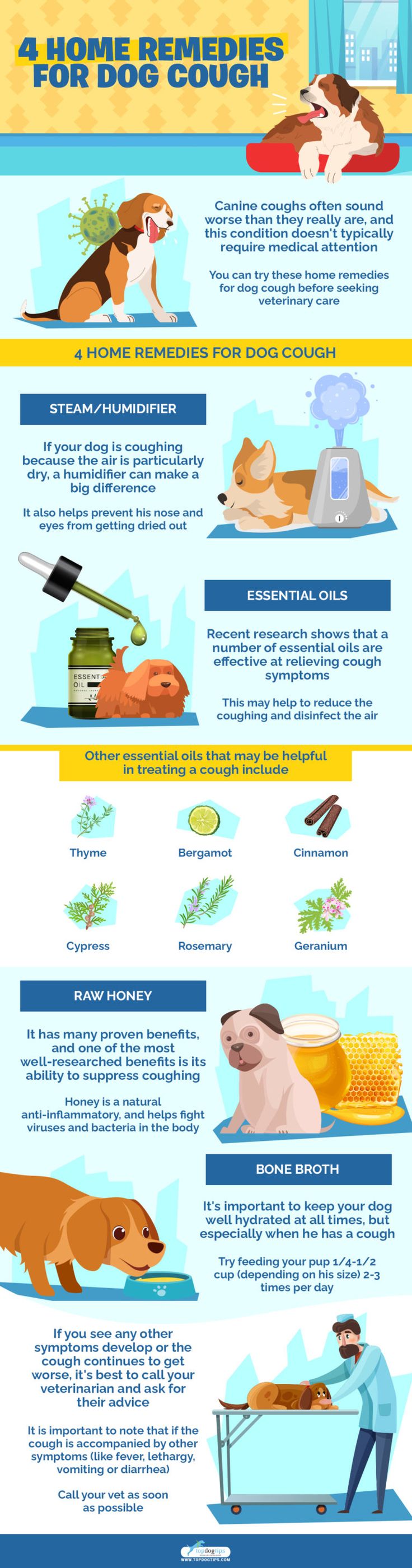
Being a pet parent means being prepared for the unexpected. While reaching out to your veterinarian for advice or an appointment is always recommended, there are some nonprescription therapies and home remedies for dogs that are usually safe to try at home before you call or while you wait for an appointment. Understanding when to use home remedies and when to seek professional help is crucial for your dog’s well-being. This guide will help you navigate common canine health issues, offering insights into safe at-home care and highlighting conditions that require immediate veterinary attention.
8 Conditions That May Benefit From Home Remedies for Dogs
1. Mild Diarrhea/Mucus in Stool
A short course of mild diarrhea doesn’t always mean a trip to the vet. For dogs with soft stool who are otherwise eating well and acting normally, a bland, easily digestible diet can allow the intestines time to rest and heal. This diet typically consists of boiled chicken, turkey, or lean beef mixed with rice in a 2:1 ratio (two parts rice to one part protein). Avoid roasting or frying the meat, as the fat can lead to pancreatitis. A bland diet should be fed for no more than a week for adult dogs and two to three days for puppies.
Adding probiotics and a fiber supplement like canned pumpkin puree can also support the digestive system and help bulk up the stool. However, if your dog’s diarrhea doesn’t decrease within this timeframe, or if they show signs of bloody stool, decreased appetite, or vomiting, a call to the vet is warranted to rule out more serious causes.
2. Hot Spots
Hot spots are localized areas of inflammation on the skin that cause discomfort and lead to frequent licking or scratching, worsening the lesion. Keeping your dog from licking or scratching is paramount. Recovery cones are highly effective for protecting these areas. Shaving the fur around the lesion can also help with air exposure, but always use electric clippers, never scissors.
Medicated wipes or mousse can help decrease bacteria and yeast on the skin that exacerbate hot spots. If severe hot spots don’t improve within 24–48 hours, or if your dog is in too much pain to allow grooming, veterinary intervention with oral antibiotics and anti-inflammatories may be necessary. Never bandage a hot spot, as this traps moisture and can lead to complications.
3. Itchy, Irritated, Dry Skin
For dogs with dry, itchy skin, oatmeal-based, fragrance-free shampoos can provide relief. If the itching is more severe, your vet might recommend an antiseptic shampoo or mousse containing ingredients like chlorhexidine.
4. Allergies
Dogs can suffer from allergies, presenting symptoms like sneezing, mild eye discharge, and itching. Antihistamines such as diphenhydramine and cetirizine can be safe for dogs if they do not contain decongestants, but they must be dosed by a veterinarian, as pet dosages differ from human ones. If you notice yellow or green discharge from your pet’s eyes or nose, squinting, or changes in appetite or demeanor, seek veterinary care, as antihistamines alone may not resolve the issue.
5. Licking Paws
While occasional paw licking is normal, excessive licking that leads to irritation or fur discoloration should be addressed. This behavior is often linked to allergies or contact irritants. Soaking the paws in Epsom salt for 5–10 minutes daily can help wash off allergens and soothe the skin. Medicated wipes can also offer relief. For severe inflammation, a recovery cone may be needed to prevent licking while the skin heals.
6. Ear Debris
Excessive waxy buildup in the ear, if not accompanied by severe itching or head shaking, can sometimes be managed with at-home ear cleaning. Use an ear wash or wipes specifically designed for the ear canal. Avoid cleaning the ears for 48 hours before a vet appointment, as this can interfere with diagnosis. Never use household items like vinegar, hydrogen peroxide, alcohol, or coconut oil in the ears, as they can cause further inflammation. Cotton swabs should also be avoided to prevent internal ear damage.
7. Fleas
With numerous safe and effective flea-control products available, at-home flea treatment is usually unnecessary. For puppies too young or small for standard products, Dawn dish soap baths can kill adult fleas, but a follow-up medication is essential. Veterinarians can recommend appropriate flea treatments for puppies as young as 6 weeks old.
8. Gas/Flatulence
Gas in dogs can stem from lifestyle and diet. Dogs that eat quickly often swallow excess air, leading to flatulence. Short-nosed breeds are also more prone to this. Consider small, frequent meals or a slow-feeding bowl to reduce air intake. Ensure your dog is on a high-quality diet; low-residue or easily digestible options may help. If dietary changes don’t improve flatulence, consult your veterinarian. Probiotic supplements can also aid digestive health.
13 Dog Health Issues That You Should Never Try Home Remedies For
While home remedies can be effective for mild issues, certain conditions require professional veterinary care to prevent delayed treatment and potential complications.
1. Bad Breath
Persistent bad breath, even with good oral hygiene, may indicate periodontal disease and likely requires an anesthetic dental procedure for proper diagnosis and treatment.
2. Black or Bloody Stool
While small amounts of bright red blood can occur due to inflammation, black or bloody stool warrants a veterinary examination to rule out clotting disorders or severe gastroenteritis that might need hospitalization.
3. Bleeding Anus
Blood in the rectal area, often from anal gland infections or, rarely, masses or trauma, needs veterinary assessment for appropriate antibiotic therapy or surgical intervention.
4. Bloated Stomach
A bloated stomach that twists (GDV) is a life-threatening emergency requiring immediate veterinary attention, including X-rays to determine the severity and necessary medical or surgical treatment.
5. Blood in Urine/Bladder Infection
Blood in the urine can be caused by infections or bladder stones. A veterinary urinalysis and X-rays are necessary to determine the cause and the need for antibiotics or other treatments.
6. Coughing/Wheezing
A persistent cough lasting over a week, or one that disrupts your dog’s sleep or appetite, requires X-rays to diagnose underlying issues like pneumonia or heart failure, which have distinct treatment plans.
7. Dermatitis/Mange/Ringworm
Dermatitis, mange, and ringworm are uncomfortable skin conditions that require veterinary testing to identify bacterial or yeast infections, mites, or fungal infections for appropriate treatment.
8. Ear Mites
While mites are uncommon in dogs, persistent ear issues often involve yeast or bacterial infections. A vet can diagnose the specific condition and prescribe the correct antibiotics.
9. Eye Discharge, Red Eye, Pink Eye, or Cloudy Eye
Eye issues can range from allergies to more serious conditions like ulcers, glaucoma, or uveitis, which can lead to vision loss and require prompt veterinary diagnosis and treatment.
10. Hair Loss
Non-itchy hair loss can be a symptom of thyroid or adrenal gland issues, or related to reproductive status. Veterinary evaluation is needed to diagnose and treat conditions like hypothyroidism or Cushing’s disease.
11. Not Eating, Vomiting, or Upset Stomach
While mild upset stomachs can be managed at home, persistent vomiting or loss of appetite can lead to dehydration and indicate serious underlying issues like an intestinal blockage, requiring veterinary intervention including bloodwork and X-rays.
12. Pain
True pain, especially from conditions like arthritis pain, often requires prescription anti-inflammatory treatment or even surgery. Never administer human medications to your dog without consulting your veterinarian. While joint supplements can support joint health, they are not a substitute for veterinary care for significant pain.
13. Worms
While over-the-counter dewormers exist, it’s best to have your vet perform a fecal sample to identify the specific parasite and determine the correct treatment and schedule for effective eradication. Worms accompanied by diarrhea, vomiting, or changes in behavior or appetite necessitate prompt veterinary attention.