
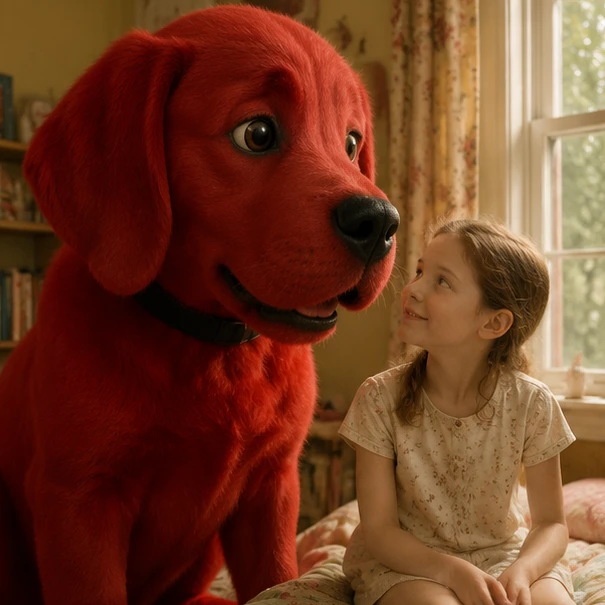
Clifford the Big Red Dog is an American children’s book series created by Norman Bridwell and first published by Scholastic in 1963. It follows Emily Elizabeth and her enormous red dog, Clifford, whose stories became a lasting part of children’s literature through books, adaptations, and themes of friendship and acceptance.
Clifford the Big Red Dog is an American children’s book series about an eight-year-old girl named Emily Elizabeth and her enormous red-furred dog. Created by author and illustrator Norman Bridwell, Clifford first appeared in a Scholastic picture book in 1963 and grew into one of the most recognizable characters in children’s publishing. This article explains Clifford’s origin story, key publication facts, major themes, adaptations, and cultural legacy, as well as the broader story of Clifford the Big Red Dog.
Clifford’s origin story and Norman Bridwell’s creation
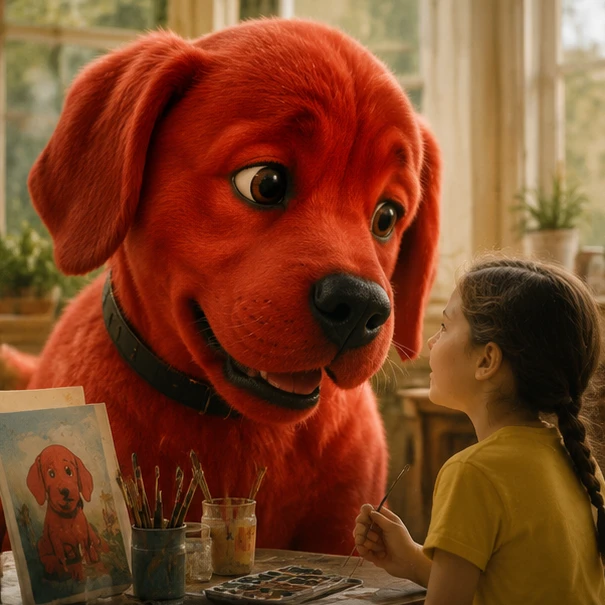
The concept of Clifford began with Norman Bridwell’s childhood imagination. Bridwell had always wanted a dog the size of a horse, and that idea influenced his creative work. In 1962, while working as a struggling commercial artist in New York City, Bridwell assembled a portfolio of illustrations in hopes of entering children’s publishing. One sketch showed a baby girl riding a gigantic, hound-like dog that he had temporarily named "Tiny."
When Bridwell showed the portfolio to Susan Hirschman, an editor at Harper & Row, she noticed the oversized dog illustration and suggested that it could become the foundation of a children’s story. Bridwell followed that suggestion by writing and illustrating a complete narrative about the unusual pet and his owner.
The final character details came from Bridwell’s personal connections. He named the girl Emily Elizabeth after his own daughter. The dog’s name, Clifford, was suggested by Bridwell’s wife, Norma, who remembered an imaginary friend from her childhood. Clifford’s famous red color was also a practical artistic choice: Bridwell used the red paint that happened to be available on his drawing table while creating the illustration.
Clifford creation timeline checkpoints
- Identify Norman Bridwell as the creator: Recognize Bridwell as the author and illustrator who transformed a childhood idea into the Clifford character.
- Check the inspiration point: A publishing editor’s response to a single illustration encouraged Bridwell to develop the idea into a full story.
- Track the early concept stage: The giant dog first appeared in portfolio artwork as "Tiny" before becoming Clifford the Big Red Dog.
- Separate documented facts from folklore: Clifford’s development is tied to Bridwell’s recorded publishing journey from illustration portfolio to finished book.
The first Clifford book and publishing history
The path to publication was challenging. Bridwell’s manuscript was rejected by approximately nine publishing houses before he submitted it to Scholastic. Scholastic accepted the project within three weeks, allowing the first Clifford the Big Red Dog book to be officially published in 1963.
The first book became the foundation for a long-running series and helped establish Clifford as the official corporate mascot of Scholastic Corporation. Its arrival also matched a period when picture books with stronger visual storytelling were becoming increasingly important in children’s reading experiences.
Table of Clifford publishing milestones
| Milestone | Year | Event | Significance |
|---|---|---|---|
| First Clifford book publication | 1963 | The first Clifford picture book was published by Scholastic. | Introduced the giant red dog character to children’s literature audiences. |
| Early sales performance | First year after publication (estimate) | The initial book achieved strong circulation, setting the foundation for a 91-book empire. | Shows the early commercial response to the character. |
| Scholastic partnership | Later series development period | Clifford books became deeply integrated with Scholastic publishing and book clubs. | Helped expand the character’s availability through children’s reading channels. |
How Clifford’s character evolved across the book series
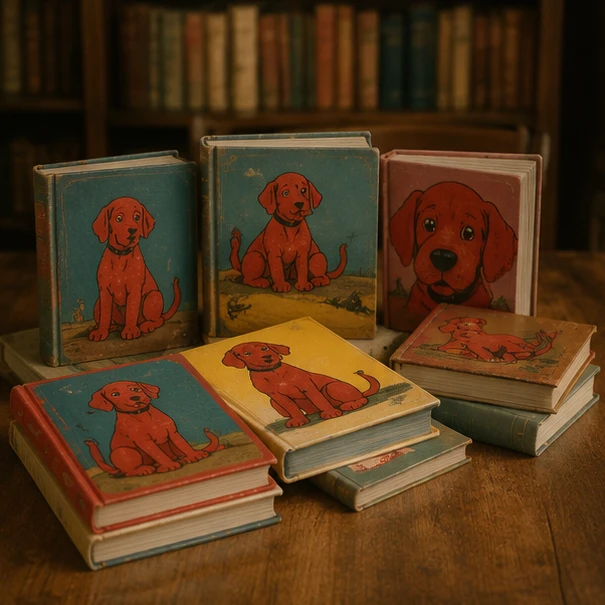
Following the 1963 debut, Norman Bridwell expanded Clifford’s world across 91 total books, including two published posthumously after his passing in 2014. The stories continued to center on Emily Elizabeth and Clifford’s relationship while introducing new settings and supporting characters.
Table of Clifford character development
| Character element | Original role | Later development |
|---|---|---|
| Clifford | A giant red dog at the center of the picture books. | Expanded into a broader franchise character appearing across multiple media formats. |
| Emily Elizabeth | Clifford’s owner and key relationship figure. | Remained an important connection point for stories about care and friendship. |
| Cleo and T-Bone | Companion characters introduced through later adaptations and expansions. | Added new friendship dynamics around Clifford’s neighborhood adventures. |
Early entries such as Clifford Gets a Job (1965) and Clifford Takes a Trip (1966) explored how a dog the size of a house interacted with human environments. Later additions, including Clifford, the Small Red Puppy (1972), explored his origin as the runt of the litter who grew dramatically because of Emily Elizabeth’s love and care.
Themes and lessons in the original Clifford stories
Norman Bridwell created Clifford stories to entertain children while also presenting clear moral lessons. Clifford often makes mistakes, creates accidental problems, and faces ordinary social challenges, allowing young readers to explore responsibility and empathy through a larger-than-life character.
The original stories emphasize loyalty, acceptance, friendship, and community responsibility. Clifford’s unusual size creates humorous situations, but those situations also teach lessons about recognizing mistakes, apologizing, helping others, and valuing relationships beyond physical differences. The bond between Emily Elizabeth and Clifford presents unconditional acceptance as a central idea throughout the character’s stories.
Representation and inclusion in the Clifford franchise
As the franchise expanded into modern television adaptations, it also reflected broader conversations about representation in children’s media. The 2019 PBS Kids and Amazon Prime television reboot included an episode featuring a character with two mothers, introducing an LGBTQ-related family representation element into the Clifford franchise.
This inclusion received public discussion and media attention because it represented a move toward showing more varied family structures in children’s programming. The original books primarily focused on friendship, loyalty, and belonging, while later adaptations incorporated contemporary social settings and diverse family experiences.
Clifford adaptations and cultural legacy
Over six decades, Clifford developed from a picture-book character into a multimedia franchise. The property includes over 134 million books in print translated into 20 languages, multiple television series including PBS Kids adaptations from 2000 and 2019, audio adaptations, digital applications, and a live-action feature film released in 2021.
Clifford literacy program case example
- Select a Clifford story: Choose an early picture book that matches a specific classroom literacy goal, such as sequencing plot events or analyzing character motivations.
- Examine text and illustrations: Use shared reading to explore how Bridwell’s illustrations support the written narrative.
- Facilitate thematic discussion: Discuss how Clifford handles mistakes and demonstrates kindness toward others.
Result: The activity connects a familiar character with early reading comprehension and character analysis skills.
Note: Classroom approaches vary according to grade level, curriculum standards, and school guidelines.
Clifford’s place in classic children’s literature
Clifford holds a lasting place in American children’s literature as a symbol of imagination, early literacy, and emotional connection. By combining an impossible-sized dog with relatable lessons about friendship and acceptance, Norman Bridwell created a character that has remained relevant across generations. Clifford’s presence in classrooms, publishing, and international media has made him a defining figure in twentieth- and twenty-first-century children’s culture.
FAQ
When was the first Clifford book published?
The first Clifford the Big Red Dog book was officially published in 1963 by Scholastic. The picture book introduced Norman Bridwell’s giant red dog character and Emily Elizabeth, creating the foundation for the long-running Clifford book series and its later adaptations.
Who wrote the Clifford the Big Red Dog children’s books?
Norman Bridwell wrote and illustrated the Clifford the Big Red Dog children’s books. He created the character from his idea of a dog the size of a horse and developed the stories around Clifford and his owner, Emily Elizabeth.
Where did Norman Bridwell get inspiration for Clifford?
Norman Bridwell’s inspiration for Clifford came from his childhood imagination and his wish for a dog the size of a horse. A portfolio illustration of a giant dog named "Tiny" caught an editor’s attention and encouraged him to develop the idea into a children’s story.
How many books are in the Clifford series?
The Clifford series expanded to 91 total books, including two published posthumously after Norman Bridwell’s passing in 2014. The stories continued to follow Clifford, Emily Elizabeth, and their adventures across different settings and situations.