
For many families, the dream of owning a dog is a cherished one, but it can be complicated by allergies. The good news is that you don’t have to give up on that dream. Certain dog breeds are known for producing fewer allergens, making them ideal companions for households with allergy sufferers. While no dog is truly 100% hypoallergenic, many breeds can significantly reduce allergic reactions, allowing you to enjoy the unique bond with a canine friend. This guide explores the best family dog breeds that don’t shed much, focusing on those that can bring joy without the sniffles.
Understanding “hypoallergenic” is key. It doesn’t mean a dog is completely allergen-free, but rather that they produce fewer of the proteins found in dander, saliva, and urine that typically trigger allergies. These breeds often have hair that grows continuously rather than shedding seasonally, and their coat types can trap dander more effectively.
Here, we delve into a variety of dog breeds renowned for their low-shedding qualities, perfect for family life. These breeds are not only good for allergy sufferers but also possess wonderful temperaments that make them excellent companions for children and adults alike. We’ll cover everything from their unique coat types and grooming needs to their personalities and suitability for different family dynamics.
Top Low-Shedding Dog Breeds for Families
When seeking a family dog that won’t aggravate allergies, focusing on breeds with specific coat types is crucial. Many of these breeds have hair that grows continuously, similar to human hair, rather than fur that sheds seasonally. This characteristic significantly reduces the amount of dander and loose hair that can spread throughout your home.
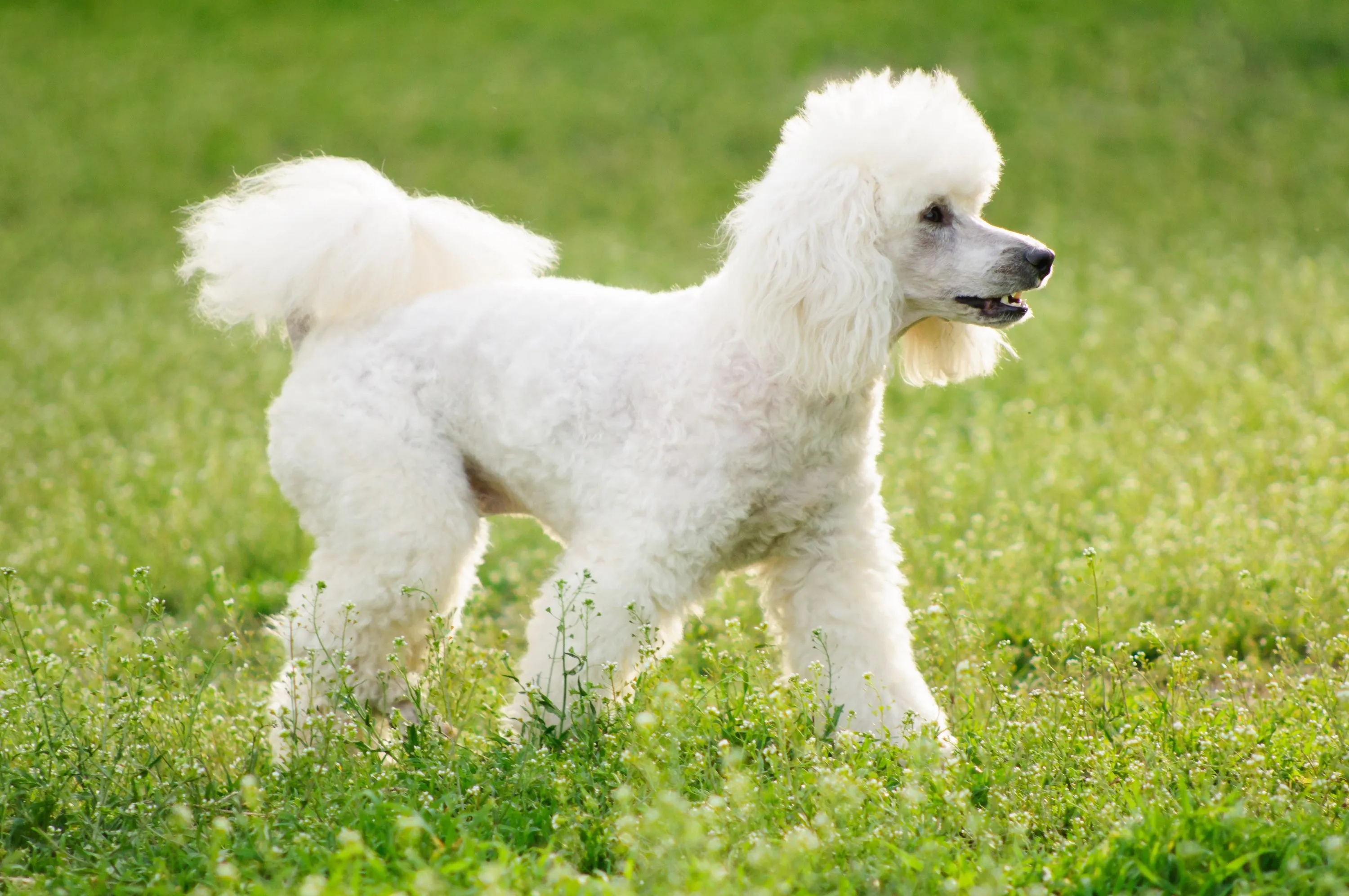
1. Poodle (Standard, Miniature, and Toy)
2. Yorkshire Terrier

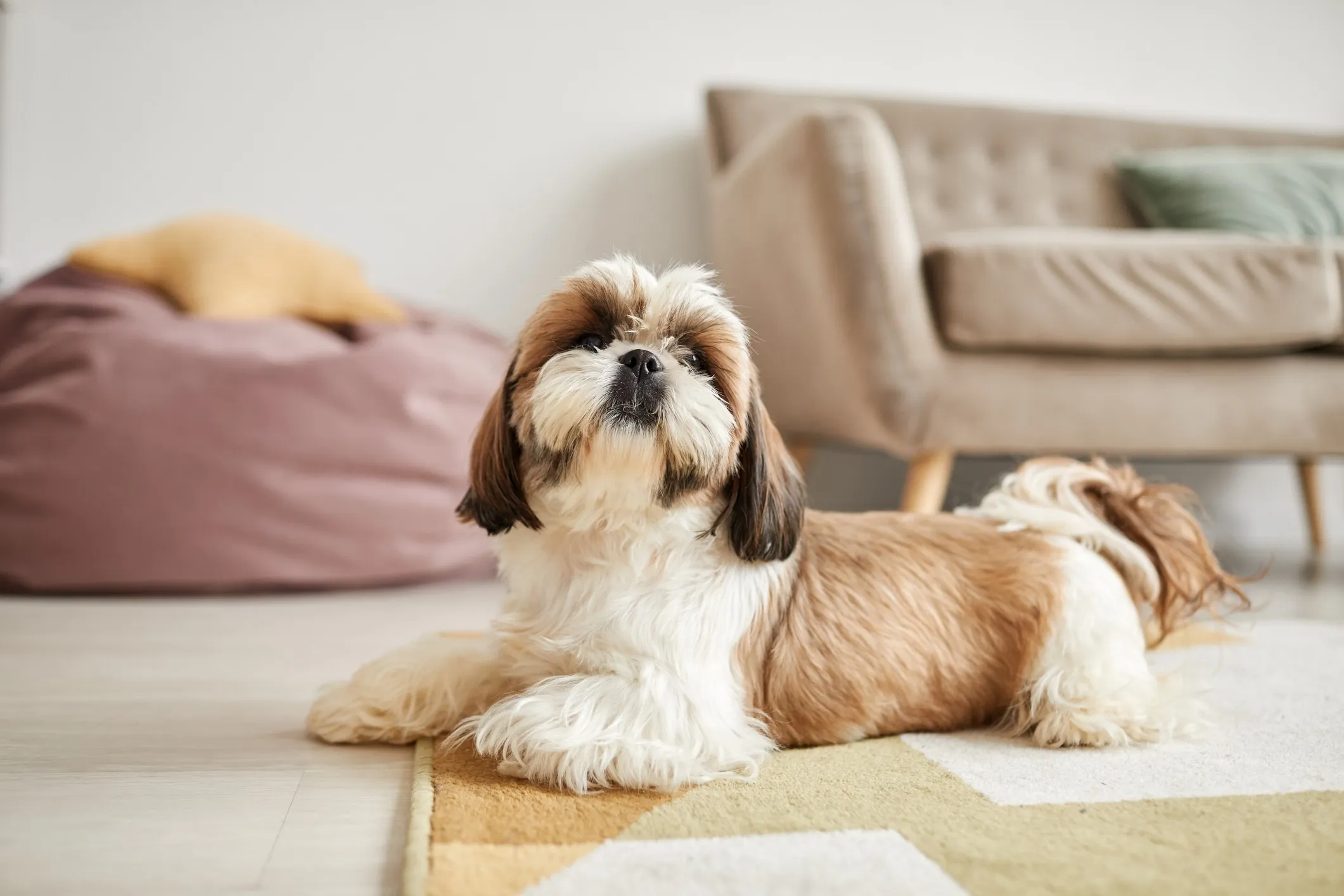
3. Shih Tzu
4. Miniature Schnauzer
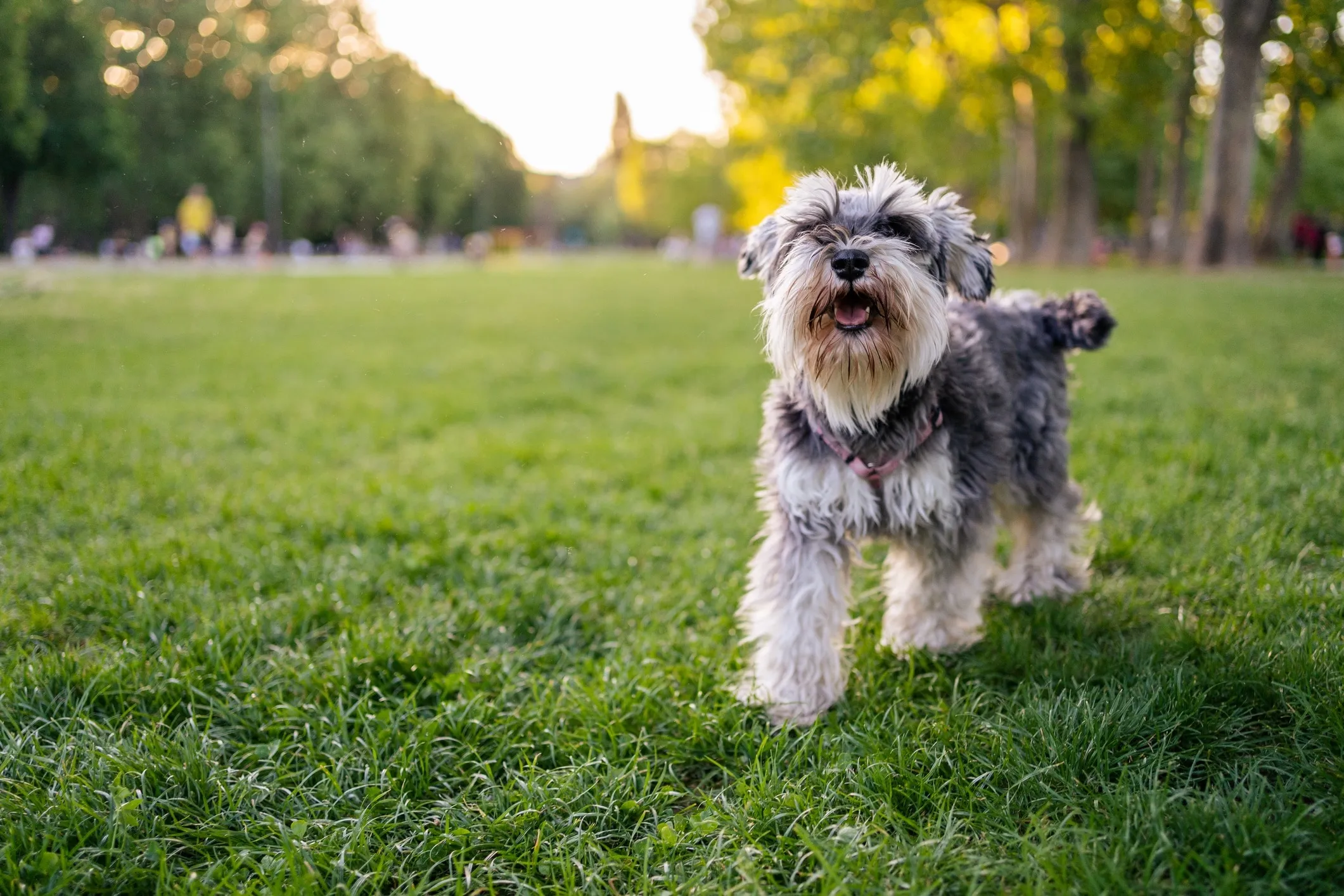 A salt and pepper Miniature Schnauzer wearing a pink harness walks in a park.The Miniature Schnauzer is a spirited and intelligent breed with a distinctive wiry coat that sheds minimally. They are a smaller version of the Standard Schnauzer, making them well-suited for various living environments. These dogs are alert, friendly, and can be quite playful. Regular grooming, including occasional hand-stripping or clipping, is necessary to maintain their coat’s texture and low-allergen quality. They require at least an hour of exercise daily to stay happy and healthy.
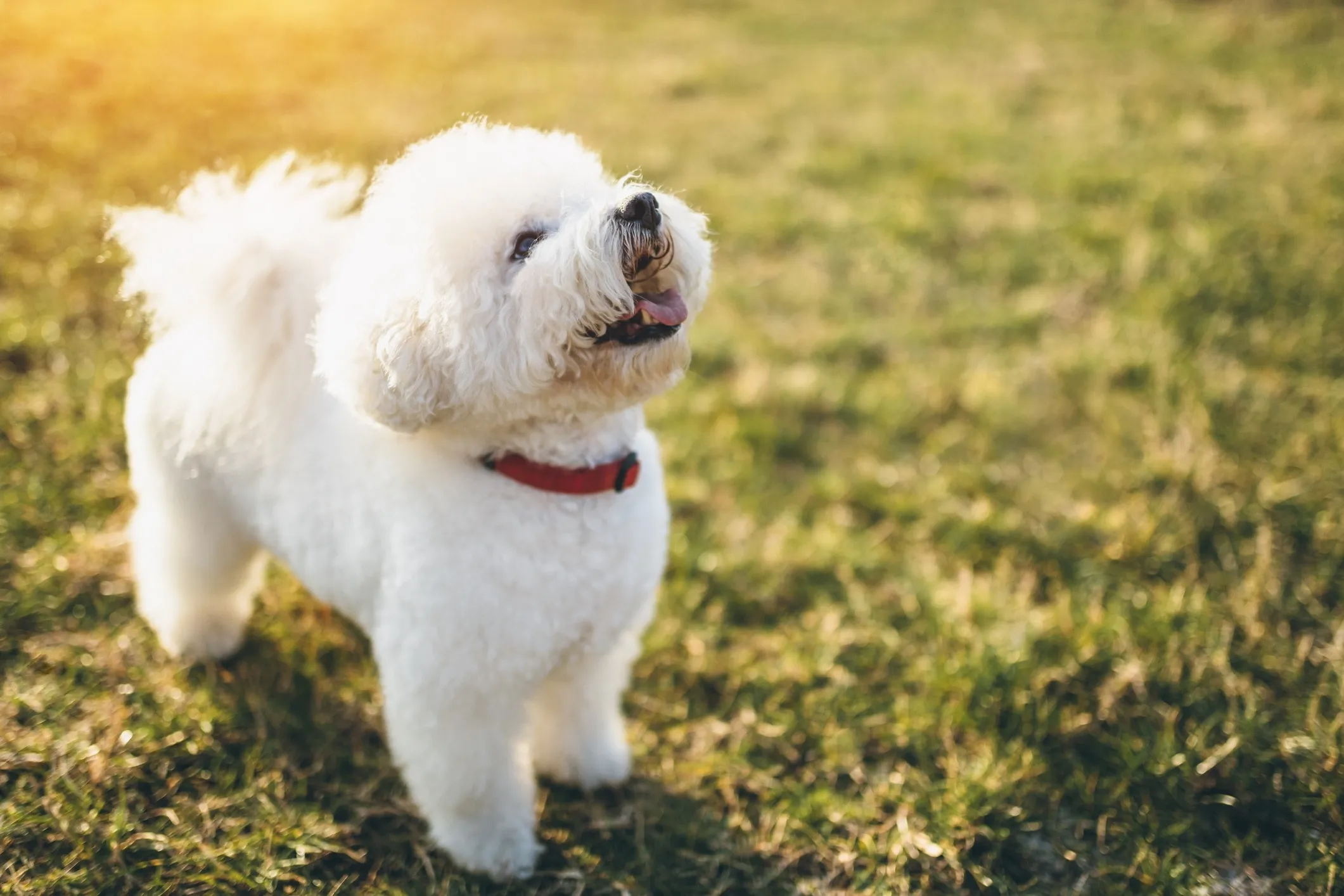
5. Bichon Frise
6. Portuguese Water Dog
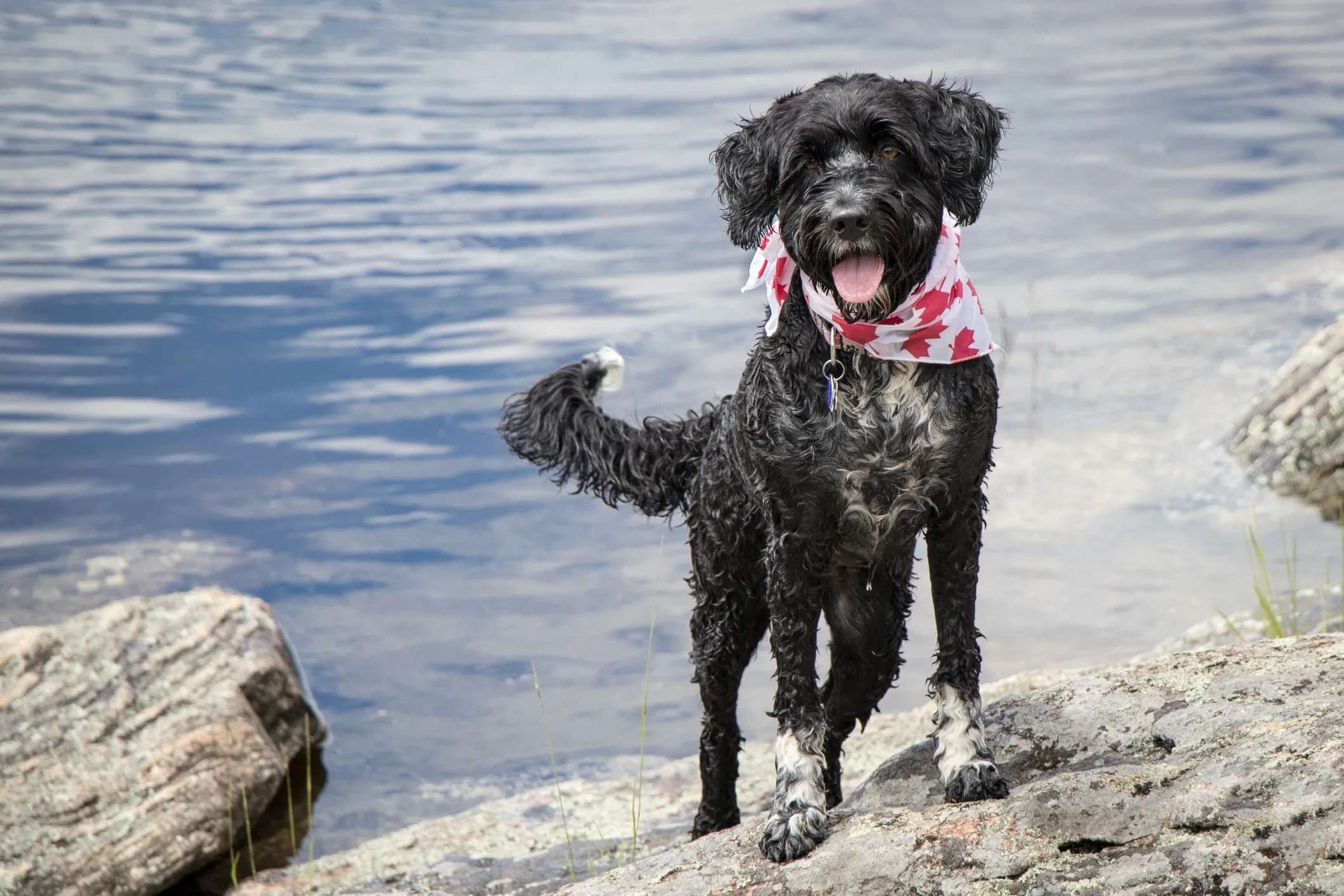 A black and white Portuguese Water Dog with a bandana stands near water.Originally bred to help fishermen, the Portuguese Water Dog is an energetic and intelligent breed with a curly or wavy coat that sheds minimally. These dogs are highly trainable and friendly, making them excellent family companions. Their love for water means they enjoy activities like swimming, and regular exercise is essential to manage their high energy levels. Owners should be prepared for regular grooming to maintain their coat’s condition.
7. Labradoodle
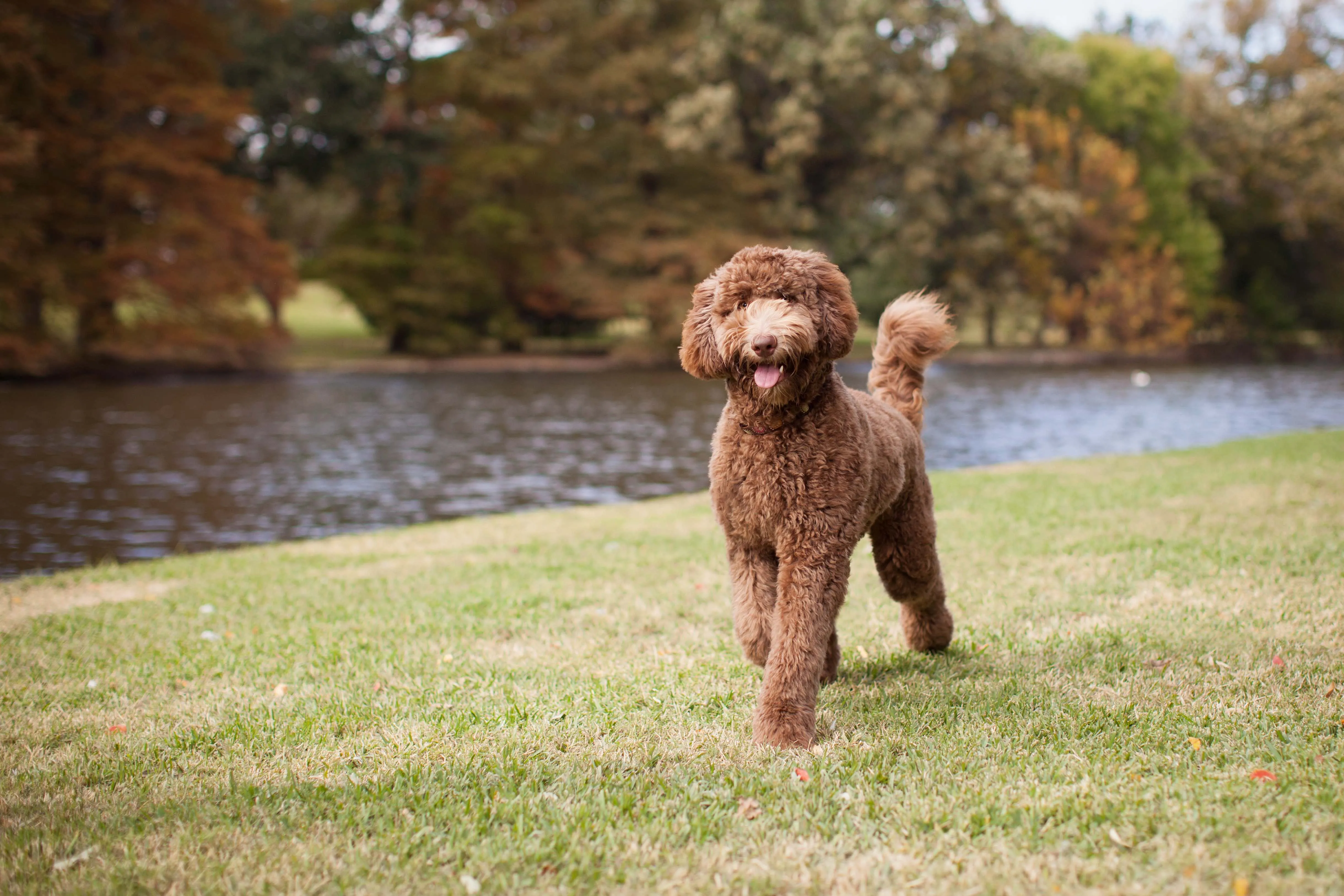
8. Goldendoodle
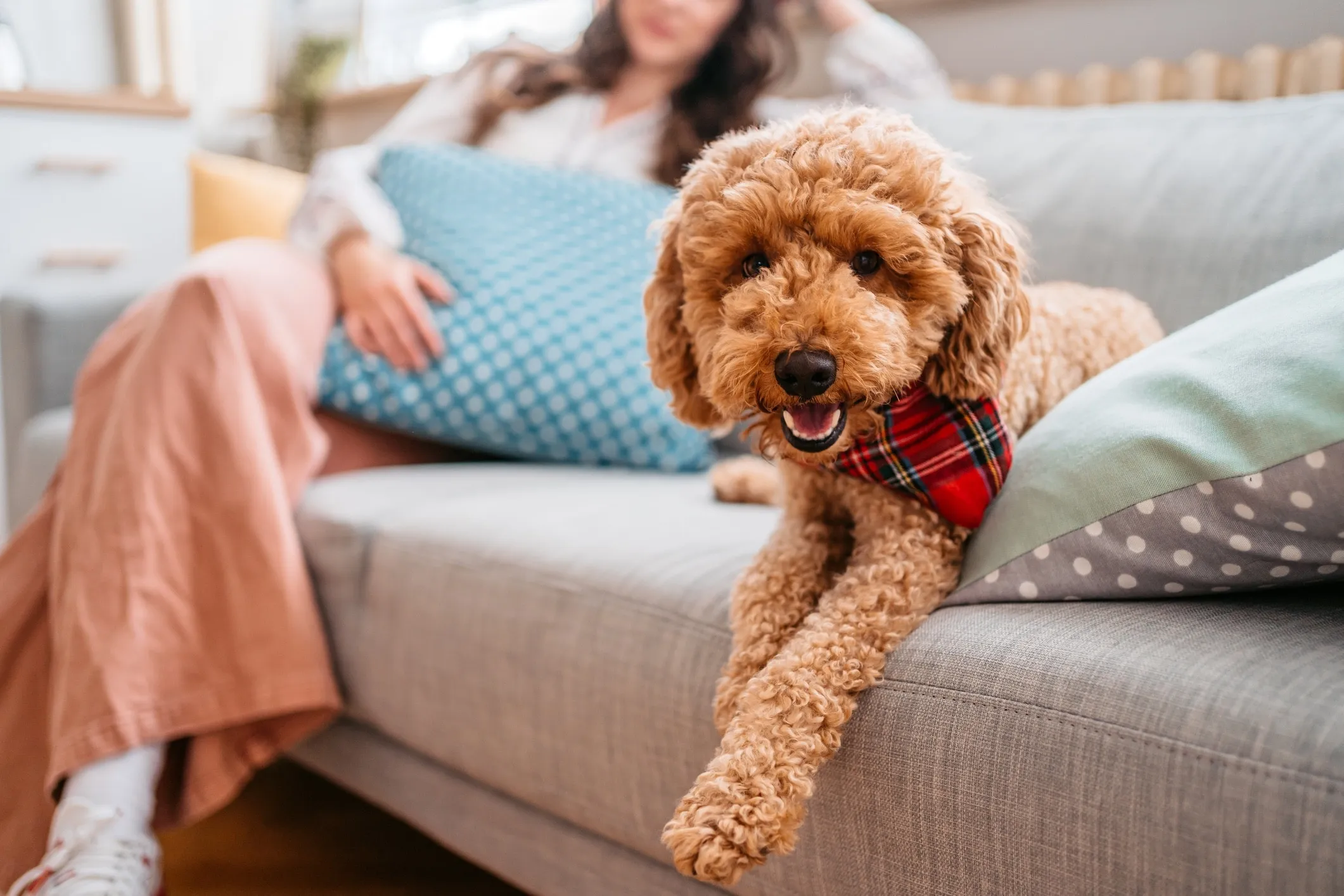 A Goldendoodle lies on a couch with a person in the background.Similar to the Labradoodle, the Goldendoodle is a cross between a Golden Retriever and a Poodle. These dogs are celebrated for their friendly demeanor, intelligence, and minimal shedding. They make wonderful family pets, possessing a gentle and affectionate nature. Their coats can vary in texture, from wavy to curly, but all are generally low-shedding. Frequent grooming with a slicker brush is recommended to prevent matting.
9. Aussiedoodle
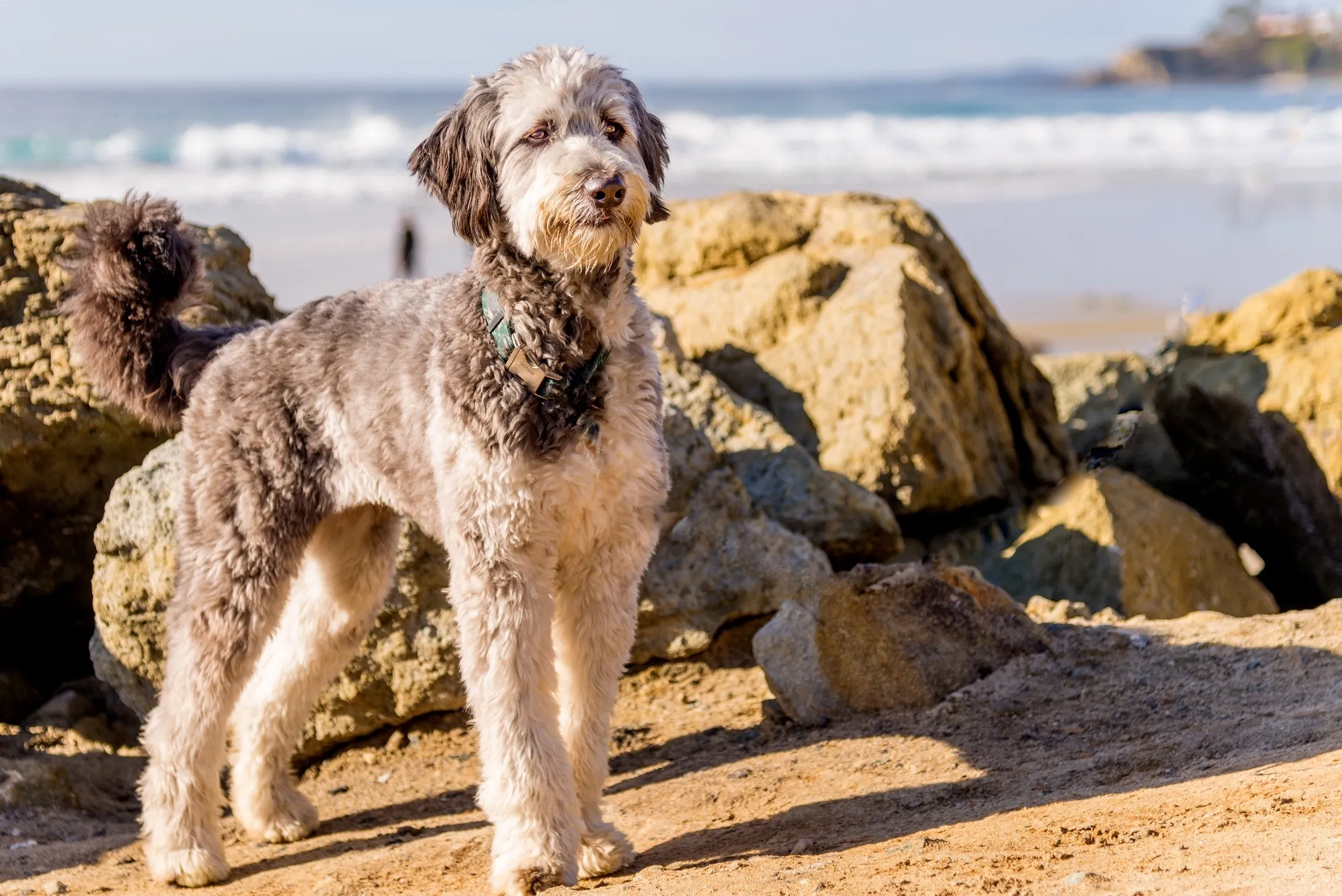
10. Bernedoodle
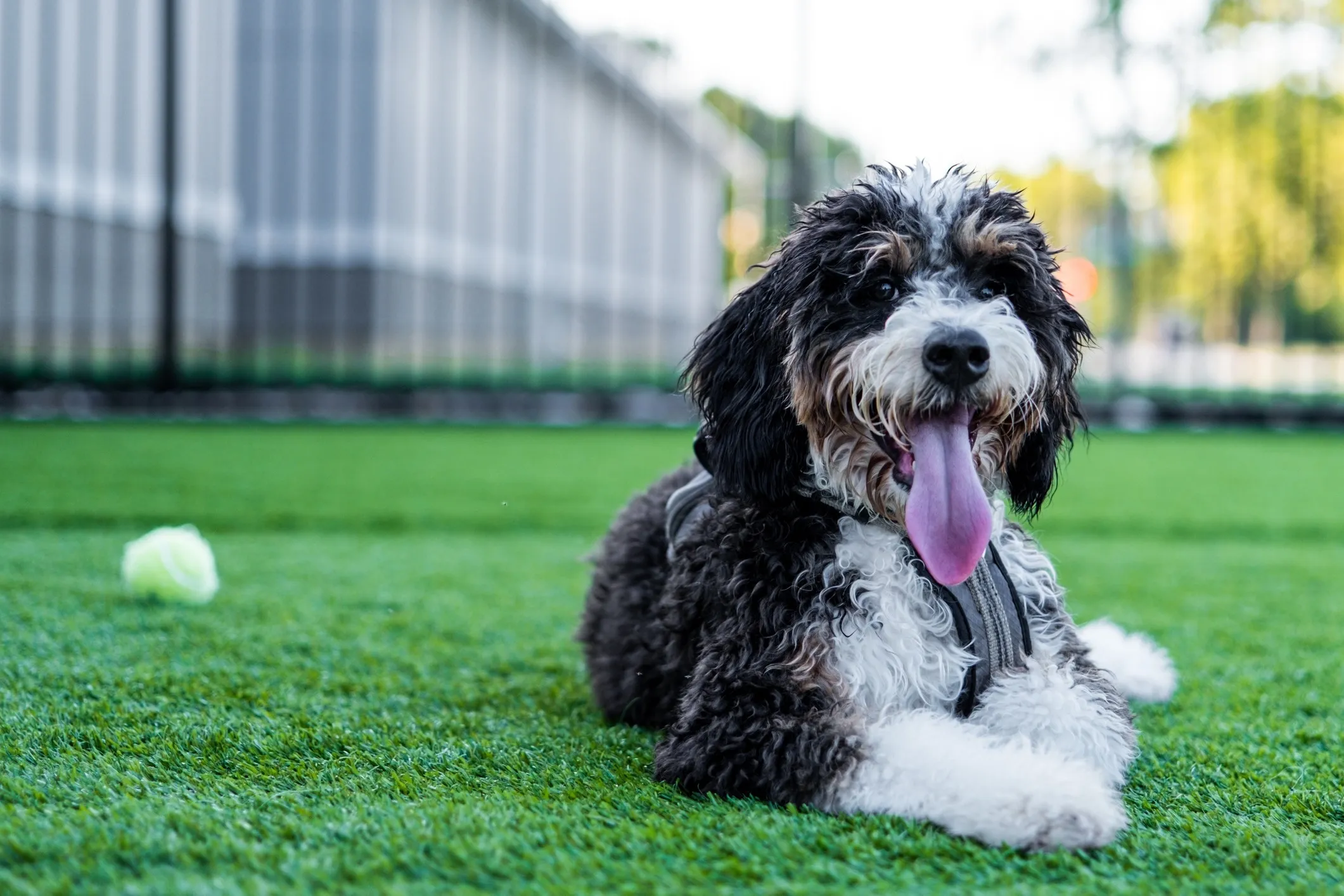 A large Bernedoodle lies in the grass with its tongue out.A cross between a Bernese Mountain Dog and a Poodle, the Bernedoodle is known for its friendly, affectionate, and gentle temperament. These large dogs are a popular hypoallergenic option for families, including those with children and other pets. They require significant exercise to stay happy and healthy, so an active lifestyle is a must for potential owners. Their low-shedding coat will require regular grooming.
Key Considerations for Living With a Low-Shedding Dog
Choosing a low-shedding dog is a significant step towards a more comfortable home for allergy sufferers. However, it’s important to understand that “hypoallergenic” doesn’t eliminate all potential allergens. Here are crucial tips for maximizing your success and minimizing allergic reactions:
Consistent Grooming is Essential
Despite their low-shedding nature, these breeds require diligent grooming. Their continuously growing hair needs regular brushing, often daily, to prevent matting and tangles. Professional grooming sessions may be necessary every few weeks for haircuts, de-shedding treatments, and overall coat maintenance. Using specialized shampoos designed to reduce dander can also be beneficial. For breeds like the Shih Tzu or Poodle, maintaining their coat is a significant commitment but is crucial for managing allergens.
Maintain a Clean Home Environment
Beyond your dog’s grooming routine, keeping your home clean is paramount. Regular vacuuming with a HEPA filter, dusting surfaces, and washing bedding frequently will help minimize airborne dander. Using air purifiers can also significantly improve air quality and reduce allergen levels in your living space. Ensuring good ventilation by opening windows when weather permits can also help circulate fresh air and reduce allergen buildup.
Consult Your Doctor for Allergy Management
Living with any dog, even a low-shedding one, requires proactive allergy management. It’s highly recommended to consult with a healthcare provider or allergist. They can provide personalized advice, discuss treatment options such as medication, nasal sprays, or allergy shots, and help you develop a comprehensive plan to manage your specific allergies. Understanding that allergens are present in saliva and urine as well as dander is important, and minimizing direct contact can help.
Bringing home a low-shedding dog can truly enhance the quality of life for individuals and families dealing with allergies. These wonderful breeds offer the joy of canine companionship without the constant worry of allergic reactions, allowing everyone to experience the fulfilling relationship with a family pet.
Resources:
- The Truth About “Hypoallergenic” Dogs
- Dog Grooming Basics
- Understanding Dog Allergies