
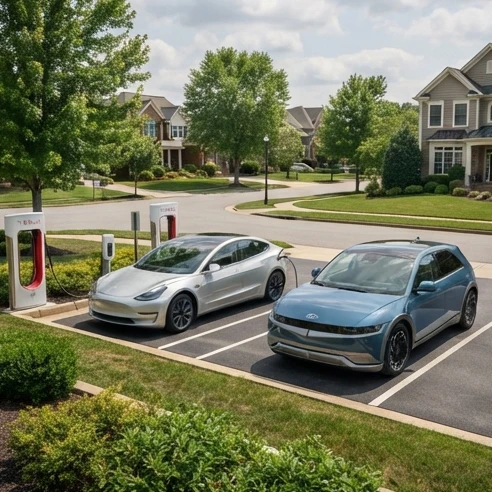
Buying electric cars can be confusing when model lists show different battery sizes, range ratings, charging speeds, and prices without explaining which option fits your daily life. This guide helps you compare EV models, understand charging choices, estimate ownership costs, and match an electric vehicle to your commute and budget.
Electric cars use a battery-powered electric motor instead of a petrol engine. The best choice depends less on having the biggest battery and more on matching range, charging access, and ownership needs to your routine.
What are electric cars and how do they work
Electric cars are vehicles powered mainly by electricity stored in a lithium-ion battery. Unlike traditional vehicles that burn fuel, battery electric vehicles (BEVs) send electrical energy to an electric motor, which turns the wheels directly.
A plug-in hybrid combines an electric motor with a fuel engine, but a fully electric car relies only on its battery system. For buyers comparing EV cars, this distinction matters because charging access becomes a daily requirement rather than an occasional convenience.
The lithium-ion battery stores energy measured in kilowatt-hours (kWh). A larger battery capacity generally allows longer driving range, but it can also increase vehicle weight and purchase cost.
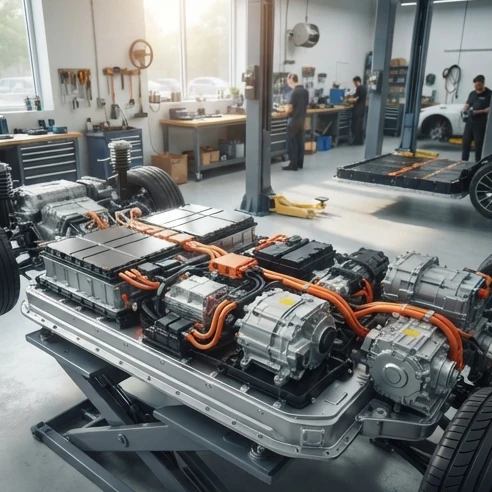
Regenerative braking is another important EV feature. Instead of losing all braking energy as heat, the system recovers part of that energy and sends it back to the battery.
Best electric cars for everyday driving in 2026
The best electric car depends on your priorities: affordable commuting, long-distance travel, city parking, luxury performance, or maximum range.
Range figures should always be compared using the same testing standard. WLTP and CLTC ratings are laboratory measurements, so actual highway driving, weather, temperature, and driving style can change real-world results.
Table
| Model | Starting Price | WLTP Range | Battery Capacity | Best For |
|---|---|---|---|---|
| Kia EV3 Long Range | $35,000 | 375 miles | 81.4 kWh | Value and compact city driving |
| Tesla Model S Long Range | $74,990 | 405 miles | 100 kWh | Long-distance highway commuting |
| Lucid Air Grand Touring | $110,000 | 960 km | 112 kWh | Maximum WLTP range |
Long-range electric cars for highway commuters
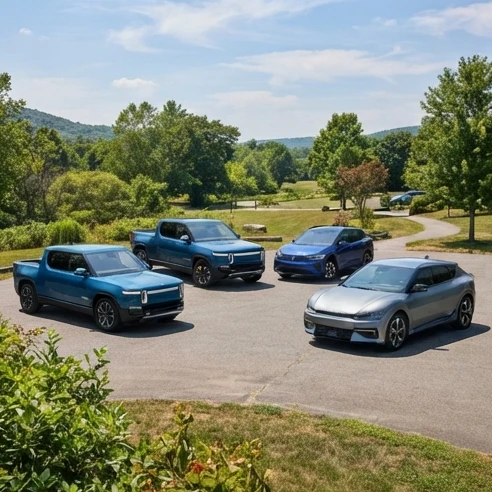
Drivers covering frequent highway distances should prioritize battery capacity and efficient energy use. A larger battery provides more flexibility when charging stations are less available, but it also increases upfront cost.
Models such as the Tesla Model S Long Range and Lucid Air Grand Touring focus on extended driving range. Lucid Air Grand Touring is listed with a 960 km WLTP range figure, while Tesla Model S Long Range is shown with a 405-mile range rating.
A long-range EV is most useful when the driver regularly travels beyond the comfortable daily charging cycle. For occasional road trips, paying for the largest battery may provide less value than choosing a moderately sized battery and reliable charging access.
Compact EVs for city and apartment dwellers
Urban drivers often need a different approach. A smaller electric car with a moderate battery can be practical when daily distances are short and parking space is limited.
Compact models such as Kia EV3 Long Range, Hyundai Kona Electric, BYD Dolphin, and Smart #1 target buyers who need efficiency and easier city maneuverability.
For apartment residents without private parking, charging access may matter more than maximum range. A smaller battery paired with predictable public charging can work well if charging locations fit your weekly routine.
EV charging options explained for buyers
Charging infrastructure is one of the biggest differences between owning an EV and a petrol vehicle. Buyers should evaluate where the car will be parked most nights and whether charging is available there.
Home wallbox installation feasibility
Home charging is usually the most convenient option because the vehicle can recharge while parked. A wallbox charger requires suitable electrical capacity and may need approval from building management in shared parking areas.
A practical home charging checklist includes:
- Verify that the electrical panel can support a dedicated charging circuit.
- Confirm apartment or homeowner approval before installing equipment in shared spaces.
- Hire a qualified electrician to complete installation and required permits.
- Check available incentives that may reduce installation expenses.
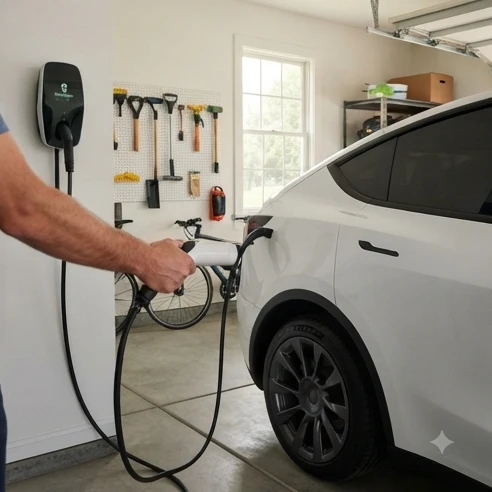
Home charging works best for owners with a driveway, garage, or assigned parking space.
Public charging networks and access
Public charging gives EV owners flexibility when home charging is unavailable. Level 2 chargers are designed for longer parking periods, while DC fast chargers are intended for faster energy replenishment during longer trips.
Public charging costs vary by provider, location, and pricing structure. Drivers should compare charging station availability, payment methods, reliability, and distance from regular routes.
A vehicle with excellent range but poor charging access may be less practical than a shorter-range EV with convenient charging nearby.
Total cost of ownership home vs public charging
The cost of owning an electric car includes more than the purchase price. Buyers should consider electricity costs, maintenance, charging equipment, insurance, depreciation, and financing.
Home charging is usually the lowest-cost option because residential electricity rates are often lower than commercial fast-charging prices.
Table
| Charging Method | Cost per kWh | Cost per Mile | Annual Cost (13,500 mi) | 3-Year Total |
|---|---|---|---|---|
| Home AC Charging | $0.15 | $0.05 | $675 | $2,025 |
| Public Level 2 | $0.30 | $0.10 | $1,350 | $4,050 |
| Public DC Fast Charging | $0.45 | $0.15 | $2,025 | $6,075 |
These figures are estimates based on the comparison model provided and actual costs depend on local electricity prices, charging fees, and driving efficiency.
Electric vehicles typically have fewer mechanical components than petrol vehicles because they do not require many engine-related systems. However, battery health, tires, software updates, and other vehicle systems still require attention.
How to match EV range and charging to your commute
Choosing an EV starts with your daily routine, not the vehicle specification sheet. A buyer driving 30 km per day has different needs from someone traveling long highway distances every week.
The safest approach is to calculate daily energy needs, add a buffer for weather and battery aging, and then choose a battery size that fits your charging situation.
Table
| Daily Commute | Parking Situation | Min Battery Size | Recommended Range | Charging Strategy |
|---|---|---|---|---|
| <40 km/day | Urban apartment/street | <50 kWh | 200-300 km | Weekly public Level 2 top-up |
| 40-100 km/day | Suburban home/garage | 50-70 kWh | 350-450 km | Daily overnight home AC wallbox |
| >100 km/day | Dedicated driveway | >70 kWh | 500+ km | Overnight AC plus occasional DC fast charging |
Commute distance and battery size matching
For short urban commutes, a smaller battery can reduce purchase cost while still providing enough range.
For medium-distance commuters, a 50-70 kWh battery often provides a balance between range flexibility and vehicle price.
Long-distance drivers should prioritize higher battery capacity and efficient vehicles because frequent charging stops can affect convenience.
A worked example:
Situation: A driver travels 35 km daily, parks on the street, and has access to public AC charging once a week.
- Calculate estimated daily energy use using 15 kWh per 100 km: 35 km × 0.15 = 5.25 kWh per day.
- Add a 20% buffer: 5.25 kWh × 1.2 = 6.3 kWh daily reserve.
- Select a compact EV with a battery below 50 kWh that provides enough range for several commuting days.
This approach avoids paying for unused battery capacity.
Charging access decision tree
Your parking situation often determines whether an EV is practical.
If you have overnight home charging, a smaller battery may be enough because daily charging is simple.
If you depend only on public chargers, prioritize longer range and charging locations that fit your schedule.
If workplace charging is available, it can significantly change the calculation because it reduces dependence on home or public charging.
Government incentives and tax policies affecting EV prices
Vehicle incentives can influence EV prices, but buyers should check current rules before calculating final costs. Tax concessions and replacement programs can change over time and should not be treated as permanent discounts.
Market conditions after incentive changes may affect the final purchase price of models such as Tesla Model 3 and BYD ATTO 3.
Published market information lists Tesla Model 3 Highland upgraded versions with prices of $356,826 and $390,306 under the referenced pricing structure. BYD ATTO 3 Superior is listed with a 65 kWh battery capacity and a 480 km NEDC range figure under the referenced market system.
The practical buying rule is simple: compare the actual transaction price after current incentives, taxes, and registration costs rather than relying on older best ev 2022 pricing examples.
Environmental impact and battery lifespan
Electric vehicles can reduce direct exhaust emissions because they do not produce tailpipe emissions during operation. However, environmental impact depends on electricity generation, battery production, and vehicle lifespan.
Battery lifespan depends on usage patterns, charging habits, climate, and battery management systems. Most EV batteries are designed with protection systems that manage charging and temperature conditions.
From an editorial review of electric mobility content, the recurring decision point is that battery size should match usage rather than simply maximizing capacity. A larger battery is not automatically the most sustainable choice if it adds cost and weight without providing useful range.
Battery recycling and second-life applications are developing areas that may extend the useful life of EV battery materials.
Choose your next EV by exploring our comprehensive list of electric cars by writing down your daily distance, parking situation, and available charging locations today, then compare those details against the battery and range table above to identify models that fit your actual routine rather than only their advertised specifications.
FAQ
What are the key benefits of owning an electric vehicle?
Electric vehicles offer benefits such as zero tailpipe emissions during operation, fewer mechanical components than petrol vehicles, and flexible charging options. They can also provide a quieter driving experience and lower running costs depending on electricity prices, charging habits, maintenance needs, and local conditions.
Which electric cars offer the longest driving range in 2026?
Long-range electric cars include models such as the Tesla Model S Long Range and Lucid Air Grand Touring. The Lucid Air Grand Touring is listed with a 960 km WLTP range figure, while the Tesla Model S Long Range is shown with a 405-mile range rating.
How much does it cost to install a home EV charger?
The cost of installing a home EV charger depends on electrical capacity, installation requirements, permits, and available incentives. Before installation, check whether the electrical panel can support a dedicated charging circuit and whether approval is needed for shared parking areas.
Can I charge an electric car with a regular household outlet?
Charging options depend on the available electrical setup and vehicle requirements. Home charging is usually most convenient when a suitable charging system is installed, while wallbox chargers require appropriate electrical capacity and may need professional installation.
How long does it take to fully charge an EV at home?
Home charging time depends on the battery size, charger type, and electrical supply. Overnight AC charging is a common approach for owners with a driveway, garage, or assigned parking space because the vehicle can recharge while parked.
Do electric cars require less maintenance than petrol cars?
Electric vehicles typically have fewer mechanical components because they do not require many engine-related systems. However, owners still need to monitor battery health, tires, software updates, and other vehicle systems over time.
What happens to EV batteries at the end of their life?
EV batteries can be affected by usage patterns, charging habits, climate, and battery management systems. Battery recycling and second-life applications are developing areas that may extend the useful life of battery materials.
Are electric cars worth it for short daily commutes?
Electric cars can be practical for short daily commutes when the battery size, parking situation, and charging access match the driver’s routine. A smaller battery may reduce purchase cost while still providing enough range for regular urban driving.