
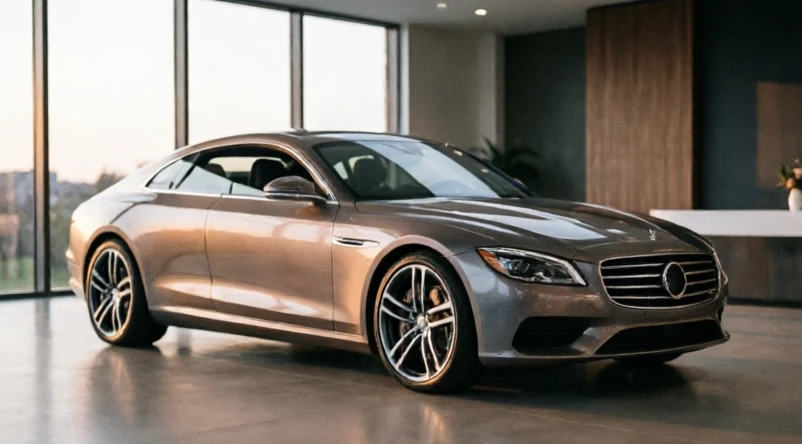
Indian brand luxury cars are linked to Indian-owned companies or groups with genuine luxury-market involvement. Tata Motors is the clearest example through its ownership of Jaguar Land Rover, while Mahindra develops premium SUVs and electric vehicles. Foreign luxury cars assembled in India remain foreign brands because manufacturing location does not determine brand nationality.
The term Indian brand luxury cars refers to Indian-origin automotive companies or ownership groups that have a meaningful connection to the luxury or premium vehicle market. It does not refer to every luxury car sold in India or every premium vehicle manufactured at an Indian facility.
Indian luxury car brands are limited compared with global luxury markets, but Indian companies participate in the segment through different paths. Tata Motors is the strongest example through its ownership of Jaguar Land Rover, while Mahindra represents Indian-developed premium positioning through high-end SUVs, advanced platforms, and electric vehicle initiatives.
Indian brand luxury cars: what qualifies and what does not
An Indian luxury car brand is defined by more than vehicle assembly location. The classification depends on three separate factors: ownership origin, premium-market positioning, and brand identity.
The key distinction is simple: an Indian company can own a global luxury brand without every vehicle becoming an Indian luxury car, and a foreign luxury brand can manufacture vehicles in India without becoming an Indian brand.
A practical definition uses three checks:
- Ownership origin: The parent company behind the luxury brand should be Indian-owned or controlled.
- Premium positioning: The vehicles should target higher-end segments with luxury features, advanced technology, or premium-market positioning.
- Brand identity: The luxury reputation should come from the brand itself, not only from a local production facility.
When these checks are applied, the Indian luxury automotive landscape becomes narrower but clearer. The relevant companies are those with genuine ownership, development, or premium-segment connections rather than every premium vehicle available in India.
Indian automotive companies connected to luxury vehicles
The Indian companies relevant to the luxury automotive segment follow different strategies. Some participate through global luxury ownership, while others build premium vehicles and technologies that move toward higher market segments.
| Company | Luxury connection | Vehicle focus | Global relevance |
|---|---|---|---|
| Tata Motors | Owns Jaguar Land Rover (JLR) | Luxury SUVs, premium sedans | Global footprint across UK, Europe, North America, and emerging markets |
| Mahindra & Mahindra | Develops premium SUVs and electric vehicle initiatives | High-end SUVs, EV concepts | Primarily domestic market with growing international technology partnerships |
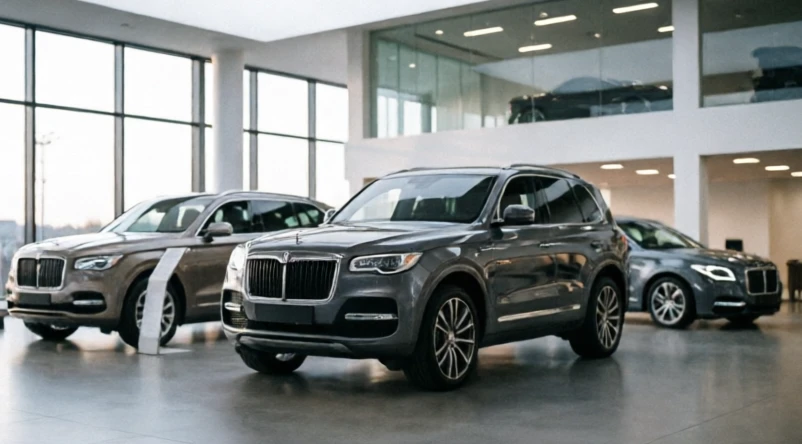
Tata Motors and its global luxury portfolio
Tata Motors is the strongest connection between an Indian automotive company and the global luxury vehicle market. Its ownership of Jaguar Land Rover gives an Indian corporate group control over two established luxury marques with international recognition.
Jaguar Land Rover operates as a separate luxury automotive business, producing vehicles in categories such as premium SUVs and performance-oriented luxury models. The connection to India comes from ownership rather than the original history, design identity, or market positioning of those brands.
A common classification mistake is treating a parent company and its individual brands as the same identity. A vehicle carrying a Jaguar or Land Rover badge remains a Jaguar or Land Rover product, even though the ownership group is Indian.
Tata Motors demonstrates that Indian companies can participate in the global luxury market through ownership of international premium brands without creating a separate Indian luxury badge.
Mahindra and the premium automotive segment
Mahindra represents a different path. Instead of owning a traditional luxury marque, the company has focused on premium SUVs, advanced vehicle platforms, and electric mobility development.
Its premium relevance comes mainly from vehicle capability and market positioning. Mahindra vehicles are associated with SUVs, including models aimed at customers seeking higher features, larger dimensions, and more advanced technology than entry-level vehicles.
Electric vehicles create another opportunity for Indian manufacturers to move upward in the market. Premium EV positioning depends on factors such as battery technology, software features, interior quality, and global market acceptance rather than only vehicle size.
How to identify a true Indian luxury car brand
Determining whether a company qualifies as an Indian luxury automotive player requires more than checking whether a vehicle appears premium. Ownership, customer positioning, and international relevance provide a more reliable evaluation framework.
| Evaluation factor | Indian luxury indicator | Why it matters |
|---|---|---|
| Ownership Origin | The parent company is headquartered and owned in India | Determines corporate nationality and financial jurisdiction |
| Premium-Market Positioning | Vehicles are marketed specifically in high-end pricing tiers with luxury features | Separates volume manufacturing from executive/luxury aspiration |
| Type of Vehicles Offered | Features advanced engineering, bespoke finishes, and premium performance specifications | Validates true luxury segment competition |
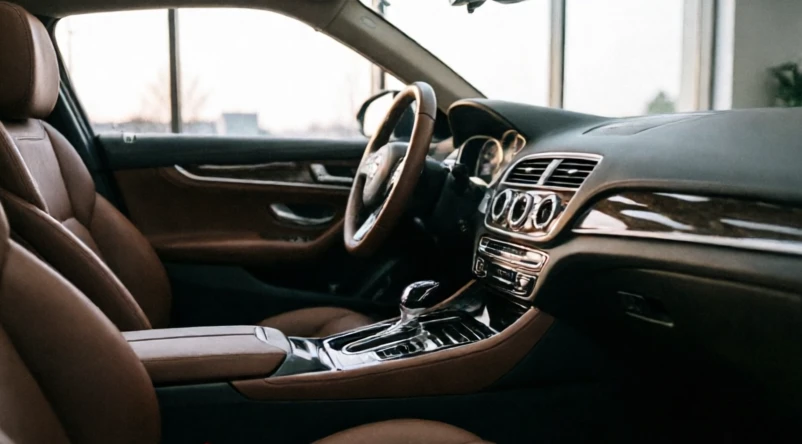
A practical decision framework for evaluating the best Indian luxury car brand is:
- Verify the ultimate parent company ownership and headquarters location.
- Identify whether the company controls a recognized luxury brand or develops premium vehicles with luxury-market ambitions.
- Examine whether the vehicle lineup competes through premium design, technology, exclusivity, or customer experience.
- Separate Indian ownership from manufacturing location before assigning brand nationality.
Using this framework, Tata Motors has the strongest connection to global luxury ownership through Jaguar Land Rover. Mahindra represents a different category based on Indian-developed premium SUVs, electric vehicles, and future mobility platforms.
Luxury cars made in India versus Indian luxury brands
A common misunderstanding is assuming that a luxury vehicle built in India is automatically an Indian luxury car. Manufacturing location and brand nationality answer different questions.
A foreign luxury company may assemble vehicles in India to serve local demand, reduce import complexity, or strengthen regional manufacturing. The brand remains connected to its original ownership group.
Consider this example:
Situation: A European luxury vehicle is assembled at an Indian manufacturing facility.
Steps:
- Identify the production location: The vehicle is physically assembled in India.
- Check brand ownership: The parent company, design headquarters, and brand identity remain based outside India.
- Apply the classification rule: The vehicle is a foreign luxury model manufactured in India, not an Indian luxury marque.
Result: The car can be considered a luxury vehicle made in India, but it does not become an Indian luxury brand.
Note: Production location explains where a vehicle is built. Ownership explains which automotive group controls the brand.
This distinction is especially important when researching high-end cars made in India. A locally produced premium vehicle may contribute to India’s automotive industry without representing an Indian-owned luxury brand.
Indian premium vehicle manufacturers and future opportunities
The future of Indian luxury automotive is likely to develop through premium SUVs, electric vehicles, and global vehicle platforms rather than through a large number of traditional luxury marques.
In automotive market analysis, the important distinction is between premium growth and luxury branding. A manufacturer can improve vehicle quality, technology, and export capability without immediately becoming a luxury brand.
Indian premium vehicle manufacturers face several challenges:
- Building international brand recognition against established luxury companies.
- Creating consistent premium ownership experiences beyond vehicle specifications.
- Developing advanced electric vehicles that compete in higher market segments.
Tata Motors and Mahindra show two different strategies. Tata’s connection is based on global luxury ownership through Jaguar Land Rover, while Mahindra’s opportunity comes from premium SUVs, electric vehicles, and vehicle manufacturing capabilities.
Future luxury car models from Indian manufacturers will need more than premium materials or larger engines. Buyers in this segment typically evaluate design identity, technology integration, after-sales support, exclusivity, and global credibility.
The most reliable way to evaluate an Indian automotive brand is to check its ownership structure before reviewing its vehicle list. This reveals whether the company represents an Indian luxury brand, an Indian premium manufacturer, or a foreign luxury company producing vehicles locally.
FAQ
Which Indian company makes luxury cars?
Tata Motors has the strongest connection to luxury cars through its ownership of Jaguar Land Rover, which includes the Jaguar and Land Rover marques. Mahindra also participates in the premium segment through high-end SUVs, advanced vehicle platforms, and electric vehicle initiatives, although it does not own a traditional luxury marque.
Which Indian company owns luxury car brands?
Tata Motors owns Jaguar Land Rover, giving an Indian corporate group control over the established luxury marques Jaguar and Land Rover. These brands retain their own identities, histories, and market positioning, so their vehicles remain Jaguar or Land Rover products rather than becoming vehicles under a separate Indian luxury badge.
What luxury cars are made in India?
Luxury cars made in India can include vehicles from foreign luxury brands assembled at Indian facilities. However, a vehicle’s production location does not make it an Indian luxury car. To classify a brand as Indian, examine the ownership group, brand identity, and premium-market positioning separately from where the vehicle is manufactured.
Are luxury cars manufactured in India considered Indian luxury cars?
Not necessarily. A foreign luxury brand may manufacture or assemble vehicles in India while retaining its original ownership, design identity, and international brand position. Such a vehicle is a luxury car made in India, but it is not an Indian luxury marque unless the brand itself is Indian-owned and connected to Indian premium-market identity.